

Create A More Owl-Friendly Garden With A Simple Lighting Tip
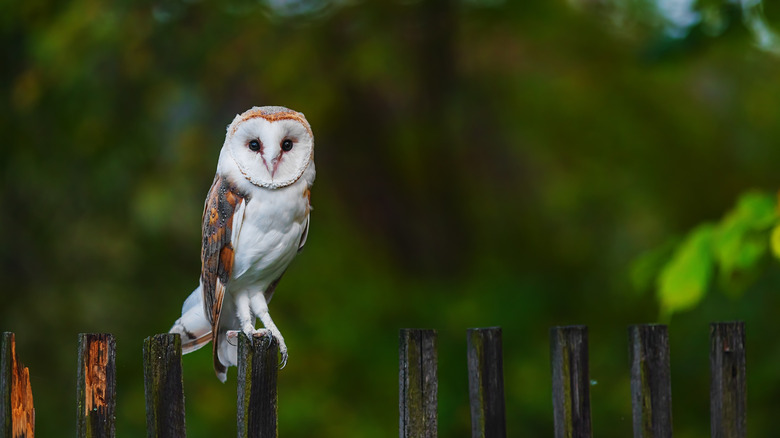
Do you ever hear the quiet hoot of an owl calling late in the evening and wish you could encourage that magnificent bird to visit your yard more often? Many people spend a lot of time and money setting up feeders and houses for songbirds while unintentionally making their space unwelcoming to nocturnal birds like owls. The difference between a bustling night garden and a dark, empty one comes down to a small detail: The way you light your outdoor space. Owls rely on darkness to maintain the stealth they need to successfully hunt small animals and insects. A floodlight or even a bright porch light can look like a flashing "no vacancy" sign to owls, making them look elsewhere for a comfortable spot.
Fortunately, following some birdscaping tips to turn your garden into a bird haven for both day and night visitors often involves small changes. The simple lighting tip doesn't require you to turn off all your lights, which might feel unsafe, but just involves modifying the fixtures you already have. By making small adjustments to the color and direction of the bulbs, you can change your yard from a brightly lit area into a natural hunting ground where an owl can glide through the shadows. This improves the appeal of your property for owls while still providing enough light for human use.
Why you should only use warm-toned and downward-facing lights
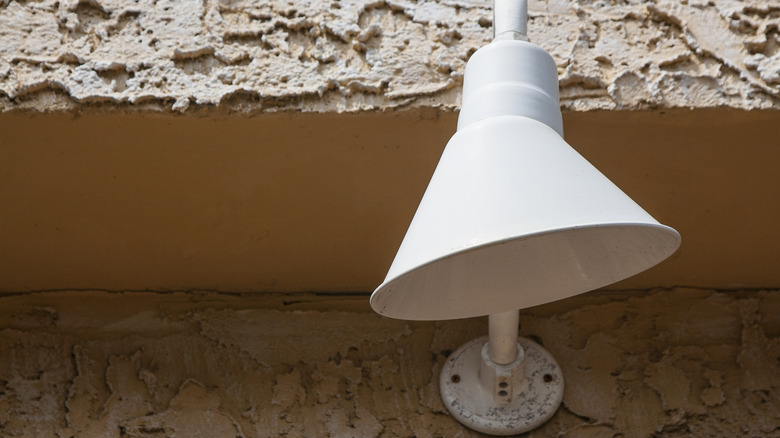
Choosing the right bulb for your garden lighting matters more than the actual lighting fixture. The temperature of the light is important, which is measured in Kelvin (K). Lights that give off cool, white, or blue hues, usually those above 3000K, imitate daylight, which will make your yard uninviting for owls. Blue light wavelengths also attract insects, which cause them to swarm near the light source, and will be unattractive to owls. Avoiding this type of lighting is the best way to avoid a common lighting mistake that's ruining your garden for nighttime visitors. To encourage owls to come to your yard, change all exterior bulbs to warm-toned colors, ideally those between 2100K and 2200K, which have a yellow or amber glow. This longer wavelength is known to decrease disruptions to the sleep cycles of nocturnal animals.
Directing the light is the second part of the strategy. Typical lighting fixtures often shine light upwards or sideways, which brightens areas like tree branches where owls rest or prepare to hunt. Fully shielded fixtures are made to point light down onto the ground so people can see when walking. This shielding keeps the upper area dark, letting owls fly and hunt silently from above without losing sight of their prey.
How to balance safety and darkness to help support healthy owl populations
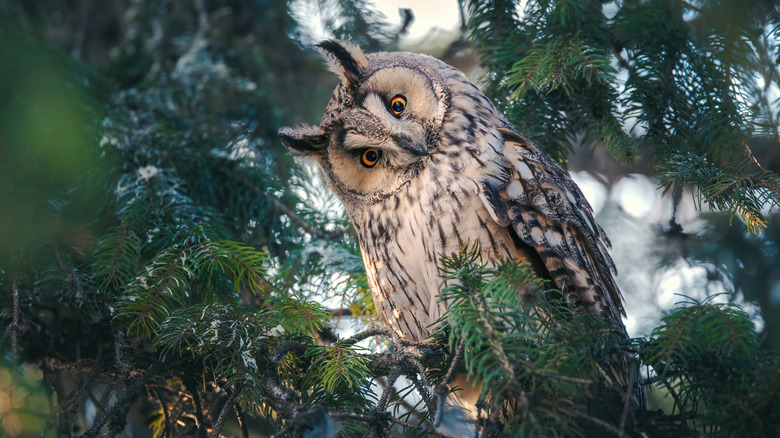
Managing how long your outdoor lights are on is also important. Even the best-placed lights can be a deterrent if they stay on all night, so using motion sensors or timers can leave your yard dark for hours at a time, which allows owls to hunt without being disturbed. Sensors and timers can make sure your yard is only lit when it needs to be, which encourages owls to linger on your property without being spotted by their prey. Having the lights off for extended periods of time also attracts rodents and insects.
Welcoming owls to your property involves more than just adjusting your lights. Providing a good habitat also encourages the birds to stay. Owls need protected spots for both resting during the day and nesting. Evergreen trees help to provide cover throughout the year for owls, but if you're unable to plant a tree, learning how to add an owl nest box to your garden can also help when they're looking for a sheltered spot. To keep the owls safe, it's important to avoid using rodenticides, which are often fatal to owls once they eat the poisoned prey. Leaving natural areas, rock piles, or brush piles in quiet parts of your yard also provides welcoming spots for mice, chipmunks, and voles, which are some favorites of a hunting owl. Combining habitat features along with appropriate lighting can be the perfect reason for an owl to visit.