

The 10 Rarest Birds By Region You'll Be Lucky To See

Birds are a wonderful part of the world around us, not only because of their impact on our own mental health and enjoyment but also because they contribute tirelessly to the ecosystems around them in incredible and unexpected ways. For example, according to a study by Fungal Diversity, an International Journal of Mycology, there are at least 176 different bird species that actually use fungal materials for their nests. This behavior is beneficial to the environment because it helps to spread spores, increasing plant diversity and health. Therefore, given the broad environmental benefits, visual beauty, and lovely songs provided by birds, you may have found yourself looking for ways to turn your yard and garden into a bird haven.
But not all birds are as easy to spot as your local robin or magpie. There are some species that are particularly rare or difficult to find due to their migration patterns, climate preferences, or breeding schedules. However, rare birds such as the white-tailed ptarmigan and the American golden-plover have been spotted in certain regions of the United States. Many of these birds are known by much of the birdwatching community as 'life birds' or 'lifers' because they are unusual finds that birding enthusiasts hope to spot at some point during their lifetime. So, if you live in or regularly travel to any of these regions, you may just be in with a chance — even if it's a small one — of seeing one of these stunningly rare 'life birds' for yourself.
West — California condor
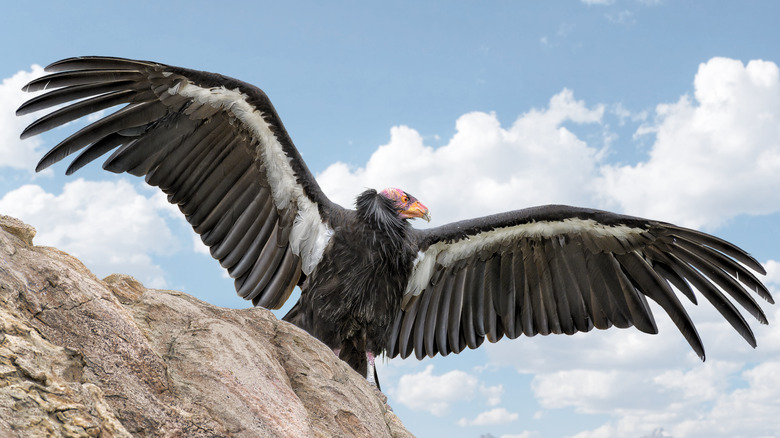
When in California or surrounding arid environments, you may want to keep an eye out for this ancient bird species that has a fascinating recent history. Having almost gone extinct in the 1980s, the California condor was rescued by a successful breeding program and released back into the wild. As is typical of condors, these birds live on deceased animal matter and may be spotted foraging for food in the day or roosting in trees at night. To spot these still-rare creatures yourself, look for adults with bare, orange heads and large, white-lined black wings.
Rocky Mountains — White-tailed ptarmigan
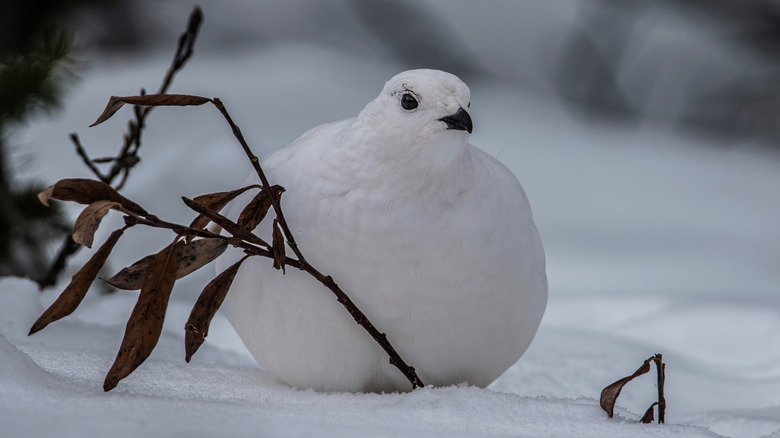
A master of disguise, the white-tailed ptarmigan is a rare find in the Rocky Mountain region because it lives almost exclusively at high elevation, even breeding above the tree line. You'll need a keen eye to spot these small grouse as their plumage turns white in the winter and muddy brown in the summer, enabling them to blend seamlessly into seasonal backgrounds. You may have more luck finding them in summer as they forage for plants and seeds because they tend to be relatively inactive in winter, often hiding away in nests dug out of snow.
Southwest — Double-striped thick-knee
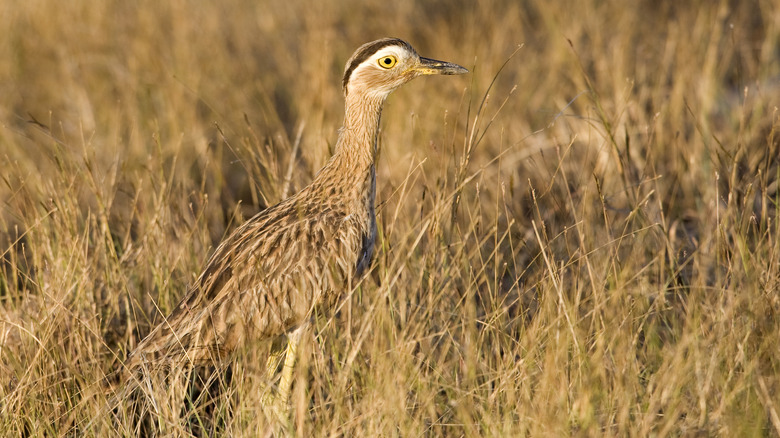
This bird, with its wide eyes and upright posture, may look just as surprised to be in the United States as you will be to see it there. This is because the double-striped thick-knee is one of the rare, beautiful birds you'll likely only find in the southern states, as it spends most of its time in Central and South America. You will have the best chance of finding this spindly-legged shorebird by listening out for its high-pitched, cackling call in the dry grasslands of Southern Texas at night, which is when it is most active.
Plains — Buff-breasted sandpiper
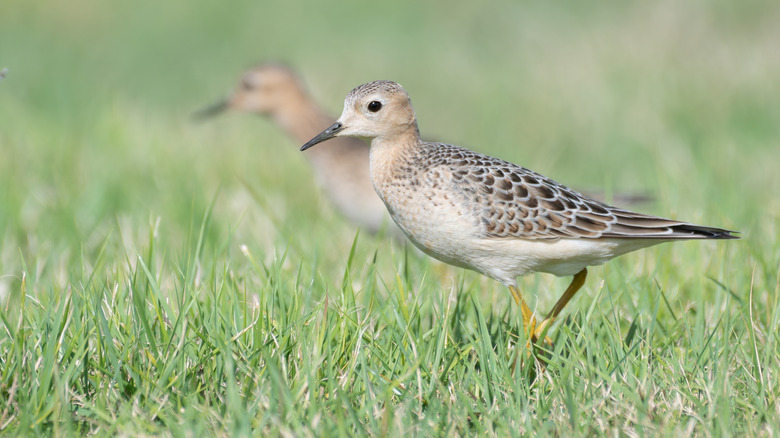
The buff-breasted sandpiper is a lucky find in the Great Plains region of the United States because the timing has to be just right to do so. This round, spotted shorebird typically breeds in the upper reaches of Canada and only passes through the plains on its migration south to warmer climates. They are also relatively rare in general because their numbers dwindled at the beginning of the last century due to hunting along their migration route. To lay your eyes on one, seek out prairies or fields and listen for their bright, bubbly chirping sound.
Great Lakes — American golden-plover
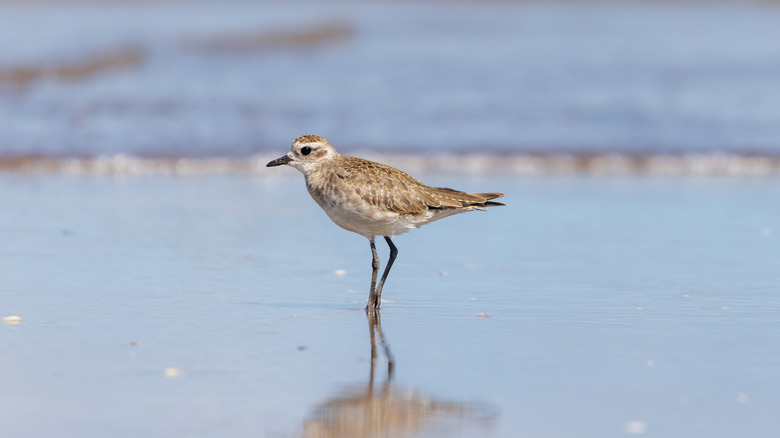
Plovers are birds that typically wade into water to catch aquatic snacks like crustaceans. You can count your lucky stars if you manage to spot an American golden-plover in the Great Lakes area because this region is just on the outskirts of their migration pattern, making sightings much rarer. These small, robin-sized birds have a distinctive white streak that circles their darkly colored face — almost like a bandana — though their plumage can change slightly throughout the year. Check prairies, mudflats, and beaches to spot them during their fall migration.
Southeast — Cerulean warbler
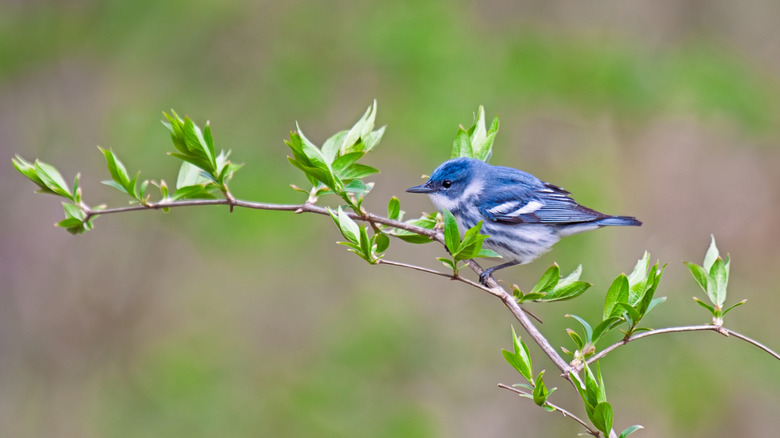
Looking for a spot of color in the Southeast of the United States? You may be in luck — if you search hard enough. Perched in the uppermost branches of the summer Appalachian forests of North Carolina and the Virginias is the migratory cerulean warbler. The males bear a sky-blue back, while the females are less colorful with only small blue patches. Sadly, the cerulean warbler population has recently declined, possibly due to dwindling habitats, so if you'd like to improve your chances of seeing one, you can look up ways to help birds during migration season.
Mideast — Roseate spoonbill
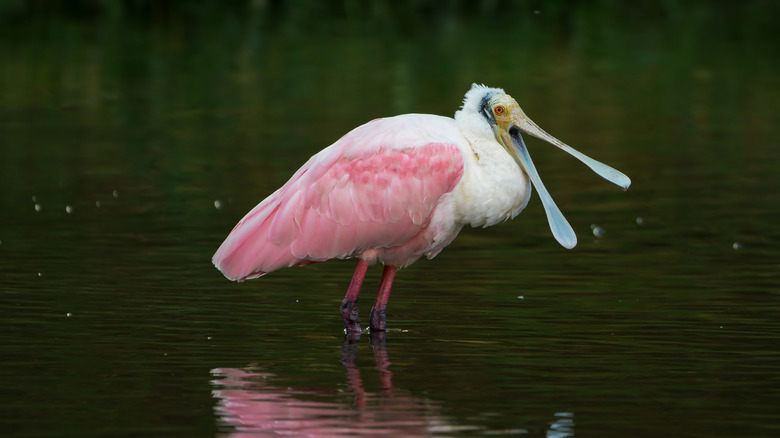
Perhaps the most striking thing to see in the northern climate of New York, Pennsylvania, or Washington, D.C. is a large, bright-pink flamingo-like bird. While they may seem out of place, the roseate spoonbill — a bird that feeds by sifting through shallow water with its broad, flat bill — has actually been spotted in these states on multiple occasions, despite its typical habitat being Florida and Texas. While the spoonbills that end up further north tend to be younger and therefore less vibrant, they are still a rare and fascinating sighting for their large size and crane-like wings.
New England — Yellow-crowned night heron
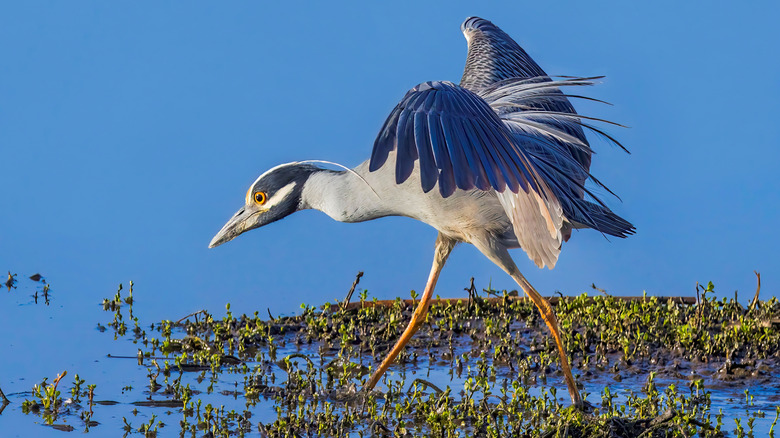
Herons have been used as symbols of wisdom, purity, strength, and sound judgment in a variety of cultures, and, if you're lucky, you might be able to spot an interesting species of this bird as far north as New England. The yellow-crowned night heron can be found in marshy or swampy areas looking for crustaceans to munch on with its thick, sturdy bill. Though it typically hangs out in the Southern United States and Mexico, its unique yellow crest can very occasionally be spotted as far north as Massachusetts.
Alaska — Gray-headed chickadee
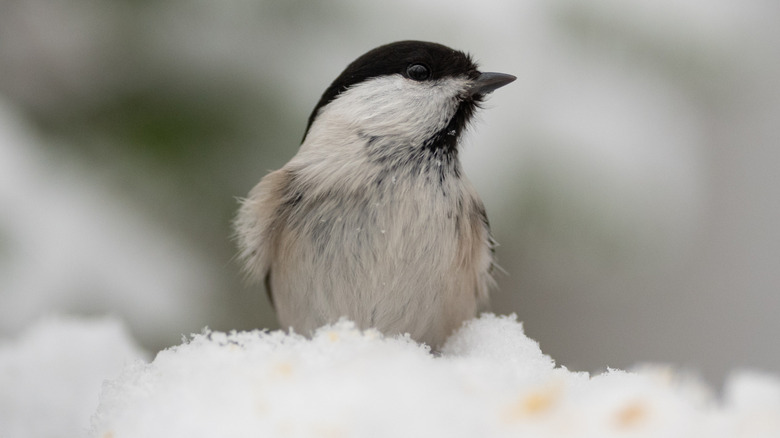
Although this tiny, sweet bird lives primarily in Alaska and isn't believed to migrate very far, spotting one in the wild is still surprisingly rare. If you're determined to see this charming bird in its natural habitat, you will likely have to travel to remote spruce forests, where the gray-headed chickadee is believed to hang out near streams. Reports of this bird are rare, so there isn't much known about their habits, though they can be identified and differentiated from other chickadee species by the bright white streaks on their cheeks.
Hawaii — Nēnē
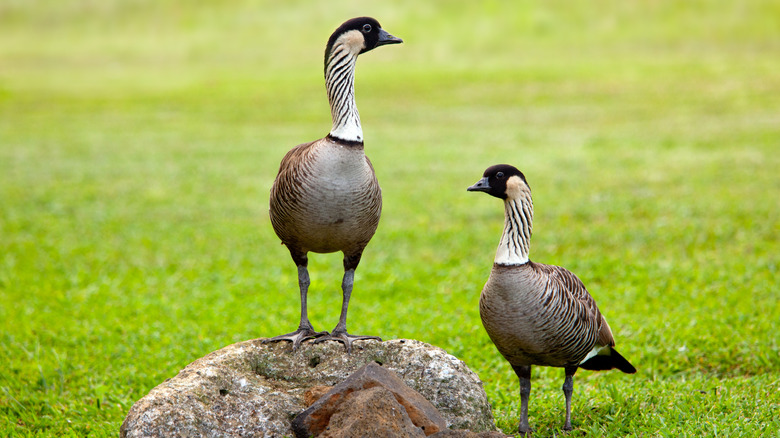
The Nēnē, a cousin of the Canadian goose, is the official bird of Hawaii. However, due to a history of hunting and flourishing predators, its numbers once dwindled down to a measly 30 total birds. Luckily, their presence has recovered somewhat, though there are still estimated to be only around 3,800, so spotting them can be tricky. The best chance of seeing one is likely by heading to Hawaii's national parks and wildlife refuges, where they can be found in a range of different habitats such as grasslands, shrubland, and even coastal dunes.