

Telltale Signs It's Time To Drain Your Water Heater
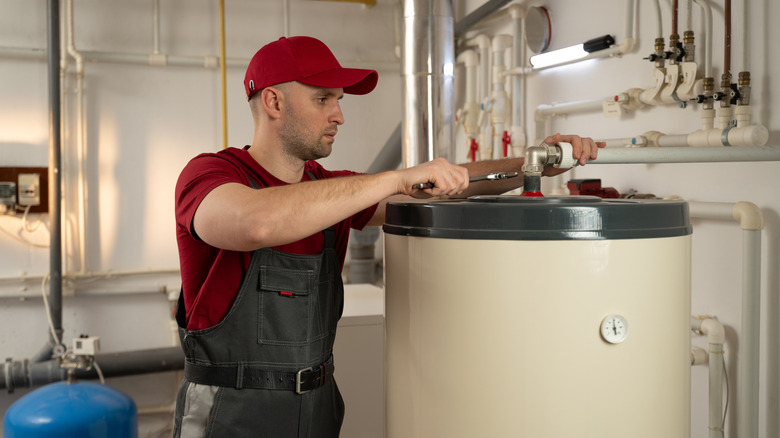
Draining your home's water heater is an important but often overlooked maintenance task that can extend its lifespan and improve hot water quality. Minerals and sediment from your water supply eventually begin to settle at the bottom of the tank, forcing the heater to work harder. As a result, your energy costs increase. Regular draining flushes out this buildup, helping the unit heat water more evenly, operate quietly, and avoid premature wear or costly repairs. In most homes, draining the water heater once a year is sufficient, though hard water areas may require it every six months.
If you've been neglecting this important task, you may notice certain warning signs that your water heater is overdue for attention. Unpleasant odors from hot water may indicate bacteria interacting with sediment inside the tank. A lack of hot water often points to sediment insulating the heating element. Strange sounds emanating from the water heater may be caused by hardened mineral deposits. Rust-colored water is another red flag, signaling corrosion or sediment contamination. Addressing these signs early through routine draining helps maintain reliable and efficient hot water year-round.
Rust-colored hot water
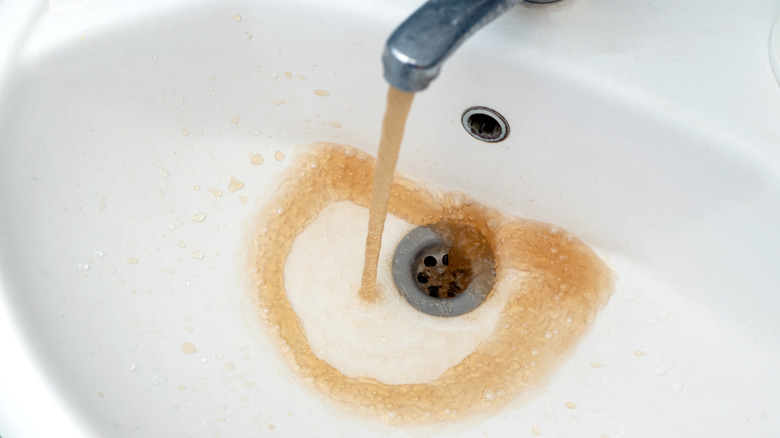
If you've noticed that reddish-brown water comes out of your tap when you turn on hot water, but not cold, it's likely a sign that mineral deposits have built up inside your water heater and are corroding the tank. Rust-colored hot water is also a sign that your water heater's anode rod might needs to be replaced. The anode rod acts as a "sacrificial" component. It's meant to rust and corrode first to protect the rest of your plumbing.
Rusty water can taste unpleasant and cause issues like stained clothing, but it isn't dangerous in the short term. However, rust easily breeds bacteria. Using and drinking this contaminated water in the long-term can expose you to bacterial growth. It may also pose concerns for people with conditions such as hemochromatosis due to excess iron. To resolve this issue, drain your water heater and replace the anode rod.
Strange sounds coming from the water heater
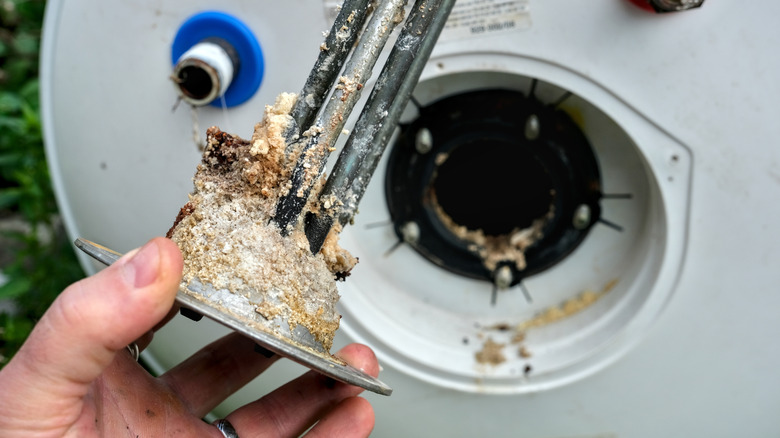
Hearing strange sounds coming from your basement or attic can be unsettling, but don't panic. It's may be your water heater needing some attention. The issue at hand depends on the type of noise you're hearing. Occasional crackling noises are often caused by condensation in the water tank and usually aren't a big deal. A humming sound might suggest a loose heating element, this can be usually be fixed by tightening it. If you hear rattling and popping noises, however, it's likely a sign that it's time to drain your tank.
When sediment builds up inside your water heater, it can trap water and create pressure inside the tank. As the water struggles to escape, it makes a rattling noise. In the long term, this uneven pressure can lead to cracks and leaks in the tank. Simply draining your water heater can clear out the sediment, reduce strain on the unit, and quiet the noise.
Bad odors coming from the water heater
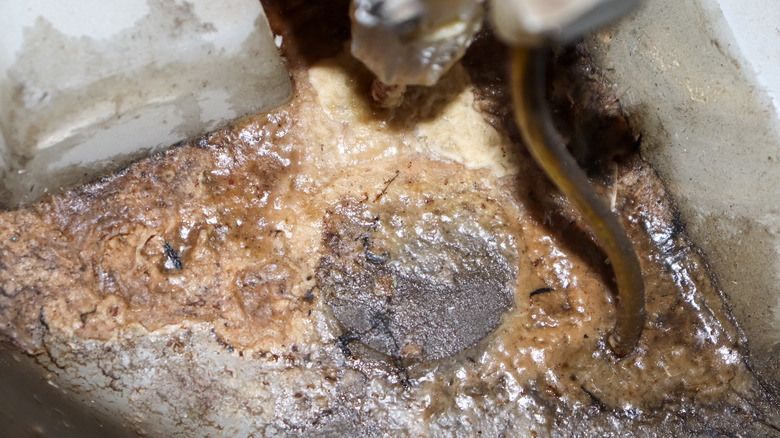
Bad smells are a common sign that a water heater may need draining. If you notice unpleasant odors, commonly a rotten egg smell, coming from your water heater, it's likely a sign of bacterial growth in the tank. Sediment and mineral buildup at the bottom of your tank combined with warm water create optimal conditions for biofilm and bacteria to grow. This growth, comprised of microorganisms and bacteria like sulfate-reducing bacteria, produces hydrogen sulfide gas. This gas can cause the rotten egg smell you may have noticed.
Luckily, this issue is easy to fix. Raising the thermostat temporarily can help reduce bacterial growth. Then you can drain the tank to get rid of the buildup. A failing anode rod can also cause a foul odor, so take time to check it when you drain the tank and replace if needed. Be sure to check any manufacturer instructions before draining your tank or replacing any specific parts.
No hot water or lukewarm water

There are few things more frustrating than an unexpected cold shower or bath. If your water isn't running as hot as it used to, or won't heat up at all, it could be a sign that sediment has accumulated around your water heater's heating element, blocking it from heating water efficiently. Cold or lukewarm water should affect the whole home to clearly point to a water heater issue.
If the water is running cold from only one or two faucets, the problem is specific to those taps only. Water heater malfunction can be caused by numerous issues, like internal component failure and electrical or gas issues. If other issues have been ruled out and the tank has not been drained in over a year, draining it may help fix your slow hot water issues. In the end, addressing these signs early with routine draining can help extend your water heater's lifespan and reduce the risk of costly repairs.