

What Can You Do If Your Neighbor's Pesticide Drifts Over To Your Garden?
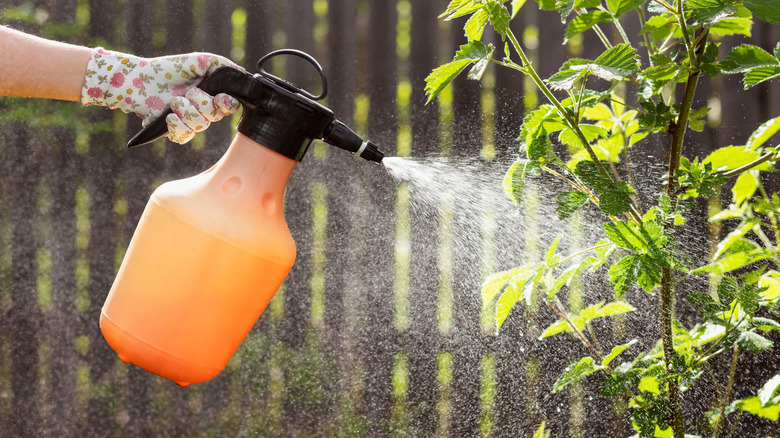
You may prefer a no-chemicals approach to pest management, but your neighbors might not. Sadly, this can leave your property and garden vulnerable to "pesticide drift," where a fog of chemicals strays from the application site to unintended targets. And this can have serious effects. Depending on the pesticide's toxicity and your proximity to the spray, direct contact may cause skin irritation, burns, or headaches. Herbs and vegetables exposed to drift may be rendered inedible and need to be removed. This situation can understandably make you angry and worried about your household's safety.
So, what can you do if your neighbor's pesticide drifts onto your garden? Start by documenting it. If you're outside and see the applicator spraying pesticide, politely take photos of them and your garden to collect evidence. Note if any sensitive plants were wet immediately after spraying or if you can smell any noticeable odors. Keep in mind that pesticide damage can take up to 10 days to become apparent. This may be because not all herbicide injury is directly attributable to particle contact. Sometimes, they volatilize and travel through the air, damaging your plants. The point is to start documenting whenever you notice signs of injury, such as curled leaves, discoloration, or dead bees. With this evidence, prepare yourself for a "polite talk" with your neighbor. But if that doesn't work, consider filing a complaint with your state's department of agriculture, the State Pesticide Regulation Agency (SPRA), and the EPA.
How to approach your neighbors to discuss pesticide drift

Legally, homeowners are entitled to spray chemicals approved for home use to keep pests off their property. However, they can be held liable for pesticide drifting into their neighbor's property. After collecting hard evidence and giving yourself some time to cool down, approach your neighbor about the damage. Keep it cordial, and maybe carry a few cut flowers, so you can collectively arrive at a solution. Ideally, you'll want to know the pesticide's name and EPA registration number. Read the label — the National Pesticide Information Center (NPIC) maintains a searchable database on all pesticides. Determine its toxicity levels, residual activity, and what steps should be taken in the aftermath of spills or overuse.
If your neighbor isn't keen on burning bridges, they may compensate you for the lost plants, or their landscaping company will if they've hired one. After all, honest mistakes can be made – winds can change direction, or they may have miscalculated the height for aerosol sprays. You may also use this opportunity to discuss natural ways to deter garden pests, such as mulching and manual removal. However, if your neighbor remains unconvinced or is dealing with stubborn weeds and pests that necessitate chemical intervention, request them to give you a heads-up before they spray their yard. You can accordingly cover your plants with a tarp or frost blanket to minimize any risk. Perhaps the best way to make you and your neighbor happy is to install a fence or a plant hedge as a buffer against drift.
File a complaint with regulating agencies when your neighbor pays no heed

If communication fails or your neighbor refuses to take accountability, reach out to your state's department of agriculture within 30 days. They'll send an inspector — for no additional cost to you — to investigate and collect evidence. They may even scrutinize for other label law violations. Avoid washing affected plants, as this could interfere with documenting pesticide drift damage. Simultaneously, report this incident as "pesticide misuse" to the NPIC and the EPA – they work in tandem with the state pesticide regulatory agency or health agency to resolve such concerns. Based on their investigation, you can send a written warning letter for recovery or hire an advocate to do so. If the issue remains unresolved, you may consider pursuing the matter in small claims court.
Going forward, explore your state's neighbor notification laws. Some states, including New York, require homeowners to give their neighbors sufficient notice before spraying, so they may take precautionary measures. Other states, like Pennsylvania, maintain a registry of people highly sensitive to pesticides, which you can join to receive notices before someone sprays in your neighborhood. Posting "do not spray" or pesticide-free signs can also help, especially if you maintain a certified organic garden or pollinator habitat.