

Curling Shingles: Why It Happens And What You Can Do It Fix It
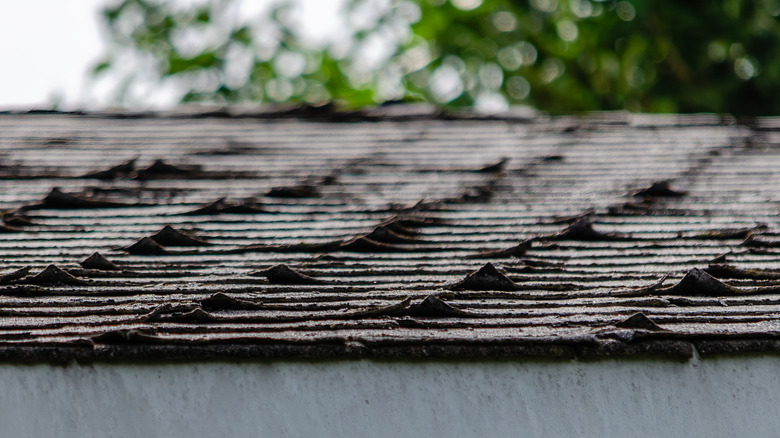
Your home stays dry thanks to the roof, but when the edges of your shingles begin to peel back like a dried autumn leaf, that protection doesn't work so well. This warping usually happens when poor ventilation or intense heat dries out the asphalt, causing the shingles to lose their shape. Age and a botched installation can also be factors. Curling shingles are an eyesore that can ruin your home's curb appeal, but they're also a sign that moisture has gotten underneath, which can result in water damage. A healthy roof has shingles that fit tightly and evenly so water can run off and into the gutters. Curled shingles invite moisture to seep into the wood decking underneath, which can be a sign that your roof needs replacing. While you can sometimes use adhesive to secure individual shingles that are still flexible, large damaged areas usually require professional repairs or a total replacement.
Curling can happen in two different ways: cupping, where the center of the shingle sinks while the edges rise, and clawing, where the edges curl under while the center bulges. Both are a warning sign that the material is no longer properly seated against the roof. While a single warped shingle might not cause a roof leak tomorrow, widespread curling means that the asphalt material is losing its ability to shed water. Catching those signs early prevents a small repair from turning into a full roof overhaul.
Poor attic ventilation and aging materials often cause shingle curling
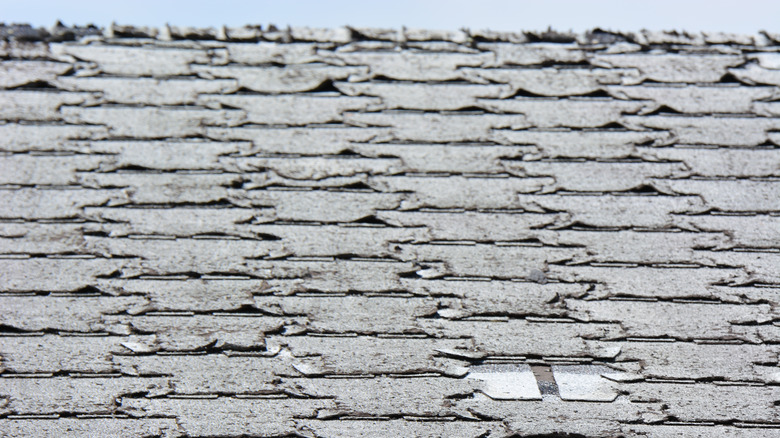
The most frequent reason behind a wavy roofline is a lack of airflow directly beneath the shingles. When heat and humidity become trapped in the space directly below your roof, they bake the shingles from the underside, causing the asphalt to dry out and warp. This thermal trap effect strips the shingles of their flexibility long before they reach their expected lifespan. Proper attic ventilation is just one way to help prevent shingle damage caused by this baking. Aside from heat, moisture from bathrooms or kitchens that aren't properly vented can make its way to the roof deck, causing the wood to shift and the shingles to come away from the roof.
Simple old age can also play a role. As asphalt products spend decades under the sun, the oils that keep them waterproof and pliable begin to evaporate. This natural aging process makes the material shrink and harden, which is why older homes often show significant curling toward the end of a roof's 15- to 30-year lifespan. In some cases, poor installation, such as nailing shingles over a damp deck or using too few fasteners, can cause the shingles to shift and buckle shortly after being installed.
Ignoring damaged shingles can result in some serious issues for your home. Once shingles begin to curl, they funnel rainwater directly onto the wooden boards underneath. This exposure leads to rotting, which weakens the structure of the roof and encourages mold and mildew growth in the attic. The small openings also act like a welcome mat for bugs and other critters to move in and make a cozy home in your insulation. The longer you wait to make repairs, the worse the problems can get.
Fixing minor curling requires sealant but widespread damage needs a professional
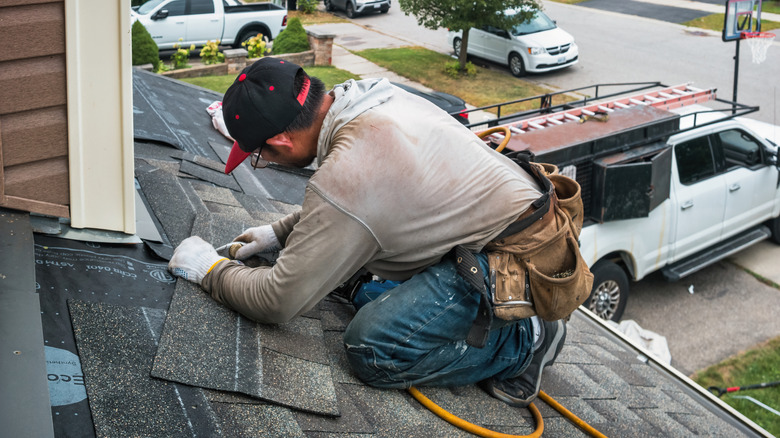
Before attempting a fix, check that the shingle is still flexible. If it has become too stiff and snaps off, a repair won't work. For shingles that can still bend and not break, you can use some adhesive or roofing cement to keep it stuck to the roof. If you see shingle granules in the gutters or if the curling is spread across the entire roof, this type of DIY fix won't work. Because getting up on a roof involves heights and steep slopes, you should keep in mind that walking on a roof is dangerous, and it can also cause more cracks and leaks. If you don't have the experience or the proper safety gear, you should always call a professional rather than risking a fall.
A specialist can tell if the issue stems from a structural ventilation issue that needs new vents rather than just a patch job. If your roof is nearing 20 years of age, a professional inspection is the best way to help you understand how often you should really be replacing your roof and whether a repair or replacement is the best path forward.