

Don't Prune This Shrub In Winter - It Will Only Decrease Its Spring Blooms
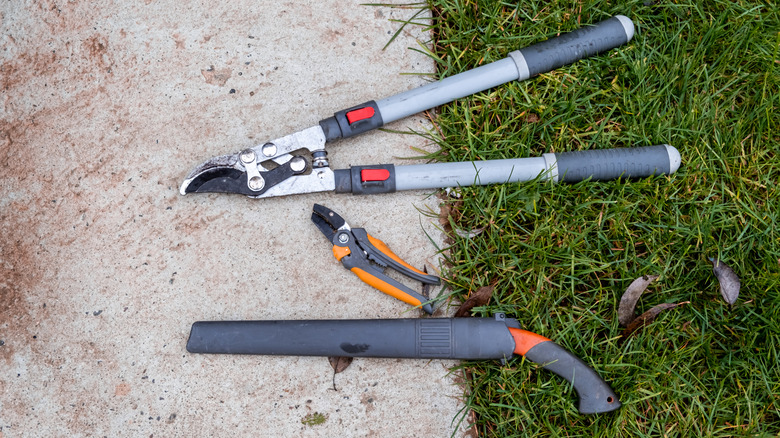
Each year in winter, gardeners get out their shears to trim their plants in preparation for the coming spring. Pruning is a vital part of plant care — for most trees and shrubs, at least. However, not all plants respond well to being pruned during the colder months. This is especially true for shrubs that set their flower buds for the next season in late summer or early fall. Cutting off stems and branches at this time removes these buds. As a result, spring flowering may be noticeably less abundant than it has been in previous years. The azalea (Rhododendron indicum) is a good example of this type of shrub. For this reason, you should avoid pruning these plants in the winter at all costs.
The importance of the timing of pruning makes more sense when you understand how azalea buds develop. Some gardeners, especially beginner growers, may not know that azaleas start setting their buds so long before they flower — and even well before winter arrives. These buds stay on stems through the cold season, when the shrub enters dormancy. There are a bunch of winter tasks that ensure beautiful spring blooms from your azaleas, such as adding an insulating mulch layer and watering after the first hard frost. But cutting back branches during winter isn't one of them since it removes next season's buds. This can lead to frustration when spring blooming doesn't live up to your expectations.
The correct time to prune azaleas for strong spring growth
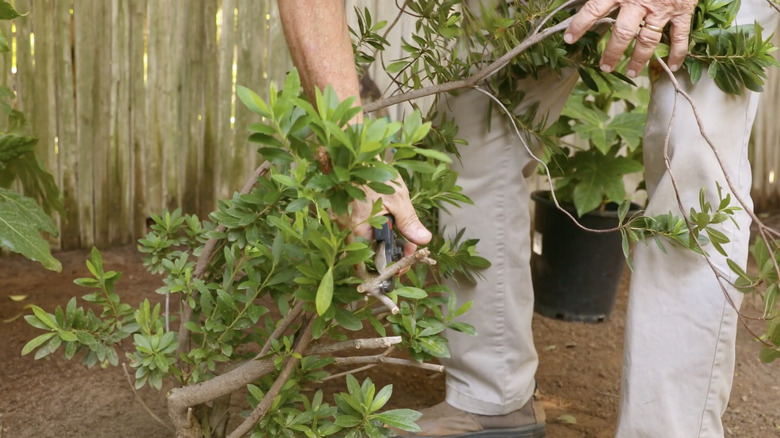
Never pruning your azalea shrubs in winter is only part of the equation for maintaining healthy growth and flowering. Knowing when they can be pruned safely is just as vital. The best time of year to prune azaleas for stunning blooms is after their flowers fade but before new buds form. After-bloom pruning helps your shrub recover from being cut back and continue developing before winter dormancy and freezing temperatures arrive. Bloom time varies across cultivars and locations, spanning spring to fall, so when you trim depends on the cycle of your particular plant. For gardeners who prefer winter cleanup, adjusting to the azaleas' pruning schedule can take some getting used to. Once you get the hang of it, pruning your azaleas will become much easier.
Even when pruning is done at the right time, removing too much new growth can cause problems. Azaleas will handle heavy pruning quite well if they need to, but they may produce fewer flowers for a year or two while they recover. For most azaleas, light pruning tends to produce better results. There are exceptions, of course — if you need to restore the health of an azalea or have a shrub that's particularly weedy, hard pruning becomes imperative. Always prioritize long-term plant health over short-term flowering. Keeping your expectations realistic and staying flexible benefits your azaleas and keeps them looking their best.