

Can You Take A Stand Against A Stubborn HOA To Grow A Lawn Alternative?
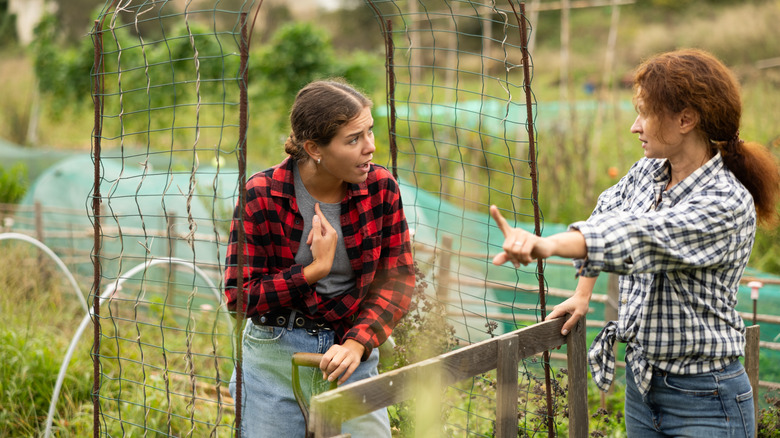
Living in an HOA community has its perks, but can quickly become a real problem if you want to do something unique with your front yard. For many homeowners, the promise of tidy streets and well-maintained lawns is a big part of the appeal when they sign their homeowner's association covenants, conditions, and restrictions (CCRs). But those rules can start to feel too rigid when you want to swap out your healthy green grass lawn for pollinator-friendly native plants. The good news is that with strategy, persistence, community support, and in some cases, legal action, you can take a stand against stubborn HOA restrictions to create a yard that's both beautiful and sustainable.
HOAs often restrict your plant choices, hardscaping features, and lawn alternatives not just to ensure consistency but to prevent invasive species from spreading, which they argue can reduce property values throughout the neighborhood. As a result, grass lawns remain the default, even as water costs soar, droughts become more common, and more homeowners favor the simplicity and beauty of biodiverse, low-maintenance yards.
Across the country, more residents than ever are challenging outdated HOA rules that feel environmentally wasteful, exorbitantly costly, or excessively controlling. According to Rocket Mortgage, more than half of HOAs have provisions for landscaping, while roughly the same percentage of homeowners say they dislike having an HOA at all. Several homeowners who've added native plants in an attempt to rewild their properties are pushing back against HOAs trying to prevent and fine them into compliance. For anyone ready to explore lawn alternatives themselves, understanding both sides of the argument is the first step to reclaiming your yard.
How homeowners are pushing back
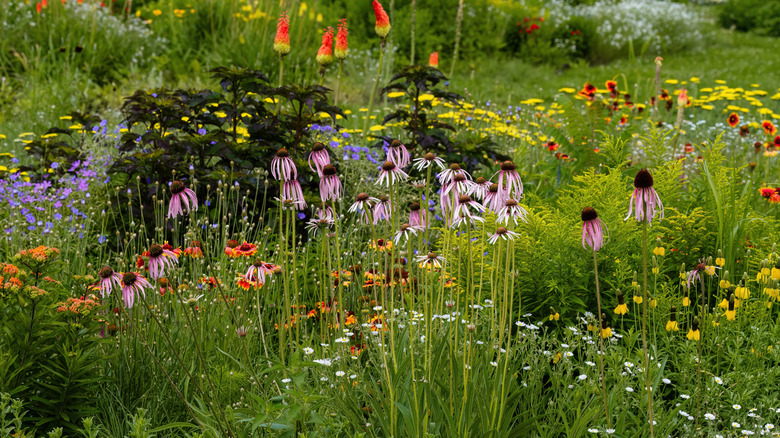
HOAs argue their landscaping covenants help protect property values and maintain neighborhood cohesion. Boards often cite concerns about invasive species and unkempt appearances, though their motivations are not purely aesthetic. Many also feel an obligation to enforce the CCRs they were elected to uphold.
Meanwhile, homeowners embracing drought-resistant native plants often emphasize the environmental benefits. In one Minnesota case, a homeowner planted prairie grasses and later faced new HOA rules aimed at banning that style of landscaping. When the HOA began levying fines, she looked to a state law protecting native lawns, filing suit in an attempt to protect her plants. In a similar Maryland case, a couple fought back after rewilding their lawn, eliciting help from local politicians and environmentalists to pass a law protecting native species from HOA bans. These cases show that HOA rules can sometimes be challenged successfully. Standing firm and building community support can make a difference.
Although filing a lawsuit is always an option, it's often better to try working with your HOA board first. Start by reviewing the bylaws and rules you want to challenge before calmly making your case in a letter to the board. Cite any relevant legal protections, such as state-level native plant provisions, along with evidence of the ecological benefits the plants provide. Small compromises, like choosing plants within the HOA's preferred color palette or respecting maximum height preferences, can help keep the board on your side. Finally, build community support by engaging your neighbors, openly discussing your plans to grow something far more beautiful and sustainable than grass.