

If Your Home Is Heating Unevenly, It's Time To Look Into Updating Your Insulation
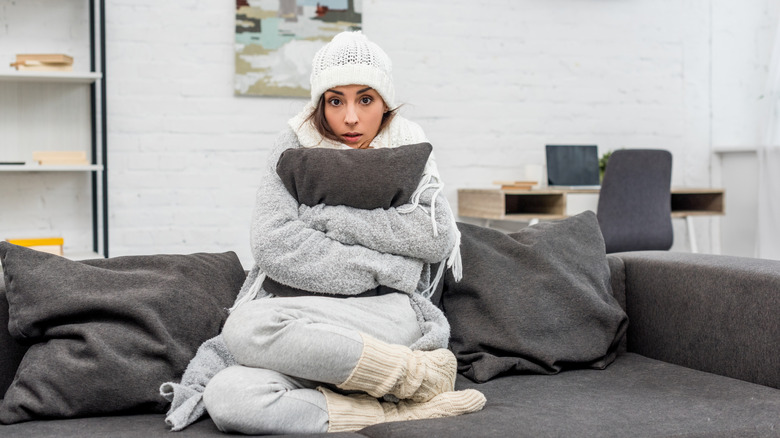
When winter comes knocking, your heating system is crucial for maintaining a regulated indoor temperature. However, even the most efficient heaters won't evenly warm your home if insulation is lacking. This happens because heat naturally flows from warm areas to cooler ones. So, in the winter, when temperatures drop, the heat in your home will try to escape. Fortunately, your home's insulation helps slow this process from happening by creating a thermal barrier. In addition to keeping all rooms in your house evenly heated, a well-insulated home lowers energy costs by reducing the output of your HVAC system. When insulation is inadequate, uneven heating often follows, with some rooms feeling warm and others noticeably cooler.
To ensure your home insulation is performing at its best, start with a DIY check in your attic. If the insulation covers the floor joists, you're probably safe. You can also check for wall insulation by removing an outlet cover and shining a light inside the cavity. Other signs your insulation is insufficient include higher-than-average energy bills, fluctuating temperatures, drafts, or ice dams on the roof. An even more extreme sign is frozen or burst pipes.
How better insulation can fix uneven heating
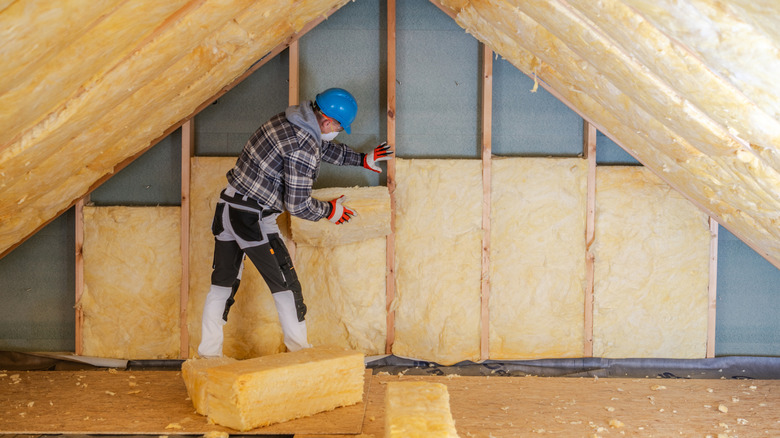
If heating remains uneven and signs point to poor insulation, rectify the situation by adding or upgrading your insulation. Since warm air rises, attics are a primary source for heat loss and are most often the first place you'll need to start. The best ways to insulate your attic in the winter include spray foam, fiberglass batts, or blown-in insulation.
According to Energy Star, insulating an attic is a moderate-to-difficult project that can be DIY-friendly if the space is accessible and you're prepared to spend several days on it. If you feel you don't have the necessary skills to do the job (or just don't want to), call in a contractor. A contractor can also more accurately assess the insulation levels in your walls and, if necessary, remedy the situation.
Another way to fix uneven heating is to ensure that all areas around your doors and windows are weatherstripped. Weatherstripping is a type of insulation that comes in a thin sheet, often made of vinyl, reinforced foam, or felt. It's placed around movable objects, like windows and doors, to seal gaps and block drafts when the window or door is closed, but still allow it to open freely. If you notice a draft around a window or door, faulty weatherstripping could be the culprit, allowing heat to escape. If drafts are coming from the window glass itself rather than the framing, choosing the best window insulation kit to stay warm and cozy this winter can help stop drafts.