

What If A Contractor Damages Your Property? Here's What You Can Do
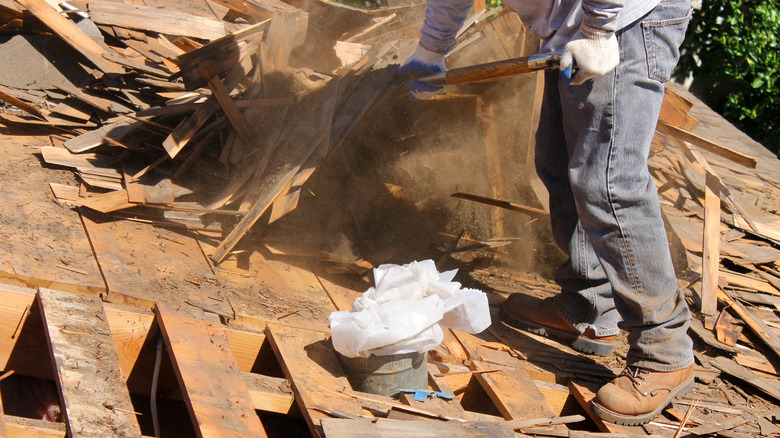
Whether you're building a new house or making a relatively minor repair, hiring a contractor can be a stressful experience. Many homeowners finally settle based on scheduling availability, competitive pricing, or even just a gut feeling, before handing over keys and deposits to someone they barely know. At least a little dust and disruption are to be expected, and accepting a certain level of temporary chaos is often the price of home improvement progress. But sometimes contractors cause issues that go beyond inconvenience. When damage happens, it's important to carefully document it, review your contract terms, and notify your contractor in writing that you're requesting repairs or compensation.
The ways a contractor can damage your property are practically endless. Heavy equipment can ruin your landscaping or driveway. Hardwood floors can get scratched or dented. Even cosmetic mistakes like poor prep, sloppy painting, or rushed finishes can require repairs. Other times, problems aren't immediately obvious. Poor flashing or sealing can lead to slow roof or window leaks. Nicked plumbing lines can cause moisture damage or mold. Pinched electrical wiring can cause flickering lights or safety risks. If your contractor has already moved on to the next job, you may find yourself scrambling to figure out the next steps.
Fortunately, homeowners aren't powerless once the damage is discovered, and there are practical steps you can take to resolve most situations once problems are identified. But prevention is the best protection. Carefully vetting contractors, confirming licensing, bonding, and insurance, and negotiating detailed written contract terms upfront (especially those governing project scope, materials, liability for damages, and repair standards) dramatically improve your odds of reaching a fair resolution if something goes wrong.
How to protect your home when things go wrong
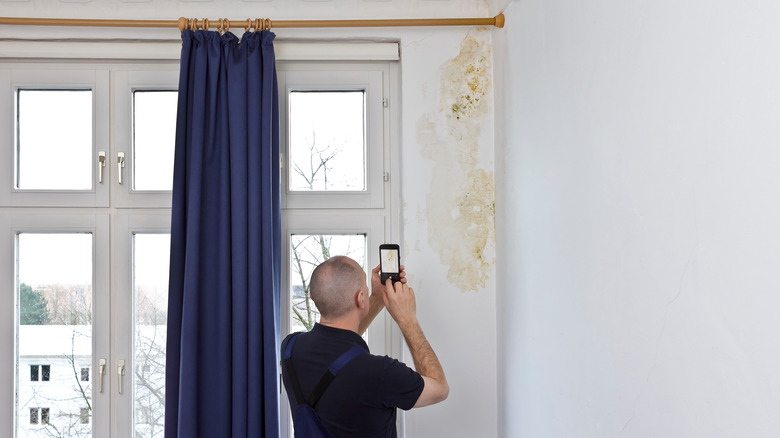
Start by documenting everything before any repairs are made. Take clear photos and videos, along with keeping written records of what you observed, including dates and times. Backup all emails and texts with your contractor, and save copies of contracts, invoices, and receipts. If the issue is ongoing, like a leak, or potentially dangerous, like a burning smell near your outlets or electrical panel, you may need to make urgent repairs, but make sure you document the problem first.
Next, review your contract carefully before notifying your contractor in writing about the damage. It can be very upsetting to pour hundreds or thousands of dollars into a home improvement project only to discover damage that will cost even more to fix. However, it's best to keep your communication civil and professional. Describe the issue, reference contract terms that address the scope of work, liability, and repair standards, and clearly state what you're requesting. Sometimes a contractor can repair or replace damaged work. In other cases, they may prefer to reimburse you. Avoid verbal promises, keeping your communications in writing whether you're working to resolve the issue with your contractor, their bonding company, or insurance providers.
If you haven't made a final payment, check whether your contract allows you to withhold funds (retainage) until work defects are resolved. Requesting a written plan and timeline for repairs may be helpful. If a contractor still refuses to address the damage or disputes responsibility, consult a construction attorney who can help you file a bond or insurance claim, or determine if you have grounds to pursue mediation or legal action.