

Why Some Luxury Upgrades Can Actually Lower Your Resale Value
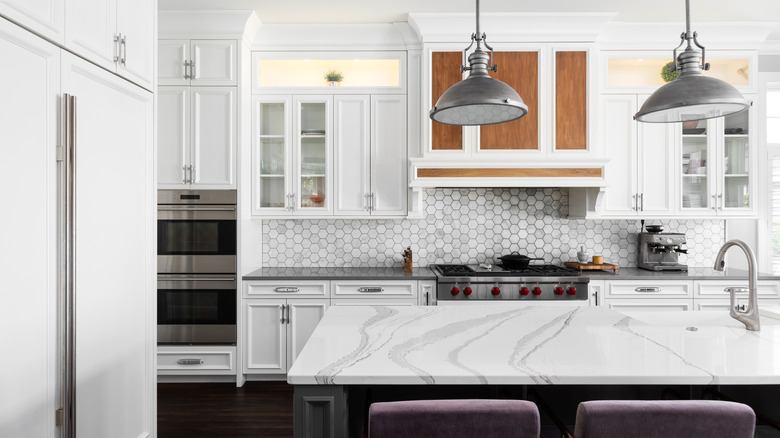
It's easy to assume the more money you pour into your house, the more likely it is to boost your home's value. Unfortunately, that's not how some luxury upgrades play out. Even the cleverest walk-in closet or home theater room conversion could actually work against you when it's time to list your house for sale. Even if you've got marble waterfall countertops, a giant master suite, or other improvements that make your home feel luxurious, resale value is driven by what most buyers want, not what costs the most to build.
Luxury upgrades tend to disappoint sellers because housing markets reward standardized features more than expressions of individuality. Appraisers rely on recent comparable sales in an area, largely focusing on layout, bedroom and bathroom counts, condition, and broad market appeal. Renovating a bedroom to add a massive closet, over-customizing a kitchen, or installing niche finishes can push your home into a weaker set of comps. Worse yet, in some cases, the difference between what a buyer offers and what an appraiser determines can be so large that buyers decide to back out.
Even if they don't directly lower your home's comps, luxury upgrades rarely deliver equivalent increases in resale value. One Zillow analysis shows that major kitchen and bathroom remodels generally return only 60 to 70% of their cost. Luxurious in-ground swimming pools often recoup even less, while narrowing the number of potential buyers because of maintenance, insurance, and safety concerns. In some cases, high-end home upgrades can become obstacles to selling rather than investments, a reality every homeowner should weigh before committing to extensive or deeply personalized improvements.
Conversions and over-customization can reduce what buyers are willing to pay
The luxury upgrades that most often reduce resale value are ones that fundamentally alter the layout of your home or make spaces feel highly personalized in a way that doesn't appeal to potential buyers. Conversions are a prime example. Converting two bedrooms into a massive primary suite, or even a single bedroom into a custom home theater or gym can reduce your resale value, especially in starter home neighborhoods. Although those upgrades may feel luxurious to you, they also shrink the number of rooms, a key metric appraisers and buyers weigh heavily. According to Priceonomics, each bedroom can add $30,000 to $50,000 in property value, so combining or converting them to a different use can directly (and significantly) reduce your resale value.
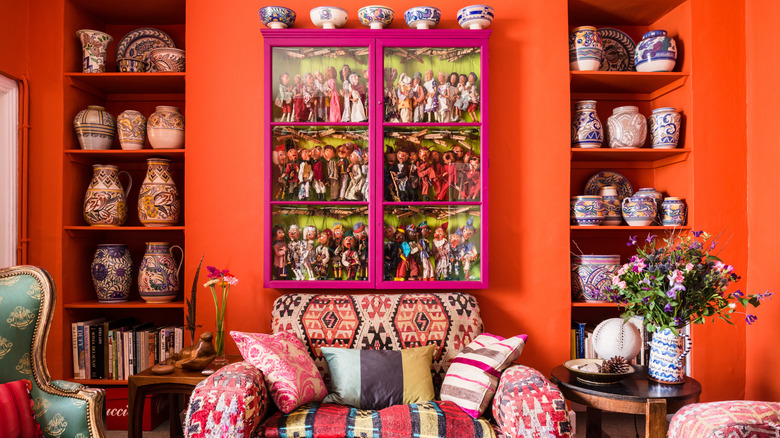
Over-customization presents another challenge. Luxury features like themed rooms, extreme built-ins, or vivid decor choices may make your heart sing. Meanwhile, buyers may have a hard time imagining their own lives in the space or reduce what they're willing to pay as they anticipate major cosmetic renovation costs ahead. Zillow's research shows that bold colors, personalized niches, and trendy features don't just take longer to sell, but they also receive lower offers compared to more neutral homes.
Last but not least, removing a bathtub can hurt your resale value, especially if it's the only one in the house. We understand the temptation to yank out those fiberglass tub-shower combos before replacing them with spacious walk-in showers covered in trendy tiles that feel straight out of a boutique hotel. But even the most well-intentioned improvements can leave you with less than expected at the closing table, since not all luxury upgrades are created equal.