

What Types Of Siding Add The Most Value To Your Home? Here's What We've Found
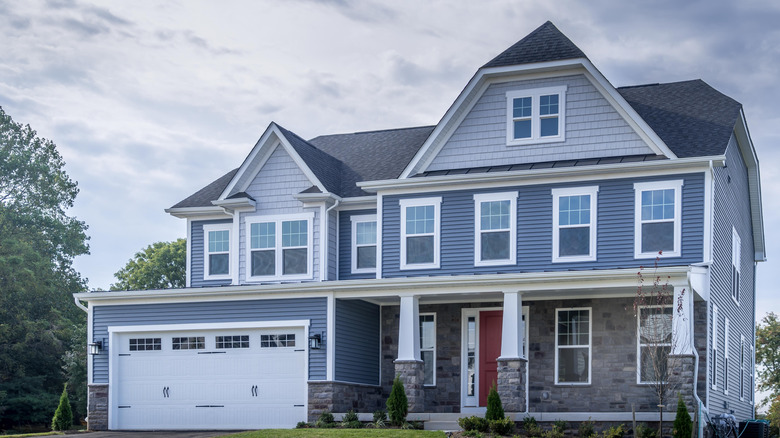
Choosing the right siding for your home can feel like a lot to take on, and many homeowners wonder if they're making the wrong choice that leaves them with a massive bill and zero extra equity. While many people assume that a fresh coat of paint or a quick patch job will work, the fact is that certain materials actually pay for themselves. Improving the outside of your home is often the most effective way to see a significant return on investment (ROI) when it's time to sell. Understanding which materials are preferred by buyers allows you to stop guessing and start spending your renovation budget where it counts. When looking at different types of house siding to consider, current market trends show a preference for durability and curb appeal, ranging from high-tech composites to classic stone.
Most people spend their time worrying about dated kitchen cabinets or old bathroom tile, but those projects rarely pay for themselves as well as new siding does. When a potential buyer drives up to the house, they make a split-second decision about whether the house is worth their time. If the siding is cracked, faded, or just looks cheap, they're already looking for reasons to lower their offer or move on to the next house. Modern siding options like manufactured stone veneer, fiber cement siding, and engineered wood siding are made to be far more durable than the materials used just a decade ago, meaning your investment stays protected for much longer.
Manufactured stone veneer provides the highest return on investment
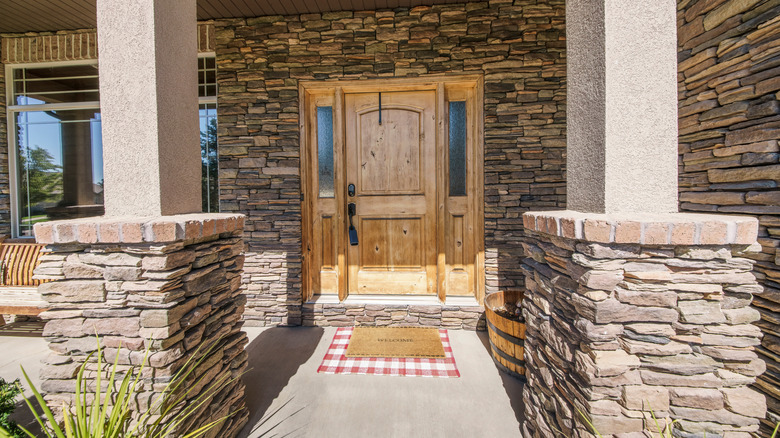
If you're looking to get the most out of your investment, you should consider installing manufactured stone veneer since it can instantly add value to your home. This material is highly desirable because it consistently adds more to a home's price tag than the owner spent on installation. According to a 2025 report published in The Journal of Light Construction (JLC), you can expect an ROI of roughly 208%, which was ranked the third most valuable exterior home improvement project, surpassed by replacing a garage door and adding a steel front door.
The material has the high-end look of heavy, natural stone but is much lighter and easier to install. Because it's lighter than natural stone, it can be added to a house without the need for the expensive support framework that real stone requires. Many homeowners use it to highlight specific areas like a front porch or the bottom section of their exterior walls, to create a more expensive appearance. It can also handle rough weather and fire, giving many homeowners a sense of security that will eventually turn into higher offers when it's time to sell.
Fiber cement and vinyl offer durability and a classic style
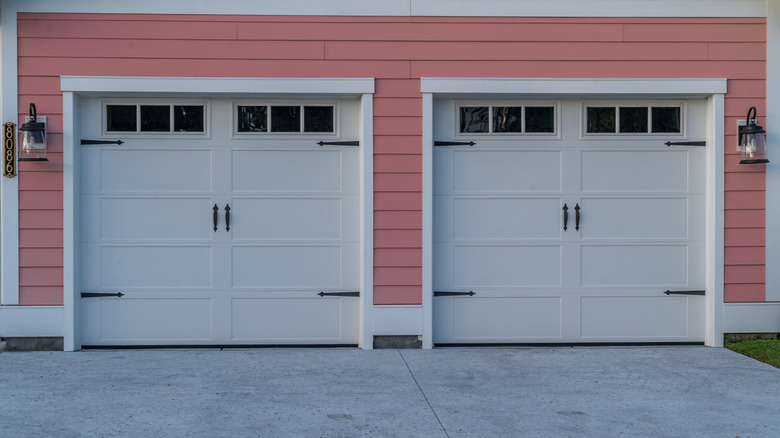
Fiber cement siding is becoming more popular, and it's a favorite with homeowners who want their home to still look new for decades without much work. This product is a mix of cellulose fibers, sand, and cement that creates planks that won't rot, catch fire, or get eaten by termites. Because it's so tough, buyers are often willing to pay a premium for a house that has it. Replacing your siding with fiber cement can return approximately 114% of the project's cost, according to a value report in The Journal of Light Construction (JLC). It's also one of the few materials with a Class A fire rating, which can lead to lower home insurance premiums in some areas of the country.
For many homeowners, choosing vinyl siding is a smart way to give their home a fresh look without signing up for years of time-consuming maintenance. Because it's made from durable PVC, it doesn't suffer from the rot and insect damage that happens to traditional wood siding. It's also cost-effective, as JLC shows that homeowners can recoup up to 97% of the installation costs when they sell their property. It offers a classic style that stays looking vibrant for many years with only periodic cleaning.