

11 Most Dangerous Kitchen Appliances & How To Use Them Safely
We may receive a commission on purchases made from links.
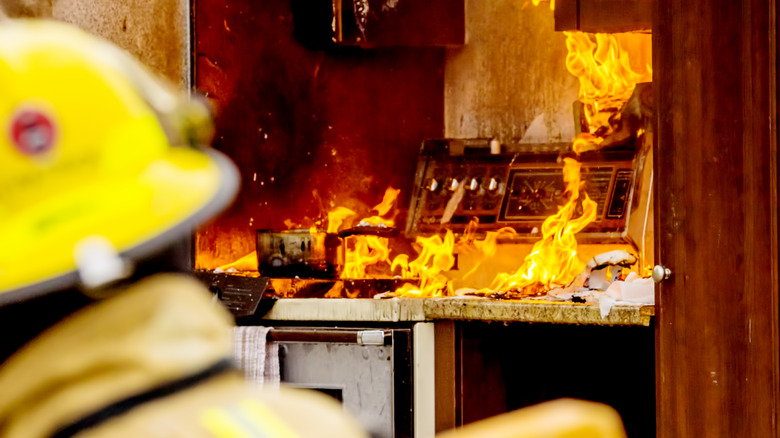
Kitchen appliances make life easier by aiding in cooking activities, such as baking, sautéing, toasting, frying, reheating, or preserving the freshness of your food. However, they can also present significant dangers to your home and your safety. By knowing which appliances pose the most risks and understanding what to look out for, you can prevent a blaze and maintain a safe kitchen environment. The U.S. Fire Administration states that cooking is the primary culprit for residential fires, and the NFPA (National Fire Protection Association) highlights that home kitchen appliances were the cause of up to 48% of fires between 2020 and 2024.
Fires and burn-related injuries can be easily avoided when appliances are used and maintained responsibly. However, there are some things out of your control, such as touch-sensitive burner knobs, hot-to-the-touch surfaces, and manufacturing errors in appliance designs, which can contribute to electrical fires. This article isn't meant to make you fear your kitchen appliances, but rather, to instill a healthy respect for them and possible dangers, plus how to operate them safely, how to know when to replace them, and how to identify warning signs. Keep reading to learn about hazardous everyday equipment in your kitchen.
Countertop and toaster ovens cause a plethora of potential dangers under the right conditions
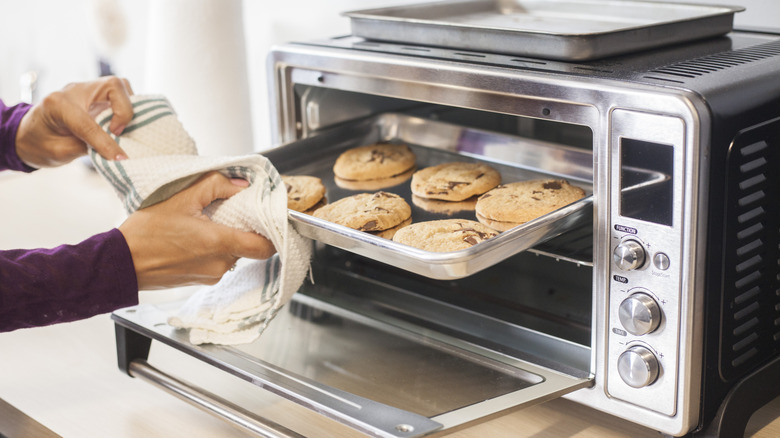
Countertop ovens and toaster ovens are super convenient, but can also be dangerous. Built-up grease residue and burnt food particles inside the oven can contribute to fires, while faulty wiring or improper placement can also be the reasons for an oven blaze. These appliances can also present certain burn hazards to those who use them. As of September 25, 2025, the Consumer Product Safety Commission (CPSC) highlighted a recall made by Sunbeam in reference to their Oster French Door Countertop Ovens. The reason one million were recalled was due to an inefficient design that caused people to easily burn themselves or get their hands trapped when the oven doors closed without warning. There are also a number of common mistakes to avoid making with a countertop oven or toaster oven that could influence flame and burn risk.
Maintain safety and prevent fires by regularly cleaning your oven, wearing oven mitts when placing or retrieving food trays, unplugging them after each use, and making sure they aren't pressed against a wall, cookbooks, or other obstructions that could block air vents. Similarly, if you notice a burning smell when operating the oven (but it's clean and the food isn't burnt), feel that the oven's cords are hot to the touch, hear a buzzing or crackling noise, notice temperature inconsistencies when cooking food, or if you trip a breaker when plugging in and using the oven, there is a good chance there is a wiring issue that could start a fire. If you've had your countertop oven or toaster oven for multiple years, it might be time for a new one. Always reference the manufacturing manual for tips on proper operation and when to replace it.
User error and accumulated grime can produce air fryer accidents and fires
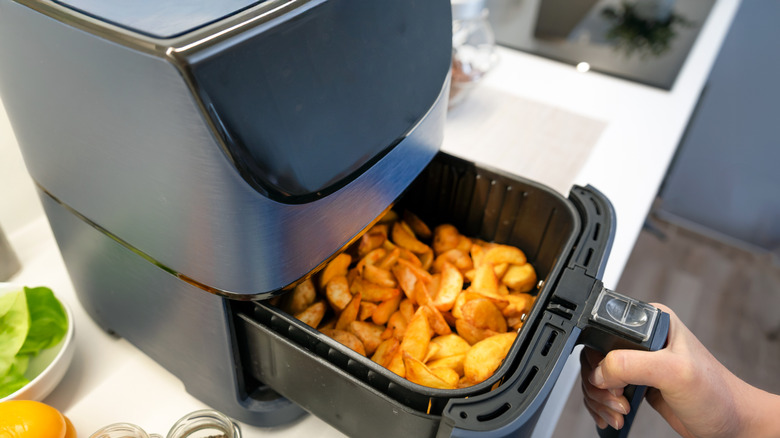
Air fryers are more popular and healthier than deep-frying food. However, they're not without risks. Like other countertop appliances, they can build up grease, burnt food particles, and oils if not regularly cleaned, increasing the potential for a blaze. In addition to faulty wiring, most fires can be due to user error. Overfilling the air fryer compartment with food can make it overheat since the hot air can't circulate properly, while using cooking oils or parchment paper in the compartment can have fiery consequences. Positioning the air fryer where vents are blocked can also contribute to it overheating. If handled incorrectly, you can get burns by touching parts of the appliance. In addition to burn and fire hazards, air frying food can produce a chemical called acrylamide. This naturally occurs in food cooked at or above 250 degrees Fahrenheit. Although research varies, it has been shown to cause cancer in animals, along with other health effects that involve humans.
To prevent your air fryer from unexpectedly catching fire, place it in a spot where its vents aren't blocked, never overfill the frying basket, reference manufacturer guidelines on what can and can't go in the compartment, always wear oven mitts when touching the appliance, and unplug after each use. As for possible chemical exposure, vegetables and meat or fish produce less acrylamides than foods with higher starch content. You can also take the guesswork out of air frying by choosing a model that has specific settings for certain types of food, like this Breville air fryer and convection oven combo.
Without proper safety mechanisms, electric ranges can be fire hazards
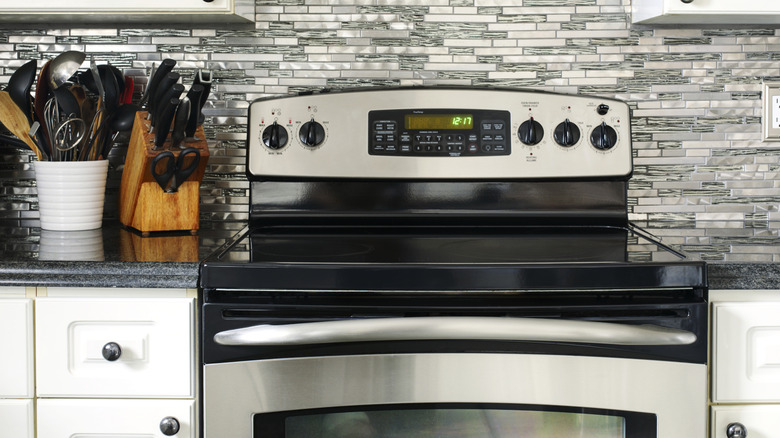
Although considered safer than gas ranges in terms of indoor air pollution, electric ranges aren't without risks. In fact, the NFPA concluded that electric ranges cause more fires on average than gas alternatives. This is due to the cooling time for electric burners and how their designs make it less obvious to determine whether they're on compared to gas burners, which produce a blue flame. Similarly, electric ranges without safety mechanisms (such as push and turn knobs) can accidentally get knocked or moved, causing a burner to turn on accidentally, leading to property destruction, injuries, and even death. A recent LG recall highlighted by the CPSC cited front-mounted control knobs as a factor in cooking fires. Proper oven use also comes into play when assessing the fire and injury likelihood associated with electric ranges.
To promote a safe cooking environment, keep dish towels and flammable items away from electric burners at all times, make it a habit to check that all burner knobs are turned to the off position before leaving your kitchen, regularly clean the cooktop and the oven interior to keep oils and food residue from accumulating and acting as fuel, and never leave the cooking area unattended when the range stovetop or oven is in use. Being prepared is also of the utmost importance. Emergency fire blankets are faster and more user-friendly than fire extinguishers, making them a must-have in your kitchen beside your stovetop.
Refrigerators present tipping hazards as well as electrical fires
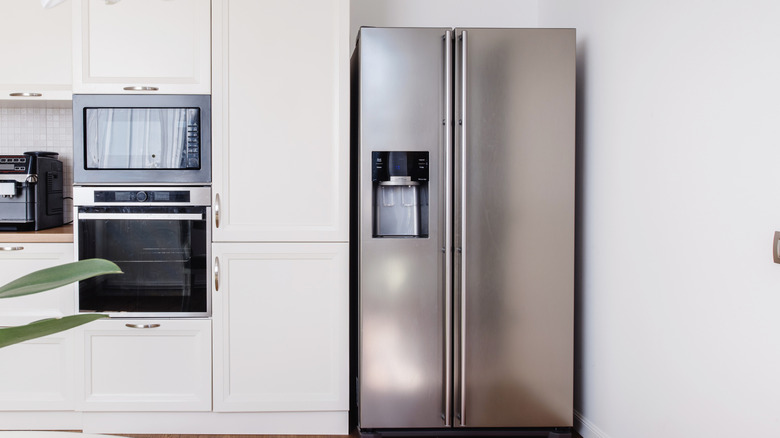
The main threats associated with refrigerators are crush injuries and child entrapment, along with electrical fires as a result of clogged or blocked vents and wiring issues. The CPSC warns about older refrigerator or chest freezer models with latch door mechanisms, as children can easily become trapped inside. They also compiled a 2019 report on furniture and appliances most likely to cause tip-over-related deaths or injuries. Refrigerators accounted for 29% of appliance-related tip-over deaths between 2000 and 2018. As for blaze-related dangers, damaged electrical wires, improper outlet usage, and overheating as a result of user error or vent coverage are most likely.
Luckily, it's easy to prevent refrigerator injuries and fires, as long as you're proactive. To keep refrigerators in place, invest in heavy-duty furniture anchors. These on Amazon can support up to 220 pounds. The U.S. Fire Administration says that refrigerators should be plugged right into the outlet — no extension or power strips allowed, as these can contribute to instability in electrical power and can lead to cords overheating and even produce flames. To ensure proper ventilation, make sure your refrigerator has at least an inch of clearance on all sides. If you're purchasing a new refrigerator, adhere to the manufacturer's instructions on the right placement and care needs. It's also important to know when it's time to replace your fridge. Depending on the model, a fridge could last you about 12 years before needing to be changed out.
Pressure cookers can cause steam burns -- so proceed with caution
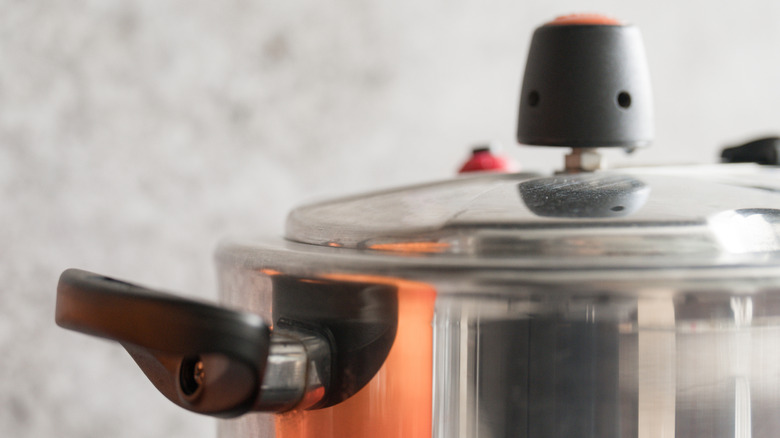
Pressure cookers are designed to cook things like rice, beans, meat, and even stew or chili in record time, but this also means they're using high heat and pressurized steam to get the job done. The major concerns with these countertop appliances are the potential for steam-related burns when you remove the lid. More extremely, lids can explode off the top due to the internal pressure. However, there are plenty of models with safety lock features to minimize explosion risk.
To use a pressure cooker safely, always follow the manufacturer's instructions and use the appliance exactly as directed. This means not surpassing the cooker's fill line and keeping an eye on the internal temperature throughout the cooking process. Although stovetop pressure cookers are more efficient, electric models are known to have more high-tech features to monitor and maintain temperatures and prevent lid explosions. Prioritize wearing oven mitts when removing the lid to protect the skin on your hands and arms, and unplug the cooker when you're done to prevent overheating or scorching leftover food. When cleaning the cooker, examine the lid — specifically the rubber seal for any trapped food or cracks that could contribute to an improper seal, and therefore, a possible lid explosion.
Your dishwasher could be hiding mold, fungus, and fire-starting conditions
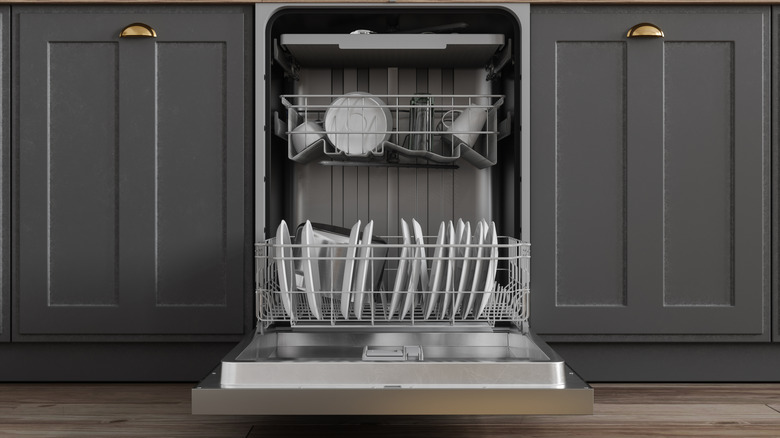
Even though dishwashers are designed to clean and sanitize, they can still harbor a bunch of harmful mold, fungus, and bacteria — due to the moisture of the environment, along with dislodged food particles. Similarly, overcrowding your dishwasher could block one or more important components, which could cause it to overwork — increasing fire risk. Placing plastic dishware on the bottom rack, close to the washer's heating component, can also end in flames. For this reason, you should only put plastic on the top rack.
Use vinegar to clean and descale your dishwasher every few months — or each month if you live in an area with hard water — to prevent mineral blockages and the growth of mold and bacteria. Before placing cups, plates, or utensils inside, make sure they're free of food chunks — this will limit food particles from getting stuck in crevices or spray arms and harboring bacteria. When loading the dishwasher, try to limit overcrowding. Make sure any items you include aren't tall enough to block the washer's spray arms, so they can move and release water for dishwasher pods or detergent to dissolve in. This ensures what's inside the dishwasher gets properly cleaned and that water can disperse and drain (preventing water build-up). Replace your dishwasher every ten years or so, or when you notice it stops working properly — this could signal old or faulty wires or blockages.
Gas ranges can contribute to residential fires and indoor air pollution
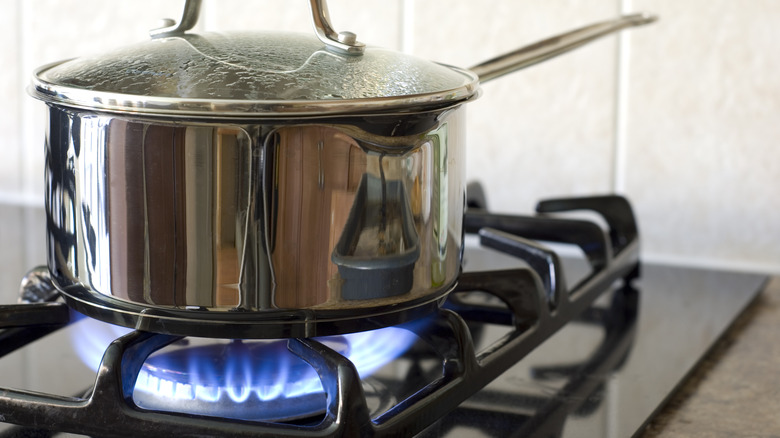
Gas ranges are a home chef's dream, but they should be used with caution since open burner flames are associated with increased fire risk and skin burns. Similarly, since the range uses gas heat to operate, it can contribute to indoor air pollution and negative health impacts — even when the stove or oven isn't turned on. Gas ovens can also overheat for a number of reasons, which is why it's important to never leave them unattended when in use.
If you do have a gas range, be extra mindful of hazards around the cooktop. This could be rags, paper towels, wooden or plastic cooking utensils, or cooking oils (a recipe for grease fires). You should also watch what you wear while cooking with a gas burner, as loose or bulky clothes could catch alight if they come in contact with the flame. To confirm the oven's internal temperature and help prevent fires, consider adding an oven thermometer. This can help you determine if it's heating to the correct temperature or if it's overheating or underheating — in which case, it's best to contact a professional to take a look at the gas lines or the oven door's seal. After using a gas range, make sure it's turned off before cleaning the stovetop and the interior of the oven. Doing regular cleanings will limit food and grease buildup and, in doing so, reduce the chances of an incident.
Toasters can start fires and cause electric shock
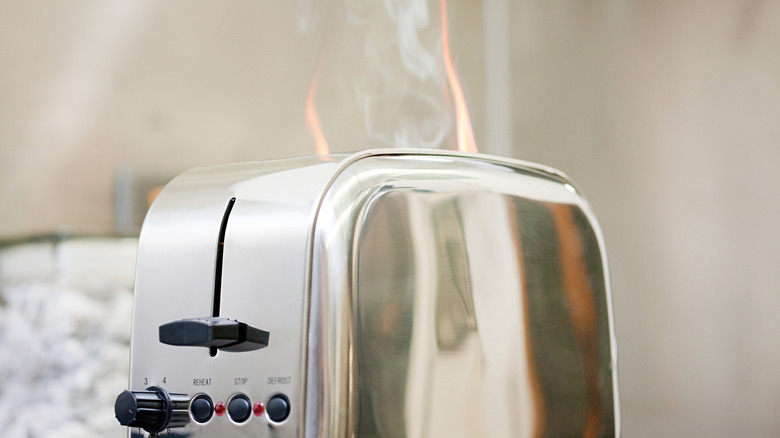
There are several safety concerns surrounding toasters. From electrical shock due to sticking metal in the toaster to retrieve a piece of bread to accidental burns and fire hazards. Certain food items shouldn't go in the toaster due to the likelihood of an accident. This includes anything greasy (like bacon), buttery, gooey, or wet in general, as anything with oil or liquid can drip or accumulate on the toaster's heating component and start a fire.
To use toasters safely, always reference the manufacturer's instructions. For the best results, only put bread inside and regularly clean your toaster to prevent the buildup of food crumbs — which could act as fuel. You can also use non-stick toaster bags to keep crumbs out, or to toast sandwiches without the contents dripping or falling to the bottom of the toaster. Like with most countertop appliances, always unplug it after you use it to cut off power and reduce the chances of a fire. You can also unplug the toaster before you remove the bread to further limit your risk of burns or electrical shock.
When used incorrectly, microwaves can cause fires and burns to your skin
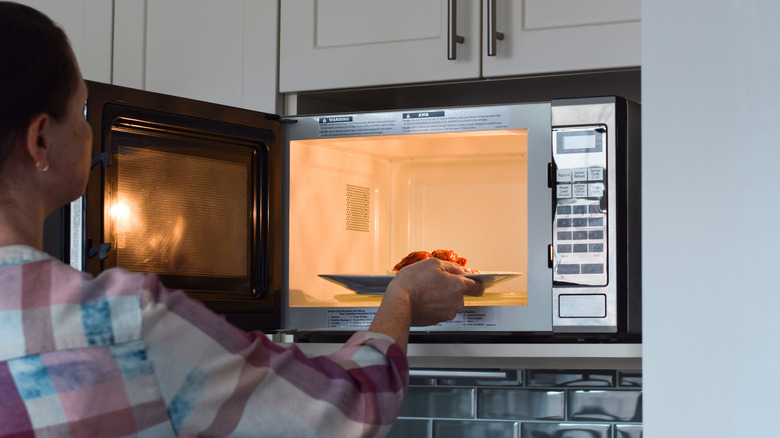
Microwave incidents are closely associated with user errors, like accidentally putting metal, aluminum foil, or plastics inside while heating food, creating sparks that can become flames. This can also happen when you put the wrong cook time (like 20 minutes instead of 2 minutes) and burn the contents. The same goes for overheating water or coffee, causing a flash boil that can produce serious burns to your body. These are just some examples of mistakes everyone makes with their microwaves that can lead to fires or injuries. Similarly, the age and design of your microwave can also contribute to damaged or deteriorated wires and potential radiation leakage as a result of old door seals. You also need to plug the microwave directly into a wall outlet, as attaching it to extension cords or power strips can cause it to overheat and catch fire.
So, how do you use your microwave safely? First and foremost, only put food in microwave-safe containers or confirm packaged food has a microwave-safe label before heating it up. Second, never leave the microwave unattended while in use. Third, always give food or liquids about one minute to cool in the microwave before taking them out, and use oven mitts in case the containers are hot. If your specific microwave has a manual with time recommendations for certain foods or liquids, or has buttons for specific actions (like defrosting, heating coffee, cooking popcorn, etc), use them as guidelines. And finally, if a fire does start in your microwave, turn it off and leave it closed (oxygen fuels fire). If you can, unplug it and call your local fire department to be extra safe.
Blenders can cause skin lacerations, burns, and even fires.
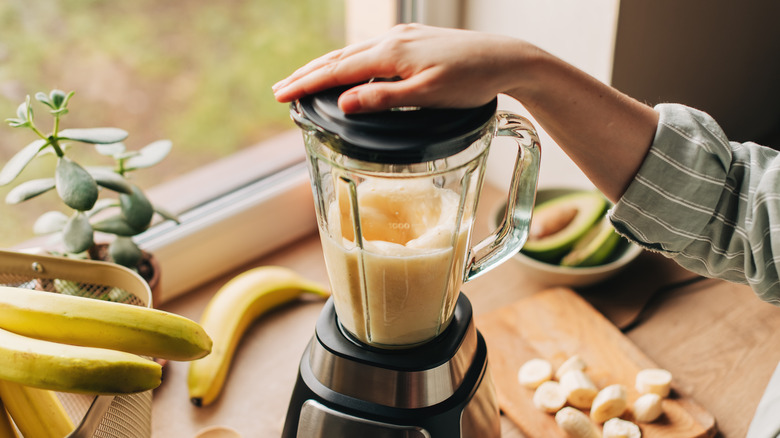
Blenders are dangerous kitchen appliances because of the potential to cut fingers on the blades. They can also generate heat from friction in the blending mechanism, which can start an appliance fire. Placing hot liquid in a glass blender can even result in it breaking and glass and hot liquid getting all over the kitchen, or worse, on your skin.
Always unplug the blender when you're done or before you stick a spoon or spatula inside. Never put your hand in the blender — especially if it's still plugged in — to avoid contact with the sharp blades. Make sure to add more liquid if the blender is having trouble blending frozen or dry ingredients. This will prevent the blades from overworking and thus keep the appliance from overheating. Similarly, don't stuff the blender with ingredients past the fill line, as this makes the blades work harder and, in some cases, overheat. If you smell a burning smell while using your blender, stop and unplug it — it may be overheating due to being overfilled or not having enough liquid inside. If your blender can handle hot liquids, double-check that the lid is tightly in place before you start blending. It could save you from getting burned.
Deep fryers are a recipe for severe burns and fire risks
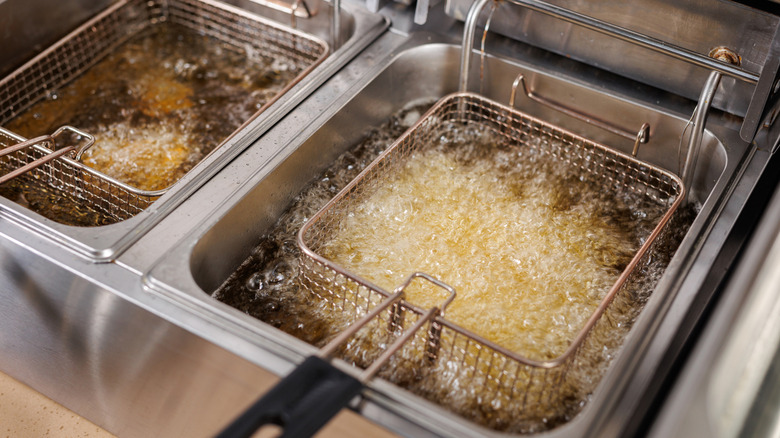
Having a deep fryer at home can pose many dangers — even when you're a deep-fry pro. The biggest one is the possibility of burns as a result of spilled or splashed oil during the frying process. Fires are also a potential threat when using a deep fryer, since you have extremely hot oil that could come in contact with a burner or overheat without your knowledge. The NFPA lists deep fryers when discussing cooking equipment that caused the most home damage, based on data taken from 2017 and 2021.
In order to enjoy deep-fried foods at home, practice safe cooking. Position a deep fryer away from combustible hazards and out of reach of kids and pets. Fill the fryer with the appropriate amount of oil, as overfilling it could lead to oil splatter and skin burns. Fry items in small batches to keep the oil level down and to make it easier to monitor. Always let frozen items thaw completely beforehand, as the difference in temperatures, water content, and steam can make the deep frying oil violently splatter — a perfect storm for oil fires and severe burns. When deep frying food, make sure to tailor the temperature to the specific type of food to ensure it cooks thoroughly, and monitor temperatures closely to prevent the oil from overheating. Have a class K fire extinguisher nearby just in case — water should never go on a grease fire. If you plan to deep fry a turkey for Thanksgiving or another occasion, do it outside, away from your home, to limit flame exposure.