

10 Best Marigold Companion Plants For A Healthier Vegetable Garden

Companion planting has long been a strategic method savvy gardeners use to improve the health of their gardens. The practice embraces using plants that are complementary to each other to improve soil health, attract pollinators, repel garden pests, suppress weeds, and promote better yields. If done well, companion planting can create a beautiful, healthy garden full of amazing fruits, veggies, and herbs. One plant that gardeners have found to be beneficial to their vegetable gardens is the marigold (Tagetes spp.).
Like nasturtiums, marigolds are not only great at deterring insects naturally; they are also edible and adorable. Their ability to attract pollinators and predatory insects helps ensure fruit-producing veggies are properly pollinated, while predatory bugs prey on damage-causing insects. Marigolds are also the perfect plant for beginner gardeners to test out companion planting with. Not only do they mature exceptionally fast, but they are also one of the least finicky flowers to grow. Marigolds can thrive in less-than-optimal soil, a variety of lighting situations, and tolerate drought well.
To get the most benefit from planting marigolds in your vegetable garden, be sure to plant them several weeks before planting your veggies. This will allow the marigolds to reach their peak pest-fighting potential before critters have a chance to get to your prized produce. You should also make sure to thin your marigold seedlings to give each plant the space it needs to bloom and fill out. Plant marigolds along the edge of your garden rows to create a charming border that also gives your veggies a multitude of amazing benefits.
Potatoes
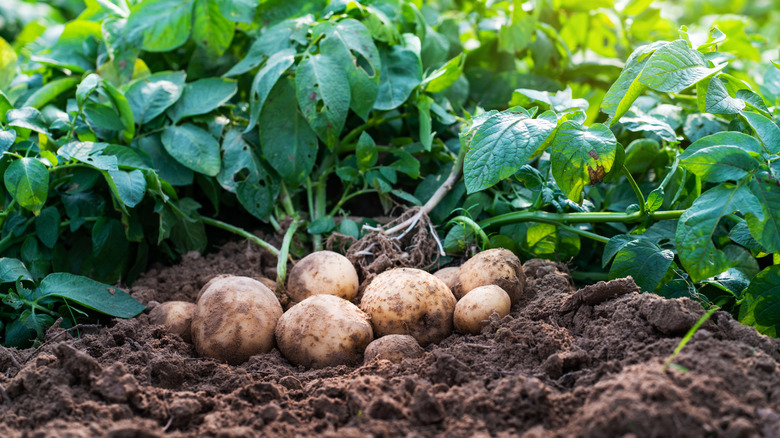
Potatoes are susceptible to various critters including potato beetles, which marigolds happen to be great at repelling. Planting marigolds with your potatoes works well, because marigolds can tolerate the hot, dry conditions throughout the summer while you are waiting for your harvest. With marigolds on guard, your potatoes will be able to produce healthy, abundant spuds. And if you grow your potatoes in planters, you can use the marigolds to fill in around the edges of your container.
Tomatoes
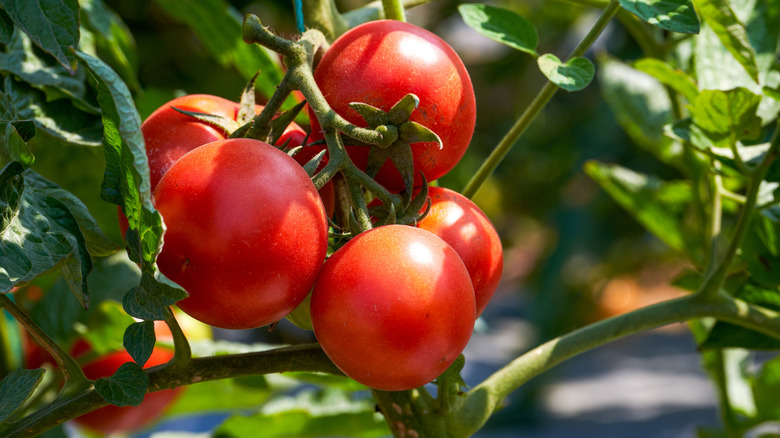
Often it can feel like your tomato plants are either thriving or struggling. They attract many insects that can cause damage and poor harvests. One particular problem that marigolds are great at fixing is root-knot nematodes. These annoying pests can cause plant yellowing and starvation of necessary nutrients. Marigolds can also keep whiteflies away from your tomatoes which can also damage your tomato plants. Planting marigolds with tomatoes can help keep your tomato plants healthy and provide a better harvest by attracting important pollinators.
Cucumbers

Because cucumbers are a fruiting vegetable, they benefit greatly from the marigold's ability to draw in pollinators. More pollinators mean more fruit and more cucumbers means more pickles for you. Cucumbers are susceptible to insects that are drawn to moisture and shade, which marigolds are effective at repelling. Cucumbers and marigolds are the perfect companions in the garden. Plant a few marigolds near each of your cucumber plants and watch your plants thrive.
Eggplant
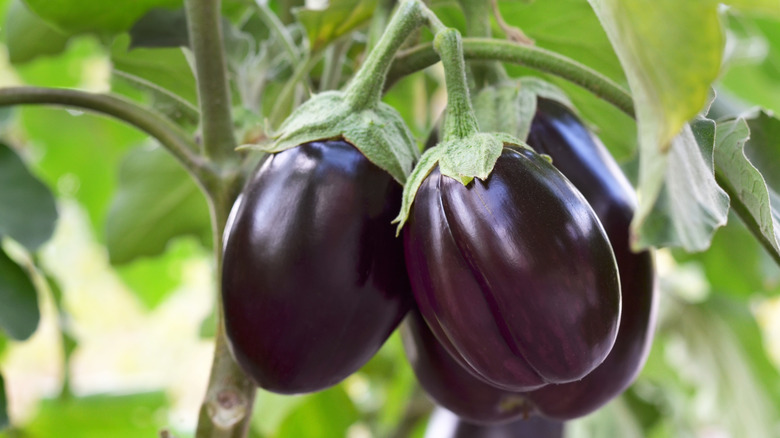
Eggplants, like tomatoes and potatoes, are nightshades, which means they have similar needs and are susceptible to similar issues. One threat they share with tomatoes is nematodes, which marigolds help protect against. This enables the eggplant to thrive without having to worry about root damage caused by nematodes and creates healthier soil. Eggplants are also flowering fruit producers, so they benefit greatly from the added boost of pollinators attracted by marigolds.
Squash
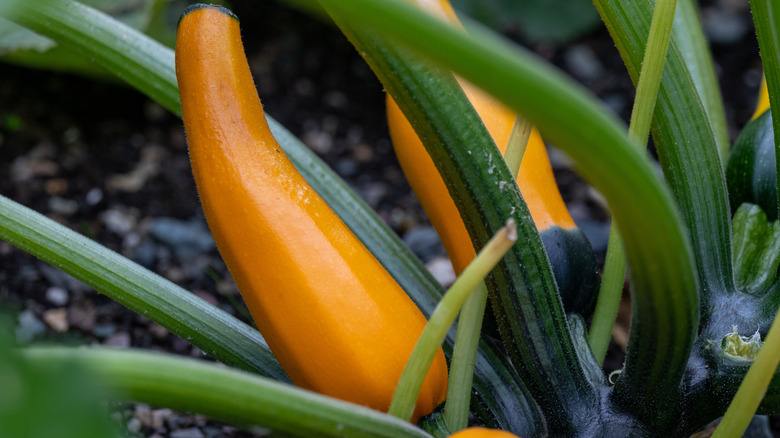
When growing squash, one of the biggest struggles a gardener can face is squash bugs. These critters are dang near impossible to get rid of once they infest your garden. Marigolds were shown to effectively deter squash bugs in a study conducted by Iowa State University, which is great news for those of us looking for a solution. A squash bed without squash bugs means better production and healthier plants because of reduced stress and less pest damage.
Carrots
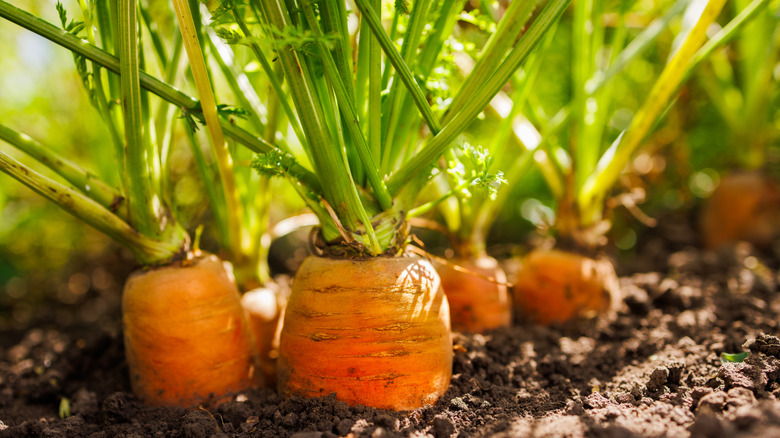
Because carrots are a root vegetable you would be correct in assuming that one of the top pests to worry about is nematodes. But one of the more infamously known carrot crop destroyers is rabbits. And yes, marigolds can help deter both of these critters. Their strong scent not only masks the smell of your carrots from impeding invaders, but it also makes your garden bed unappealing to them. Plant marigolds around your carrot bed and you won't be up at night worried about critters destroying your tasty carrots.
Onions
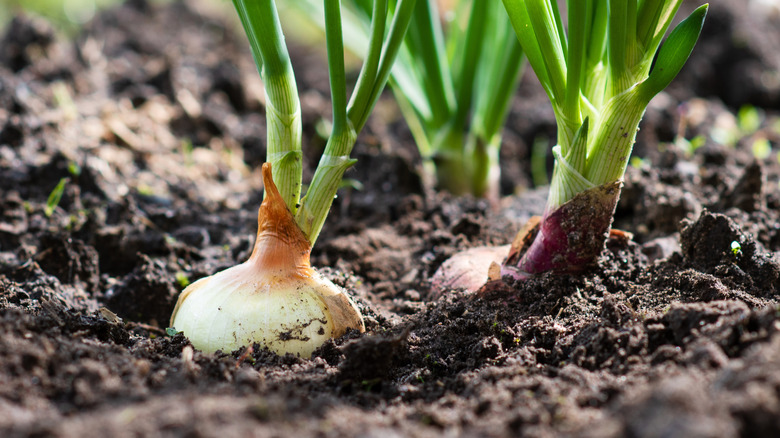
Like many of the other root crops on our list, onions are threatened by root-knot nematodes. While marigolds are known to protect against these nematodes, they also protect onions from onion flies and aphids due to their strong odor. Planting marigolds around your onion rows or beds will keep your soil free of pesky nematodes and help your onions flourish. Another added benefit is that marigolds can shield the soil from the sun, helping prevent weeds from taking over your onion bed.
Cabbage
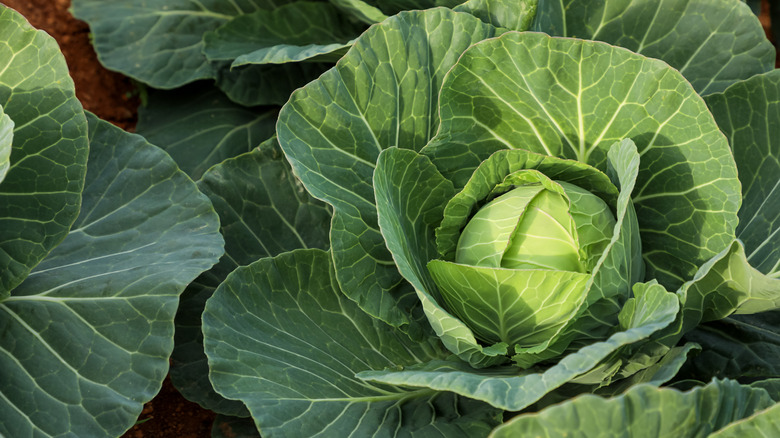
Cabbage plants are vulnerable to a lot of different critters besides aphids. They can be destroyed by cabbage moths, slugs, and rabbits. Cabbage benefits greatly from marigolds due to this flower's ability to ward off multiple varieties of invaders with its strong odor. With the pests at bay, cabbage plants can thrive and have time to grow healthy and big. Plant a few marigolds between your cabbage plants and watch your garden produce like never before.
Broccoli
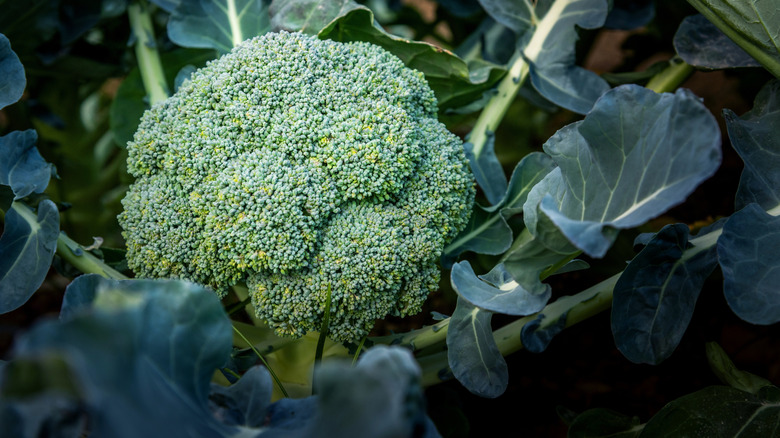
Poor brassicas like broccoli just can't catch a break. If it's not cabbage moths or yellow-striped armyworms, it's rabbits destroying them before they've had a chance to reach maturity. Thankfully, marigolds planted around the border of your garden, near your broccoli can keep these pests at bay. They will also help keep weeds from taking over, ensuring your broccoli has a fighting chance for optimal output.
Melons
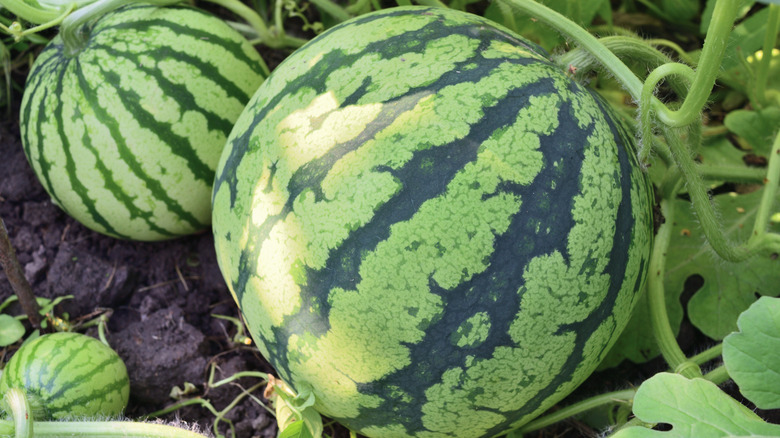
There is nothing worse than planting watermelons in your garden in anticipation of a juicy summer treat only to find they have been destroyed by pests. Marigolds planted around your melon patch can keep pesky insects away such as nematodes, aphids, rabbits, and squash bugs. The hero of summertime, this humble little flower will make sure nothing gets to your melons, so they can reach peak ripeness. Planting marigolds ensures your fruit crop has its best chance by attracting helpful pollinators.