

The Best Time To Order Bare Roots For Your Spring Garden Is Winter. Here's Why
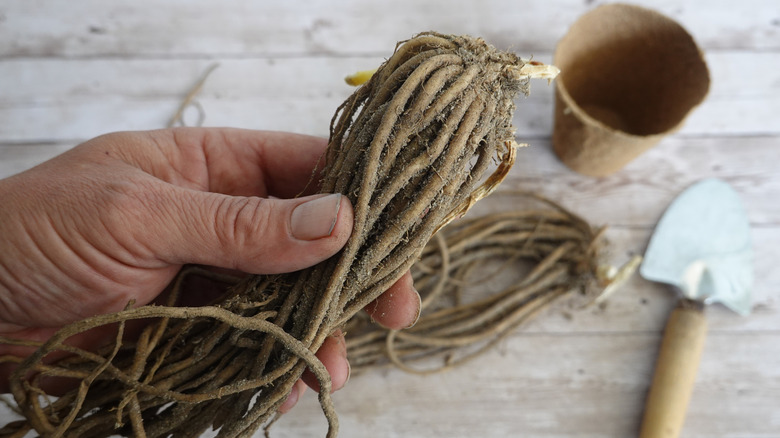
If you've never ordered bare root plants, you're in for a surprise. When they arrive, you might think there's been a mistake or you've been ripped off. It may look like the nursery has shipped a dead tangle of garden waste. You might wonder if this dead-looking thing will actually grow if you plant it. But the bare root plant in your hands is not dead, it's just dormant. Unless the plant has rotted in shipment or is otherwise diseased, it's ready to be planted and start growing. The key is to get it in the ground before it starts emerging from its dormancy and trying to produce leaves. That's why ordering your bare root plants in winter and planting them as soon as possible are important steps to successfully growing bare root plants.
Bare root plants are removed from the ground when they are dormant. The soil is shaken off the roots, leaving them bare. Being lighter, they are easier and cheaper to ship and thus the most economical way to buy plants. You are not paying for someone else's soil, a plastic pot, and a couple of years of someone else's labor spent growing the plant in a container, so buying bare root plants is an affordable way to add roses, fruit trees, berry plants, and others to your garden. The challenge with bare root plants is that soon enough, they will emerge from dormancy and be eager to break their winter fast with some "breakfast" — nourishing soil and water. Let them starve at that point and you will indeed have a dead plant in your hands. Getting them in the ground promptly is important for their survival.
How to select and grow bare root plants
Obtain your bare root plants from a reputable nursery or garden center and inspect them when they arrive. They should arrive without broken or rotting roots, with a root system that's firm and packed in a loose, moist, sterile medium like sawdust or moss. The stems of the plant should contain green buds from which new branches will grow. You should get your bare root plants in the ground within two weeks after they arrive. They are dormant, so planting them in cold soil is preferable; otherwise, they may start emerging from dormancy too quickly. If you're unable to plant them, store them in a cool, dark place, at around 32 to 42 degrees Fahrenheit, like a refrigerator or unheated garage. Keep the packing medium moist but not dripping wet.
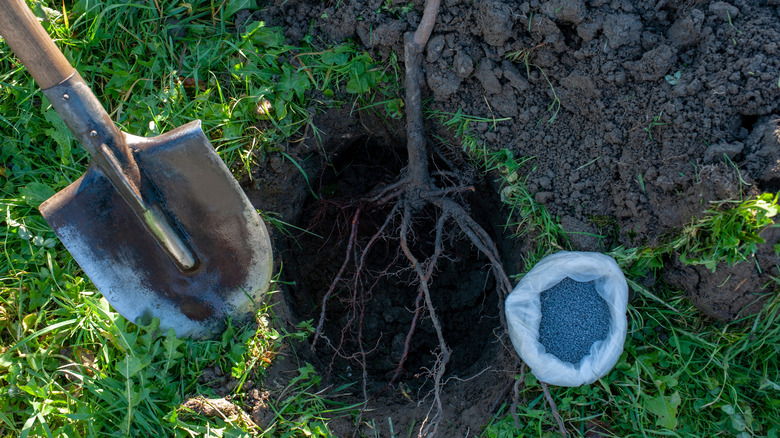
It's not difficult to plant bare root trees in your yard. You can even plant bare-root hedges and shrubs, as well as smaller plants like strawberries, peonies, or asparagus. Remove the plants from their packaging, use clean, sharp shears to trim off any broken roots or branches. Loosen the roots, then soak the plant for 15 minutes up to 2 hours (for thicker, woodier plants) in lukewarm water. Dig a hole ample enough to easily fit the plant, make a cone of soil to allow for the roots to spread, place the plant on the cone, backfill the hole three-quarters of the way, then water in the plant. Once the water filters through the soil, fill the rest of the hole completely and pack it in. Water again, then add an inch or two of mulch or compost to help the plant retain moisture. Water frequently until the plant is well established.