

The Major Benefit Of Living In A Tin House, Besides Its Rustic Charm
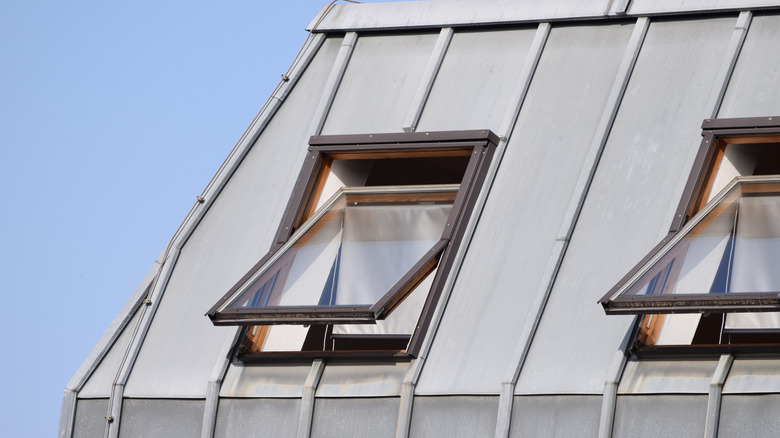
Tin houses may be known for their weathered patina and nostalgic character, but there's more to appreciate than just their looks. These metal-clad dwellings are championed for their durability, attracting homeowners who want long-term strength without sacrificing style. That's because, when compared to other types of house siding worth considering, tin homes, a term used nowadays to describe metal-clad homes more broadly, stand out for how well they hold up to the elements. While the actual use of pure tin in construction is rare today, "tin" remains a shorthand for structures made with other metals like steel or aluminum, and these structures prove a solid alternative to traditional brick and mortar.
Not all metals behave the same in construction, but many offer impressive resistance to corrosion, fire, and moisture. Modern metal roofs, and in particular rust-resistant metal roofs, are known for their longevity and resilience, able to withstand everything from strong winds to extreme heat. These qualities make so-called tin homes a simple, unassuming choice, yet one that's been trusted for generations. As early as the 1800s, tin was used in construction, a practice that grew in popularity thanks to galvanization, a process of coating metals that helped to prevent rust and popularize metal construction. So, while vintage appeal is part of the charm, today's tin homes reflect a tradition that has stood the test of time — literally.
The durability of tin has been trusted for years and now it's making a comeback
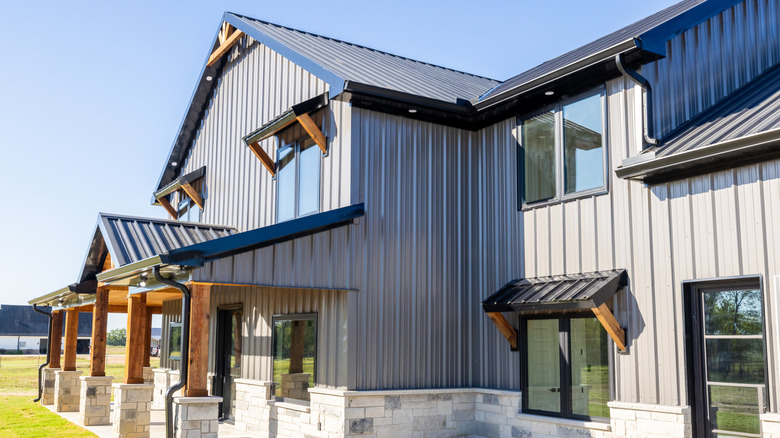
While often associated with rustic charm, tin homes are far from a fleeting trend. In fact, they've long been part of America's architectural fabric, especially in working-class communities where practicality defined early 20th century house styles. From their corrugated siding to their simple silhouettes, these homes prioritized function. Now, decades later, that function has proven its staying power thanks to renewed interest in metal homes. It's not just for their throwback appeal, but because they're quicker to build, offer flexible layouts, and cost less to construct than many conventional homes.
Most of all though, metal homes are touted for their durability, which goes beyond weather. Resistant to rot, termites, and mold, these homes also help ward off nature's critters, a low-maintenance bonus that keeps them looking and performing their best for years. That longevity extends to the roofline, too. Tin roofs offer durability and eco-friendliness while preserving a classic look. They can last between 50 to 75 years, easily outpacing many traditional materials. They're also reflective, helping to bounce heat away and keep interiors cooler in summer, which supports long-term energy efficiency. Add in that these metals are less likely to crack and have non-combustible properties, which are both ideal for fire-prone climates, and they triumph as a material for the roof and the walls for obvious reasons. Heritage and hardiness come together, making tin (as we know it today) a stylish and durable choice from the top of your home to the bottom.