

Cities Are Banning Artificial Turf. Here's What To Know Before Installing It In Your Yard
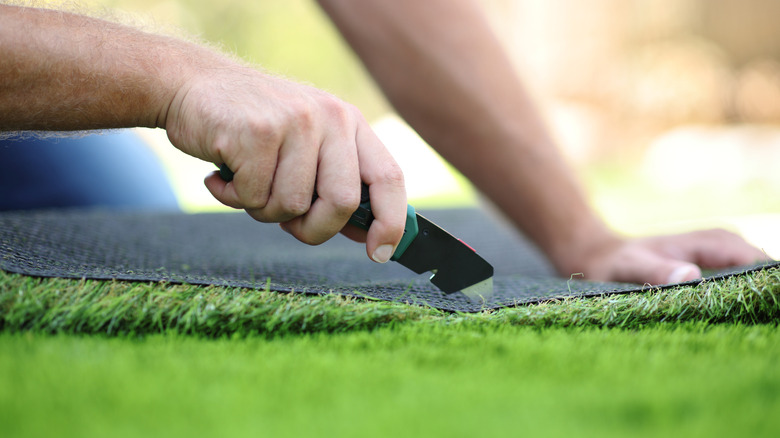
Your neighbor may have spent thousands on a pristine plastic lawn to escape the endless cycle of mowing and watering, but that investment could soon be a thing of the past. While homeowners once viewed synthetic grass as a good solution for staying green during a drought, city councils across the country are now passing strict ordinances that prohibit new installations. Many local governments in states like California, New York, and Massachusetts have reversed their previous support due to growing evidence that they negatively impact the environment. When weighing the pros and cons of installing artificial grass, you should confirm whether installations are permitted in your area.
These bans are often because of the discovery of perfluoroalkyl and polyfluoroalkyl substances, commonly called "forever chemicals," found in plastic turf components. These substances don't break down and can eventually contaminate local water supplies via runoff. Aside from the legal issues, the actual experience of owning a synthetic lawn is changing as record-breaking summer temperatures make these plastic surfaces sometimes too hot to use.
Why is artificial grass so hot during the summer?
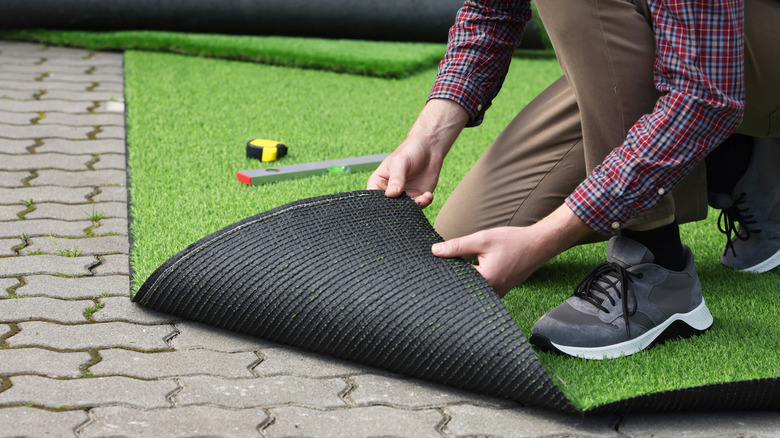
There are a few downsides to artificial turf, and one has to do with surface heat. Stepping onto a synthetic lawn on a sunny afternoon can feel like walking across a hot frying pan because the materials don't have the ability to cool themselves through evaporation. Unlike living plants that release moisture to lower the surrounding temperature, polyethylene and polypropylene fibers absorb solar radiation and trap it. According to a study by Brigham Young University, when air temperatures reach 98 degrees Fahrenheit, plastic turf surfaces can exceed 200 degrees. This extreme heat creates a phenomenon known as an urban heat island, where residential blocks stay significantly warmer than areas with natural vegetation.
For families with children or pets, this creates a safety hazard as the intense surface heat can cause painful burns or singe animal paws. Even if you try to spray the area down with a hose to cool it off, the temperature drop is only temporary, and often uses more water than a traditional lawn would require. Over time, this constant exposure to high heat causes the plastic to degrade faster, which releases microplastics into the air and soil. These tiny particles eventually migrate into the local ecosystem, causing long-term damage that far outweighs the convenience of skipping a weekly mow.
Living alternatives to synthetic lawns
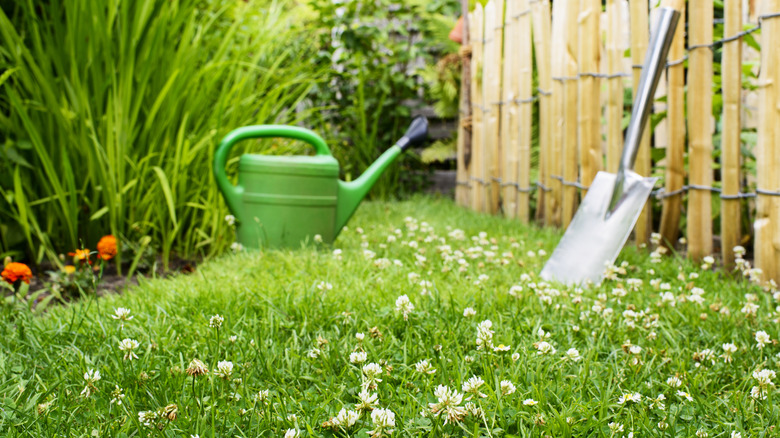
If you live in an area that has banned artificial turf and you want a lawn that stays green, planting a clover lawn (Trifolium repens) offers a resilient and eco-friendly choice. However, there are a few factors to consider. White clover grows well in USDA Hardiness Zones 3 through 10 and provides a soft carpet that naturally stays much cooler than any synthetic material. This plant actually improves your soil because it pulls nitrogen from the air and deposits it into the ground, reducing the need for chemical fertilizers.
For those living in warmer climates where water conservation is a major priority, choosing a drought-tolerant native grass like buffalo grass (Bouteloua dactyloides) works well, and it thrives in USDA Hardiness Zones 4 through 8. These living alternatives support local pollinators and allow rainwater to soak naturally into the ground rather than pooling on a plastic backing. While synthetic products eventually end up in a landfill because they're impossible to recycle, a living yard continues to capture carbon and provide a habitat for beneficial insects. Switching to a mix of clover and native grasses allows you to enjoy a low-maintenance yard that follows the local regulations while keeping your outdoor space comfortable for bare feet.