

8 Quick & Easy Ways To Defrost A Frozen Door Lock During Winter
We may receive a commission on purchases made from links.
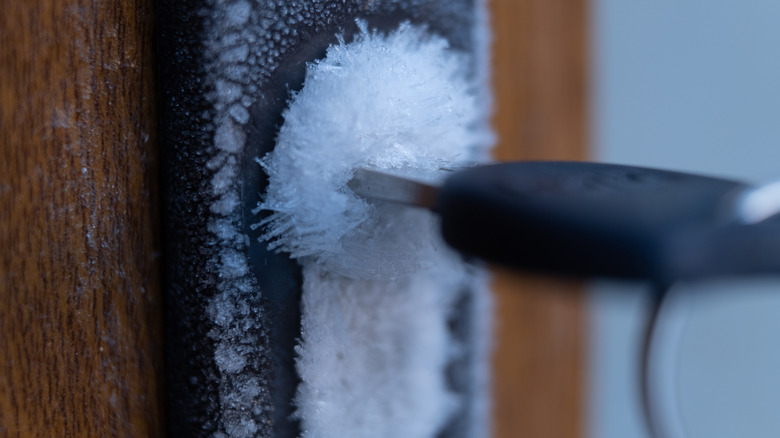
As temperatures drop, snow and ice creep up around your home and start causing issues. One common winter headache is dealing with a frozen lock on your front or back door. The last thing anyone wants is for the frost and ice to make them late for work or trap them outside in the cold. Luckily, you don't have to call the locksmith right away. There are several reliable and safe methods for defrosting a frozen lock, many of which use household items you likely already have.
Quickly defrosting a frozen lock doesn't need to be complex. By using any of these methods for melting ice, you can defrost your lock efficiently, protect it from damage, and get on with your day. These methods range from using common household items such as hand sanitizer to grabbing a specialized de-icer spray. If you're facing a frozen lock at home on a cold morning or after a snowstorm, these methods provide effective ways to address the problem and avoid being locked out in harsh weather conditions.
Use a commercial de-icer spray
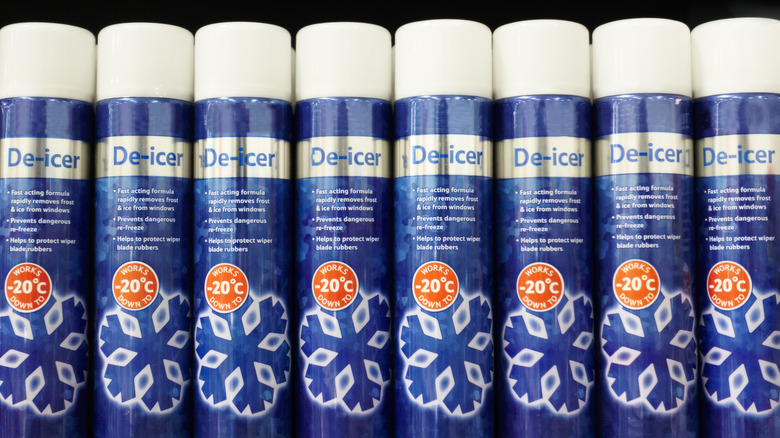
When there's a problem around the house, you can always count on a specialized tool to take care of it. In the case of a frozen lock, that tool is a can of de-icer spray. These products contain alcohol to lower the water's freezing point and a form of lubricant to loosen things up. Keep a small can of de-icer, like CRC 12-Ounce Ice-Off De-Icer, in your bag if you anticipate a lot of snow and ice this winter.
Apply hand sanitizer
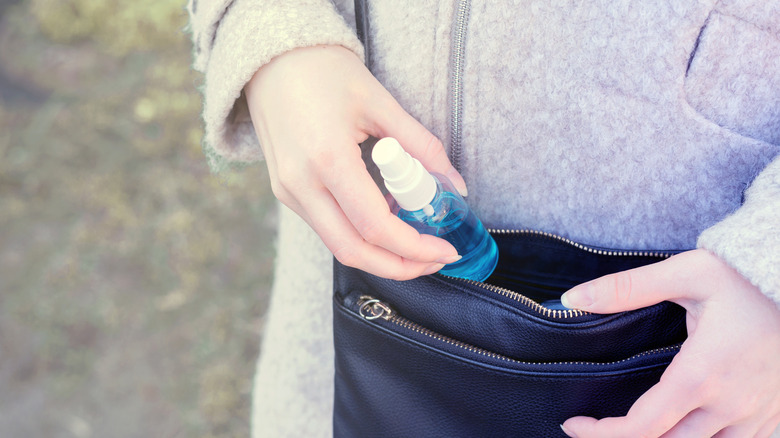
That bottle of hand sanitizer at the bottom of your bag may rescue you from a frozen lock. The alcohol in hand sanitizer lowers the freezing point of water and helps melt ice instantly. To use this method, apply a small amount onto the key itself, insert it, and wiggle it until the ice loosens and you're able to turn the key. Although hand sanitizer's gel-like consistency makes it easier to insert into locks, any other form of rubbing alcohol will also work.
Heat the key before inserting
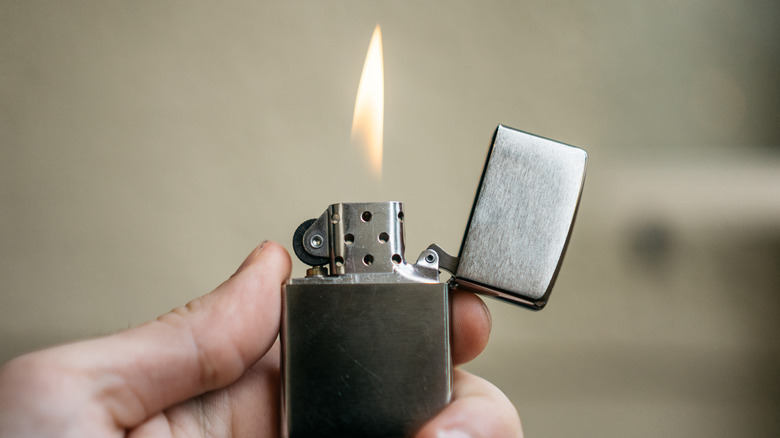
If you have a lighter on hand, you can use this method, but it can be dangerous unless you exercise proper precautions. Warm the key for just a few seconds, test it, and repeat as needed, taking care not to overheat it or touch the heated section of the key. Avoid applying flame directly to the lock, as this can damage the door or pose a fire risk.
Use a hair dryer
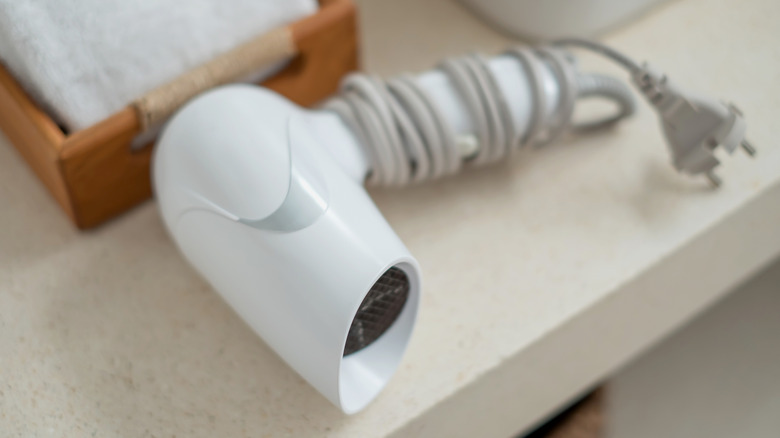
This method works if there's an outlet nearby. If you have access to a hair dryer or heat gun, put it on a warm heat setting, and aim it a few inches away from the lock. Be especially careful with a heat gun, using only low, small amounts of heat. You want to avoid getting too close to the lock because you might cause damage to the locking mechanism. Keep blowing warm air on the lock until you're able to turn the key.
Use a graphite lock solution
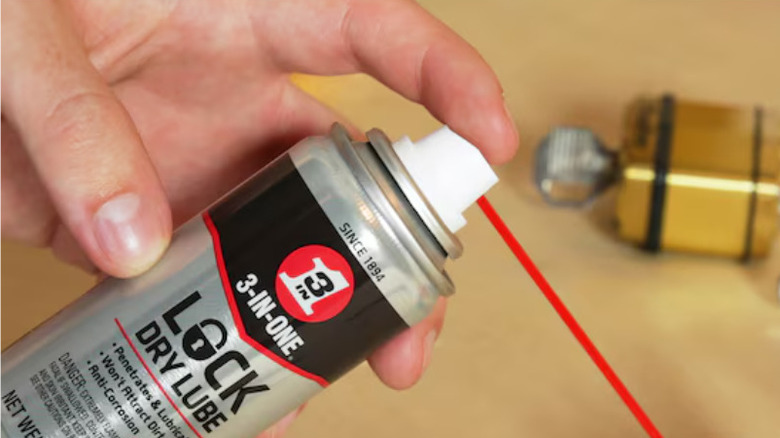
Graphite lock sprays work just like WD-40 and other lubricants to loosen up a frozen lock. If this is a common issue for you, you might want to keep a can on hand. To use this method, hold the nozzle about 12 inches away from the lock and cover the entire lock. Then, using a pair of pliers or your key, move the locking mechanism back and forth until you can successfully turn the key.
Spray some WD-40
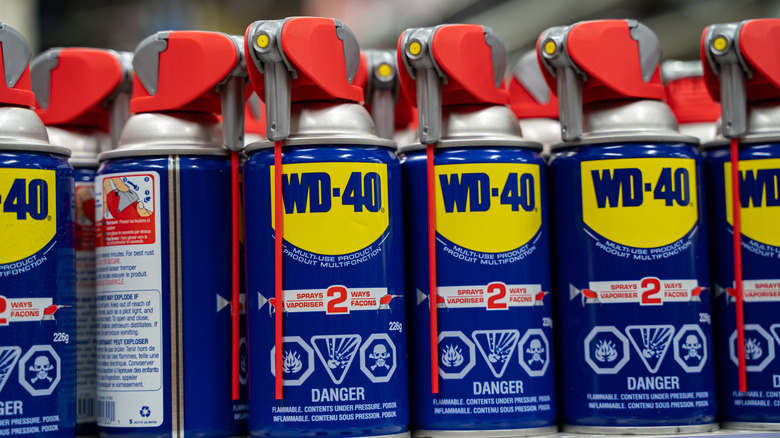
There are more ways to use WD-40 at home than just fixing a squeaky door hinge. Lubricant sprays act as water displacers and can help loosen up ice and reduce friction in a frozen lock. Just insert the nozzle, apply a small amount of product, and move the key around until you can turn the lock. While lubricant sprays like WD-40 work in a pinch, these products should only be used sparingly. With frequent use, it can accumulate in the lock and attract dirt.
Use your body heat

If you have no other resources available to help you thaw a frozen lock, the warmth of your own breath or body heat may do the trick. The key to using your breath successfully is to keep the heat in by cupping your hands around the lock. Then, continue to blow warm air onto the lock until the ice melts and you're able to turn your key. You can also use your body heat to help melt the ice just by holding your hands around the lock.
Try a warm compress
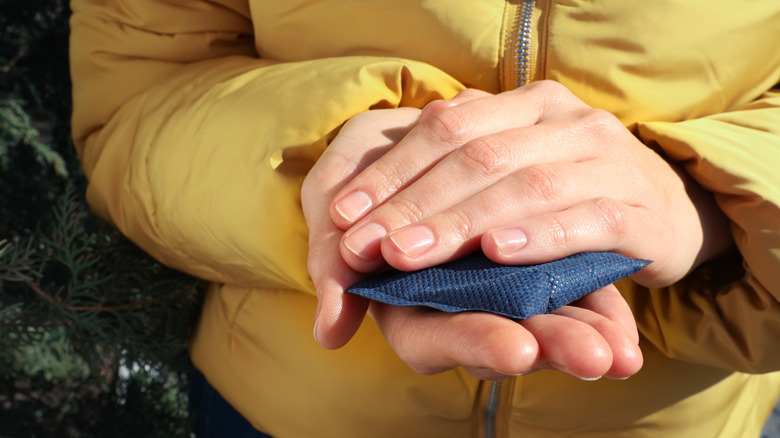
If you have a warm compress handy, you can spare your hands and lungs as you defrost your frozen lock. For this method, press a heating pad, hand warmer, or hot water bottle to the frozen lock before trying to turn it. Repeat the process until the ice melts and you're able to insert and twist the key. This method is especially useful for heavy-duty locks that benefit from gradual warming.