

8 Types Of Bird's Nests You Should Never Remove From Your Yard
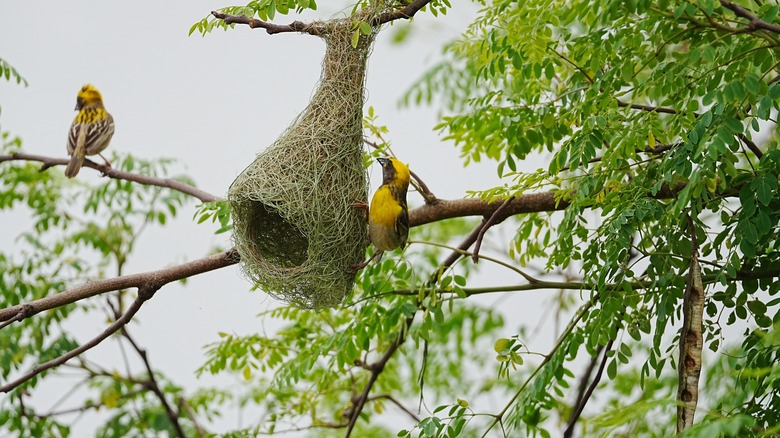
Finding a bird's nest in your yard can be a thrilling experience, particularly if you've set up a protected bird feeding station with everything they need to thrive. You can grab your binoculars and settle in for weeks of watching adorable baby bird antics as they hatch and learn to fend for themselves. But what should you do if there's a bird's nest in your garage, in your gas grill, or in another dangerous or inconvenient area?
First, you need to understand the laws that apply to birds' nests. The Migratory Bird Treaty Act, the Bald and Golden Eagle Protection Act, the Migratory Bird Conservation Act, and other relevant laws prohibit you from moving active nests or eggs of many bird species. You should also avoid moving nests that birds will reuse and those of endangered species. Along with protecting birds, consider your own safety as well. Avoid moving nests that are in dangerous places or are guarded by large birds of prey that may attack you. In most cases, your best option is to leave the nest alone until the fledglings leave, which is typically about 10 days after they hatch. While you wait, you can rope off the area around the nest to protect it. For a nest that's in such a perilous spot you fear the birds won't survive, call your local wildlife rehabilitator. They can come move the nest or advise you on what to do. If you're still unsure when it's okay to remove a bird's nest, here are eight types of nests you should definitely avoid moving.
Nests from endangered species
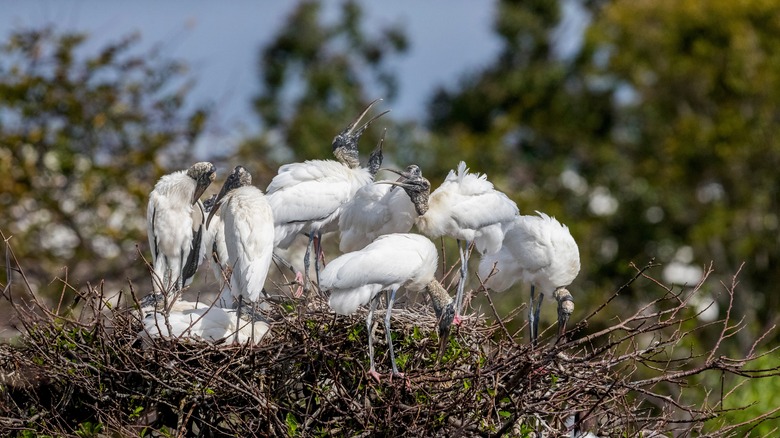
Some birds are extremely sensitive to any disturbance to their nests. They may abandon their nests and eggs if too many people get close to them. This is a serious problem for endangered bird species, as their numbers are already low. Many of these birds are endangered because of habitat loss. As a result, they may build nests in inconvenient places for humans. There are 89 species of birds that are considered endangered, and 269 are at risk of becoming endangered. If you see a nest from one of these birds in your yard, take measures to protect it, but avoid getting too close or disturbing it.
Migratory birds' nests
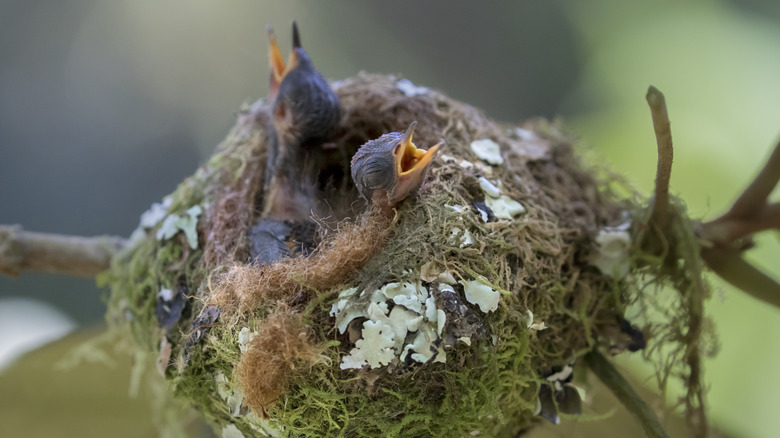
Migratory birds travel with the weather so they can take advantage of more opportunities to eat and find good nesting spots. They typically nest in the U.S. during the spring and summer and then migrate south for the winter. Migratory birds include common birds, such as warblers, ducks, hummingbirds, finches, and woodpeckers. Many of the songbirds you attract with your birdfeeders are migratory birds, so you shouldn't be surprised if they decide your yard is the ideal place to build a nest for their young. You can encourage them to build nests in safe, appropriate places by putting out nesting boxes and birdhouses, along with food and water.
Nests that are reused year after year
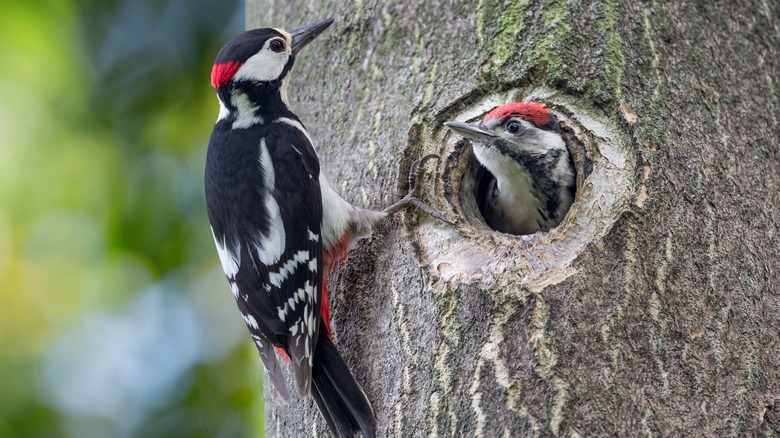
If you've ever seen the adorable sight of several tiny woodpecker heads poking out from a hole in a tree or fence post, you've seen a cavity nest. These hardworking birds excavate their nests, creating cavities that will shelter their young. Woodpeckers are examples of a species that reuse their nests from year to year, so moving them can make it more difficult for them to breed in future years.
Nests of aggressive birds of prey
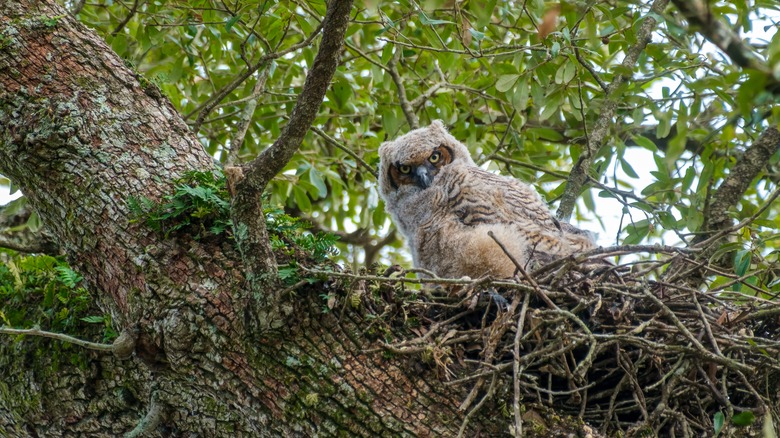
Most birds can be aggressive when they're defending their nests. However, a hawk can do a lot more damage if you attempt to move its nest than a starling can. Most of the time, you don't want to move birds' nests because it can be harmful to the birds. However, you need to consider your safety as well. Birds like owls and falcons can crush bones with their sharp talons. If you attempt to move their nest, one could attack you. The combination of speed and long claws makes them especially dangerous.
Nests you find early in the spring
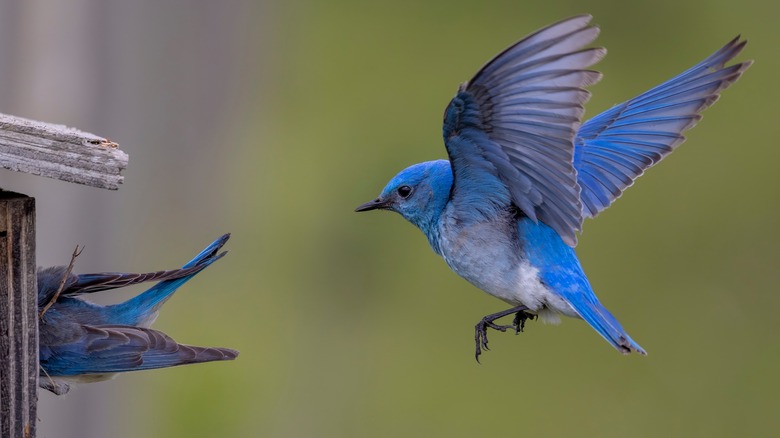
Migratory birds usually begin building their nests in the spring. After a long flight returning from migration, they spend a lot of effort setting up their first nest. If you find one early in the season, it may have just recently been built. Moving it can interfere with the birds' success in raising their first brood. Additionally, while most song birds don't reuse their nests, some do, and even those who don't may build a second nest on top of the first one if it's in a primo spot.
Nests on the ground
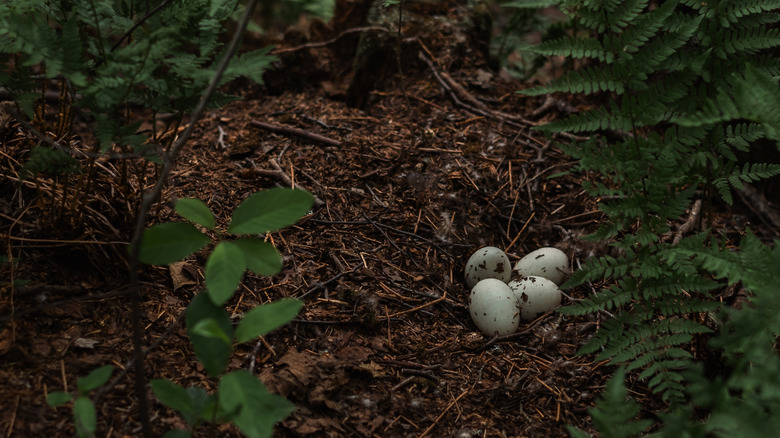
Although we tend to think of birds' nests as being high up in trees, some species, such as ruffed grouse, build nests on the ground. They rely on camouflage rather than height to protect their hatchlings from predators. The nests often look abandoned, but the parents are nearby, keeping watch. If a hungry animal happens to get wind of the chicks, the mother bird will signal for them to be quiet while she lures it away by pretending to be injured and therefore easy prey. It's best to avoid the area if you find a ground-level nest.
Nests that are in dangerous places
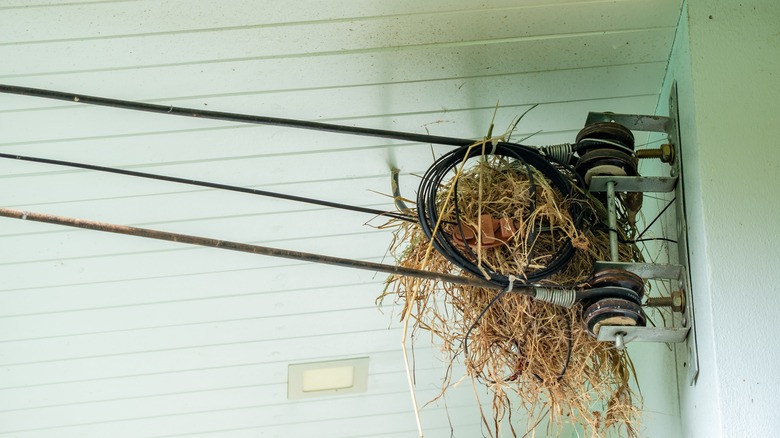
As with nests belonging to large, aggressive birds, you should avoid moving nests that are in dangerous places for your own safety. Birds of all species have been known to build nests in unusual places. You may fall and injure yourself attempting to reach nests that are high on lights or in the eaves of your attic. If you're worried a nest is in a spot that could harm the birds, call a wildlife rehabilitator for advice.
Any active nest
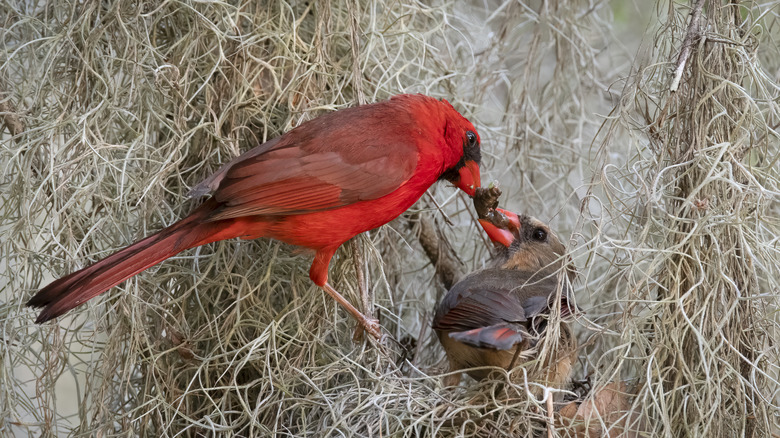
In some cases, you may be able to move a nest after it's been abandoned if it's in a bad spot. However, you should never attempt to move a nest that's actively being used. Just because there are no eggs or birds in a nest doesn't mean it's not being used. You can often tell if a nest is in use by watching the nearby birds. Birds may display behavior such as shredding nest materials, dive-bombing anyone who gets too close, or pretending to have a broken wing. All of these are signs of active nesting behavior.