

How To Prevent Pipes In Unheated Areas From Freezing In The Winter
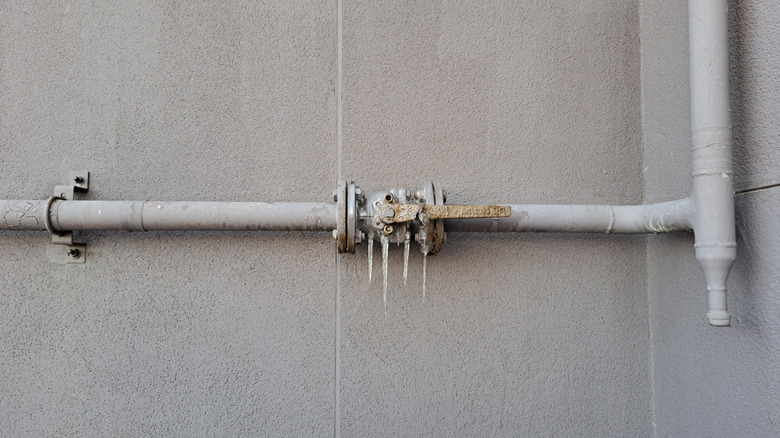
The arrival of cold weather brings with it concerns about what could happen if your pipes freeze. Frozen water pipes can leak, burst, and grow mold, all issues that may result in high repair costs. When the water inside the pipes freezes, it expands. This may cause the pipes to burst, resulting in significant water damage. To avoid property damage, preventing your pipes from freezing is a critical course of action. The pipes running along exterior walls and your outdoor spigots are, of course, most vulnerable to cold weather. However, water pipes located in unheated areas of your home, like attics, crawlspaces, basements, and garages, can also be affected. Don't wait until the temperature drops to protect your pipes — seal any cracks or gaps in those spaces as soon as possible.
The length of time it takes the pipes to freeze in the cold weather depends on their diameter and the materials they're made of. Outdoor temperature, wind exposure, and insulation (or a lack of it) also play a part. Perhaps obviously, water pipes in unheated areas of a home will freeze faster than pipes in heated spaces, even if they're insulated. The prolonged exposure to cold and drafts increases the risk of freezing, and you likely won't notice an issue until it's too late and you're dealing with low or no water flow. Unheated pipes indoors will, of course, freeze much faster — sometimes in just three hours (as fast as outdoor pipes) — in extremely low temperatures.
Seal gaps in unheated areas to protect pipes in the winter
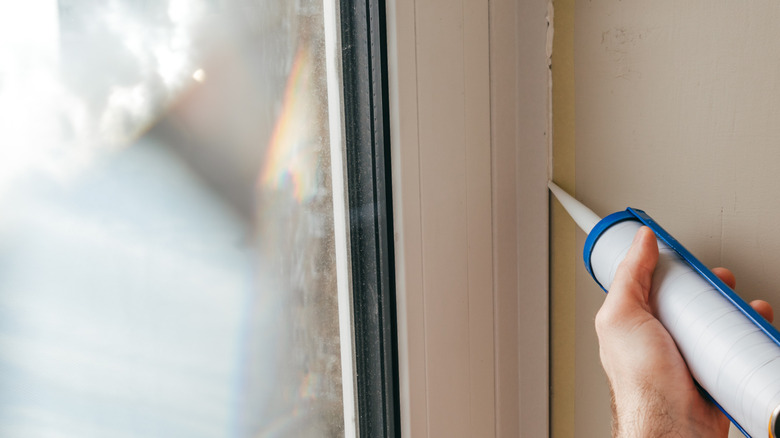
The best time to prep your home for cold weather is before the temperatures plummet — at least where preventing pipes from freezing is concerned. Cracks or gaps in unheated parts of a home increase the likelihood that water pipes in those areas will freeze. Cold air seeps in through these fissures, reducing the temperature in the space. That's bad news for your pipes.
First, make a list of all of the unheated areas of your home. They're most often rarely used rooms or storage spaces, like attics, garages, basements, and garden sheds. Then, visit each of those places and check them for exposed pipes, noting their location. Finally, walk the perimeter of the unheated area, looking for cracks or gaps as you go. They typically appear where pipes and cables enter your house from the outside, as well as around rim joists and window and door frames. The cracks can be hard to find, so make your way around the room slowly. Slivers of light or moving dust are often a clue.
Seal cracks with expanding foam or caulk. To use foam, shake the can well for about a minute and attach the straw adapter. Spray with the can upside down and fill the gap about a third of the way to halfway to allow for expansion. Use a product that is designed for exterior applications. When filling gaps around where cables enter the house, be sure to use a fire-rated spray foam or non-hardening electrical putty. Allow the foam to fully cure before trimming the excess foam. If desired, the hardened foam can be sanded and painted.