

Direction Matters In Home Design, These Downsides Explain Why
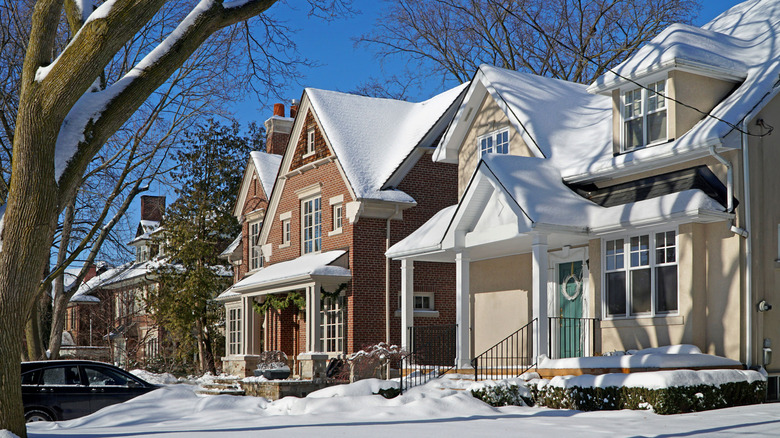
Your house's orientation, or the direction it faces, isn't changeable once it's built, but if you're building a new home, direction matters. Energy costs and livability are directly related to orientation, so it's an important consideration during the planning phase. Homes that literally rotate to face the sun when it's chilly outside or turn their backs when solar gain makes the living room too hot are available, but they're uncommon, and not everyone wants to live in a house that moves. Operating costs, livability, and sustainability are the top considerations for orienting a house once the lot is chosen. There are minor variables when it comes to choosing the direction your home faces, but in general, houses that face the sun can save as much as 40% on heating costs. This means that the downsides of improper orientation primarily include higher utility costs in order to keep indoor temperatures at a comfortable level and an increase in possible damage from snow and ice.
Passive solar design uses elements like a home's orientation, landscaping, window size and placement, and insulation to reduce energy costs. Even if your home isn't oriented in the optimal direction, you can mitigate some of the downsides, save money, and increase comfort by incorporating some green project upgrades in your existing home. Orienting your house so that it faces the sun allows you to reduce heating costs by using the free temperature increase the sun provides. Cooling costs are managed by an assortment of techniques that block the sun or reduce its effects. Ideally, a home heated or cooled using these principles has a way to distribute the inside air through fans or blowers, but even with a perfectly oriented home, there will be times when you'll benefit from a heat pump to supplement heating and cooling.
Why home orientation matters
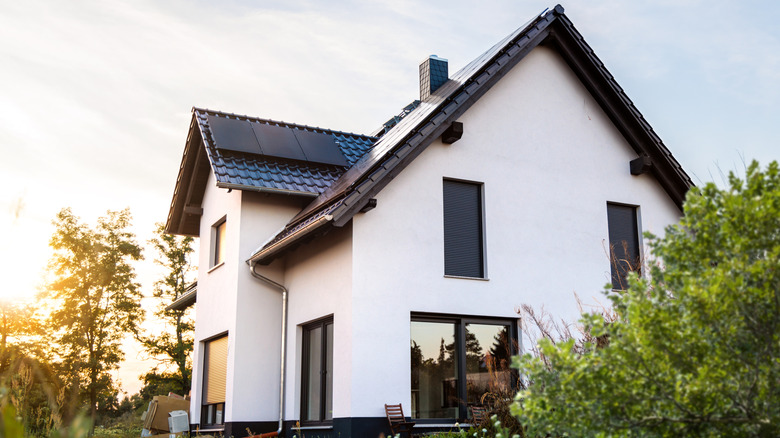
The sun doesn't follow the same track year-round, so there's no way to determine an exact direction your home should face, but the variables are typically minor. If the longest facades of the house, usually the front and the back, face north and south, you can temper the variables' effects on your home with design elements like roof overhangs and smaller windows. There are other considerations that might influence your choice. Houses that face south or east get the most sun, and that might translate into higher cooling costs in the summer. The outside of houses that face north in colder climates may suffer more snow and ice damage because of the absence of direct sunlight. Aside from energy cost considerations, the orientation of your house also affects your landscaping, potentially changing the ideal location for your garden or swimming pool.
The additional cost to orient and build a home optimized to benefit from passive solar is only about 3% on average, and you should easily recoup that cost in energy savings. But there will be circumstances where the building lot determines the direction the house faces, like a location that's always shady because of trees you can't cut down or one with mountainous topography. Ultimately, an area with extremes in temperature will probably rely heavily on traditional heating and cooling methods, no matter which way the house is facing, but correct orientation will definitely help.