

Turn 8 Common Garden Items Into Creative Planters And Plant Stands
We may receive a commission on purchases made from links.
While you can always buy a new planter or plant stand at your local nursery, you may want to browse the items in your garden first. Chances are, you have plenty of things lying around that you could DIY into a unique container with little effort. Bonus: You can save your hard-earned cash for a bigger purchase. There are a myriad of ways you can use old gardening tools and parts and garden product packaging as creative planters and plant stands — think ladders, gardening boots, tubs, buckets, plastic bottles, and more. You can, for example, give an old tire a new life as a stylish, rolling planter that's 100% you.
Begin by taking a good look around your backyard and rummaging through your gardening shed. Look for anything hollow, or anything with rungs you can balance planks on or plant directly into. Be as creative as you like with these DIY plant containers or stands. Some items can be used as is, while others will need a little touching up or adjustment before they'll support plant life. For example, if you want to use an old garden boot as a fun planter, you'll need to drill holes in the sole so water can drain away. You don't want your plants to develop root rot in soggy soil. Once your item is plant-ready, you can show it off in your garden as a fun new plant display.
A ladder
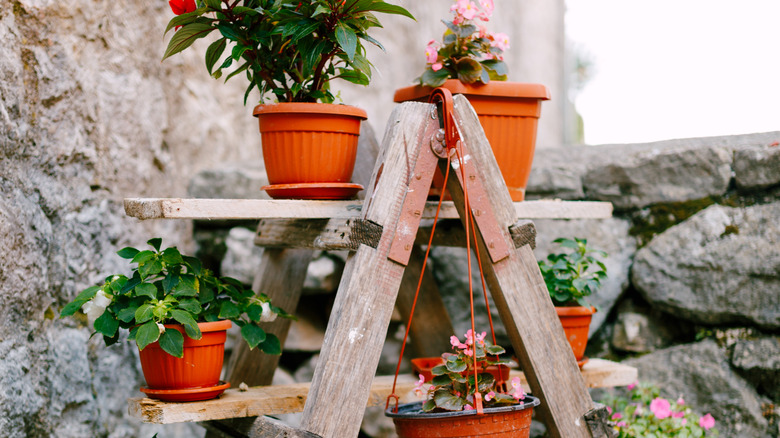
Seen ladders turned into blanket or towel racks? Similarly, you can create a stunning ladder DIY that creates the perfect place to put hanging plants — or standard plant pots — indoors or out. If you want to use an outdoor ladder as an indoor plant stand, clean it thoroughly. You don't want to bring any pests or dirt inside. Add a coat of paint if you wish. If you have a straight ladder, lean it against a wall or, indoors, hang horizontally from the ceiling with anchors. Thread planks through the rungs of an A-frame ladder to create shelves.
Gardening boots

One of the classic garden DIYs is transforming an old rubber gardening boot into a planter. It's almost a rite of passage for gardeners at this point. First, remove any liners or insoles. Then, before adding any soil, you need to create a way for water to escape the waterproof boot. The fix for this problem is simple: drill several small holes in the sole of the boot. You'll also need to fill the foot of the boot with something heavy to ensure it stays upright, like rocks or sand. Finally, you can add soil and a plant.
Wheelbarrow tires
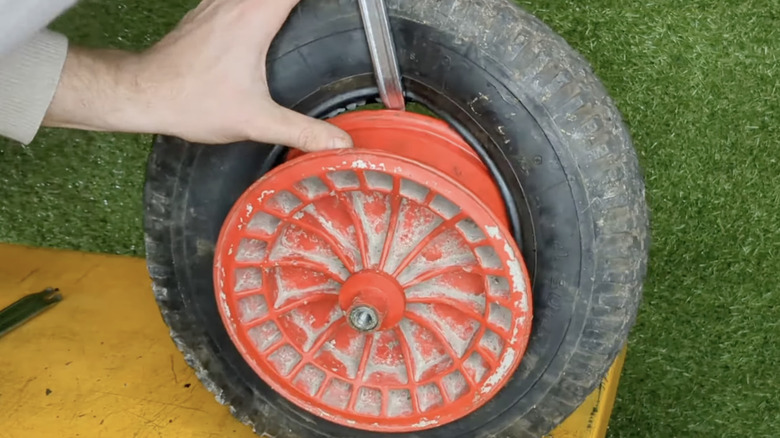
Want to make a DIY tire planter but don't have an old car tire on hand? If your wheelbarrow tire has seen better days, change it and transform the old one into a fun, quirky pot. Remove the wheelbarrow tire from the rim using a pry bar or a screwdriver. Take out the inner tube, then clean the tire with soap and water. Allow it to dry completely. Add a coat of paint to the exterior or simply place it in position in your garden, fill it with soil, and add some ornamental (never edible) plants.
Buckets
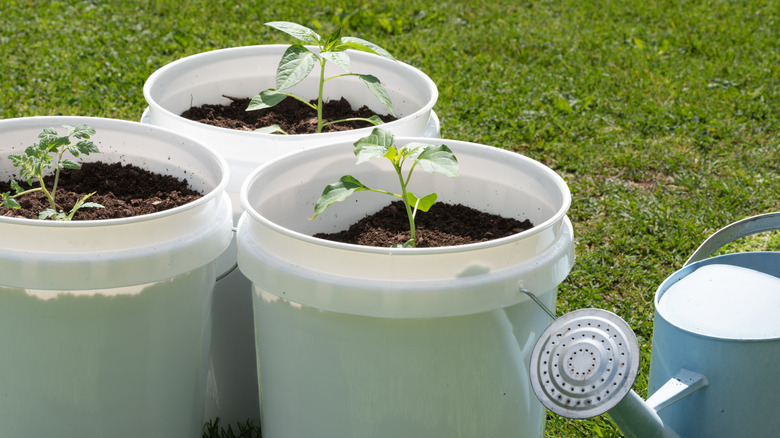
If you get your Nature's IQ Neem Meal Pellets or Earthborn Elements Washed Sand in plastic buckets, you can reuse the packaging as garden planters. Five-gallon buckets are the most popular for planters due to their compact width and adequate depth. Before you add your soil and plants into the bucket, flip it over and drill a few holes in the bottom for drainage. You can also decorate the exterior with a coat of paint or burlap wrap. Note that you should avoid buckets that were used to store items like tar, pesticides, or anything hazardous.
A wooden pallet
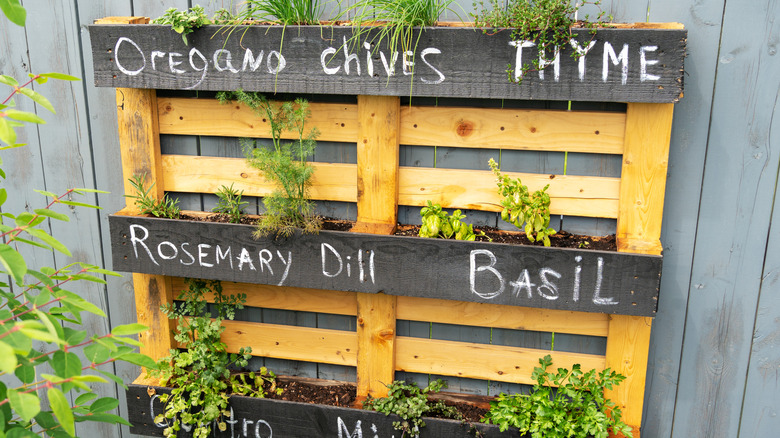
Recently ordered a Miracle-Gro All-Purpose Garden Soil Bulk Pallet? Remove the bags of soil and put that pallet to good use by starting an herb garden or creating a flower display. It's surprisingly easy to upcycle a wooden pallet into a chic planter box that upgrades your outdoor living space. When leaned or hung on a wall, pallets make excellent vertical gardens. Line the shelves with landscaping fabric, stapling it in place. Fill the pockets with soil and add in your plants. Alternatively, lay a pallet flat on the ground and plant inside the rows.
A galvanized tub
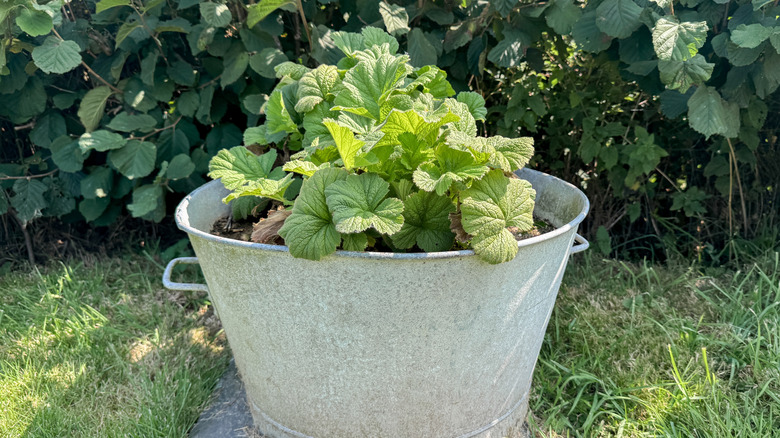
While not a specific gardening item, galvanized tubs were once a standard feature of backyard life. They were used to carry everything from water for the plants to fresh-picked vegetables, and were a staple in outdoor laundry. Today, they're often used as a decorative storage bin for firewood or party drinks, but these durable steel containers also make excellent outdoor planters. They're large and are typically corrosion-resistant. Before you add your soil and plants, clean the tub and add drainage holes using a drill or a hammer and screwdriver.
Plastic bottles
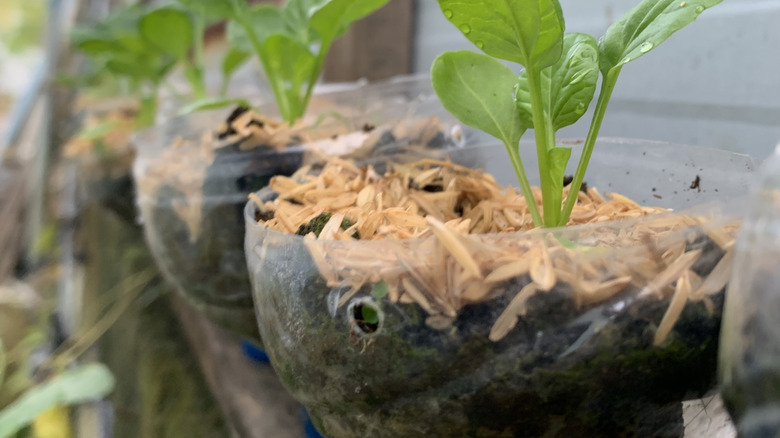
Don't toss the used plastic bottles from that Ez-Gro All-Purpose Fertilizer or Bonide Garden Rich Root Stimulator into the trash. Give them a new life as pots for small plants or succulents. Wash and rinse the bottles to remove any residual product. Using a sharp knife, cut a rectangle into the side of the bottle, which will serve as the planter's opening. Then poke a few drainage holes in the bottle's sides. If you want to hang this makeshift planter, add more holes for twine. Now you're ready to add soil and plants.
A watering can
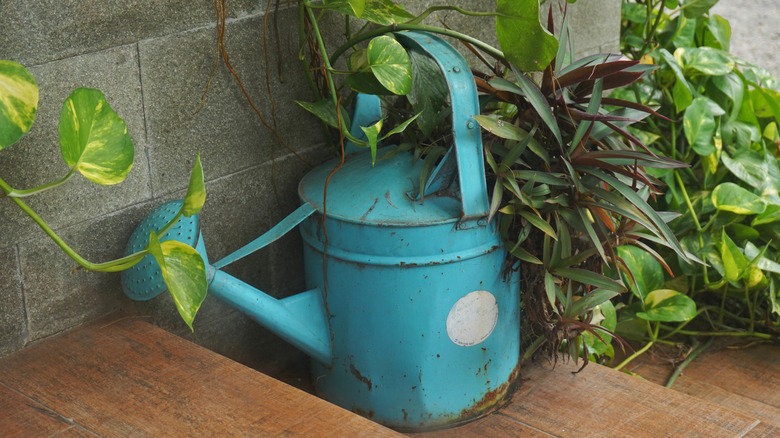
Last but not least, you can easily turn one of the most basic gardening tools — your trusty watering can — into a planter. This is ideal for old metal watering cans that don't get much use or that leak badly. They have a distinctive vintage vibe. First, wash the can with gentle soap, water, and a scrubbing brush. It will need some drainage holes at the bottom — create them using an electric drill before adding the potting mix. Fill the container to the brim with soil and add an ornamental plant of your choice.