

Don't Throw Out Your Dead Plants This Winter - Use Them To Make Nutrient-Rich Compost
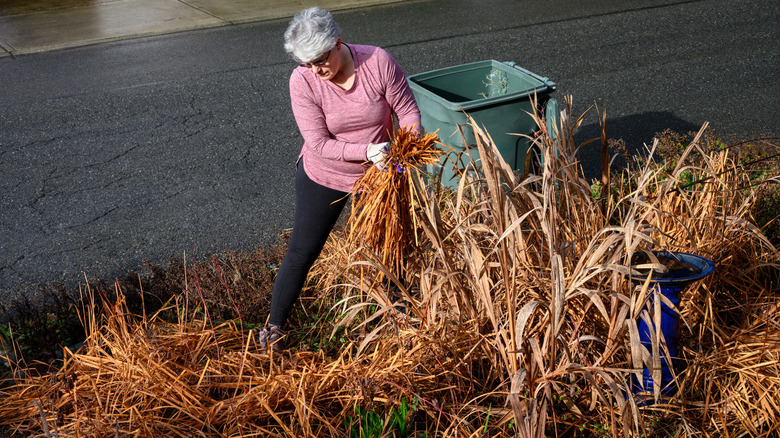
As pretty as a snowfall can be, cold weather has a way of making your garden or yard look tired and in need of a reset. Garden beds filled with dead plants can look and feel cluttered and unkempt once the growing season ends. During this time of year, it's common to focus on making more room and getting your outdoor areas cleaned up. Once plants die back, you might think that they've reached the end of their usefulness. Although dead plants should be removed, they can sometimes be reused rather than just thrown away. If you enjoy composting, you may be glad to learn that with a little care, some dead plants can be added to your compost for future use in the garden. It's important to note that only certain types of yard and garden waste are suitable to use safely, and there are some plants you should not add to your compost.
In many home gardens, plant debris like dried leaves, faded flowers, grass clippings, and nonwoody branches can usually be composted with no problems. This kind of debris is easier to manage in compost because it breaks down at a steady pace and blends well with other compost ingredients. These types of yard waste are common in most yards after cleanup, which makes them easy to gather and sort. There are types of plant debris that may cause problems if they're added to your compost pile and should be avoided. Never compost your plant if it may carry pests or disease, as well as plants that spread quickly or can regrow from small pieces.
How to compost dead plants the right way
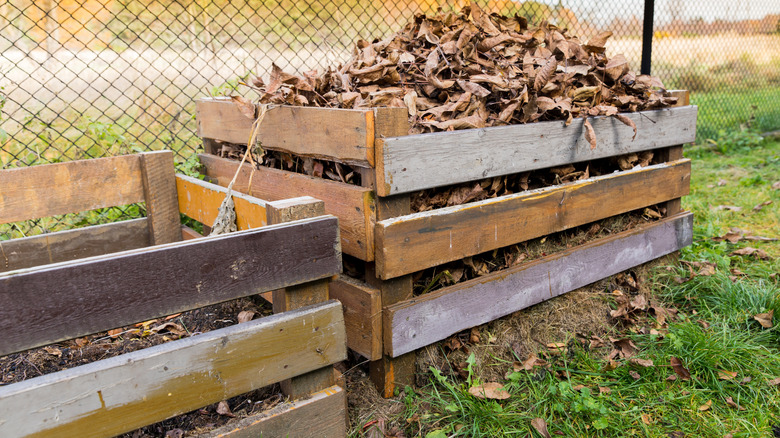
When deciding what to add to your compost pile, taking a look at the condition of each plant is an important first step. Plants that were healthy throughout the growing season are usually safer choices for composting, along with nonwoody cuttings and grass clippings. Starting with healthy plant material can lead to compost that's rich in nutrients and more beneficial for your garden. Combining healthy plant debris with other compost materials helps support a consistent breakdown in the compost pile. These additional materials can include paper, cardboard, fruit and vegetable waste, coffee grounds, and small amounts of cow, horse, or chicken manure.
A little preparation goes a long way when adding plant and yard debris to your compost pile. Shaking off loose soil and cutting larger plant debris into smaller pieces can help speed up the composting process. These steps make it easier to add new materials to your compost pile as the season goes on. When materials are added the right way from the beginning, your pile is much less likely to develop problem areas. This reduces the need for repeated adjustments as the composting process progresses. Keeping compost loosely packed and evenly distributed helps improve airflow and prevents clumping as everything breaks down. Good airflow can also reduce the chance of odors developing. This kind of careful preparation helps create nutrient-rich compost so you can reap the benefits of composting at home in the next growing season.