

Always Keep Your Tea Leaves. Here Are The 12 Plants That Love Them

Whether you're holding on to a warm cup of tea in the chilly winter months or staying cool with an iced tea in the summer, be sure to save those used tea leaves for the garden. You're not the only one who can benefit from that delicious brew. It turns out that tea leaves contain nutrients, like nitrogen, that can boost soil health. In the garden, it aids in aeration and moisture retention of soil, it accelerates the decomposition process in the compost bin, and even keeps unwanted pests away, like aphids and beetles. But before you go wild tossing all your old tea leaves across every inch of your garden bed, make sure you're only using it on acid-loving plants, like roses and ferns. The tannins inside tea leaves lowers the soil's pH, thereby raising the acidity level, which some plants love and some definitely do not.
There are several ways to share tea leaves with your plants. Add used tea leaves to your compost bin for a boost of nitrogen. It really is the secret ingredient that'll make your compost richer than ever. Alternatively, sprinkle some tea leaves directly around the base of the plant. Less is more in this case though, as an over acidic soil can be problematic. Another option is to brew the leaves a second time and use the tea to water the plant, being sure to let it cool first before watering. Used tea leaves are also a good material to mix into a mulch that spreads across the base of the plant.
Roses
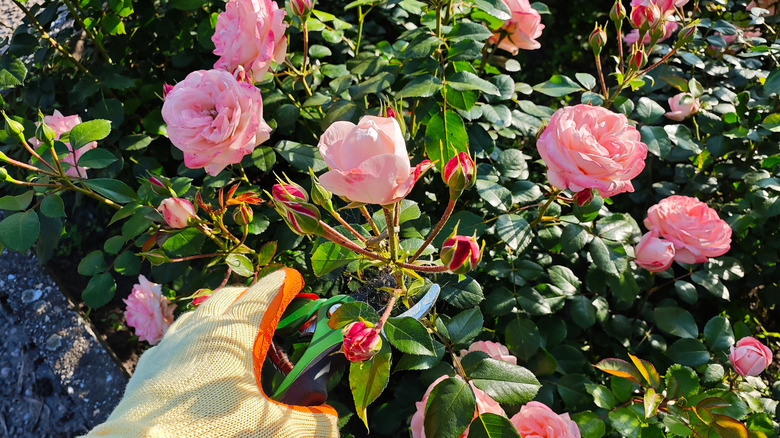
Roses (Rosa spp.) require a well-drained soil with good air circulation and high in organic matter. Amending the soil with a tea leaf-infused compost can help aerate the soil, ensuring adequate room for the moisture to drain through and avoiding soggy roots that can ruin a rose bush. If your rose bush is one of the types of plants that need mulch in the winter, add the used tea leaves to the mulch, creating a nice organic matter that will keep your roses growing strong. It will also give the soil a slightly acidic touch, which roses love.
Rhododendrons
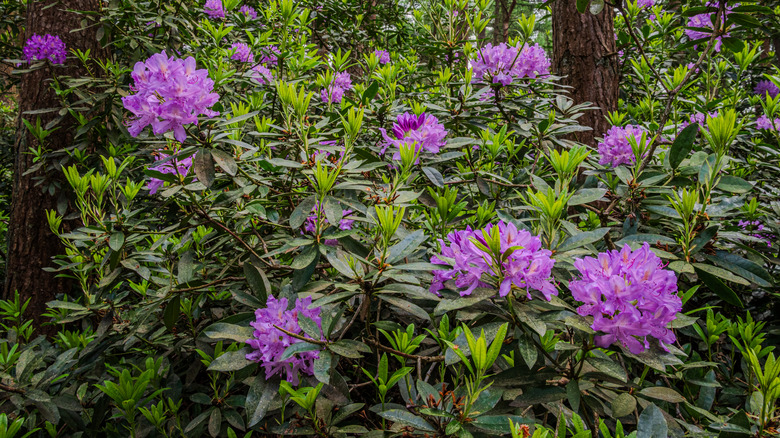
Rhododendrons love acidic soil that has a lot of rich organic matter. Tea leaves not only give the soil a boost of acidity and improve the compost, but also help with drainage, which the delicate roots of a rhododendron need. This amendment will prevent the soil from compacting and retaining too much water. Their roots are also shallow and need a good layer of mulch to protect them in the winter weather, which you can also add used tea leaves to, along with other organic elements like wood chips and bark.
Blueberry
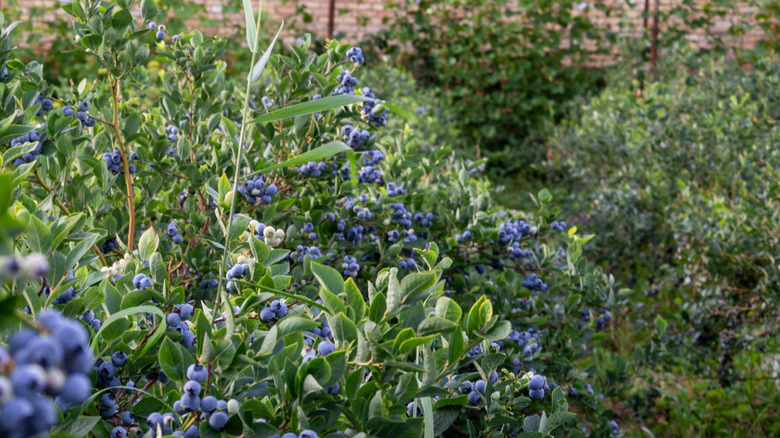
Learning how to grow and care for blueberry plants means understanding their required soil conditions. Blueberry plants (Vaccinium spp.), have a very fine and shallow root system that can get bogged down by heavy, compacted soil. Adding tea leaves to the soil, through compost or sprinkling around the base of the plant, will help aerate the soil and increase the acidity. A higher acidity level in the soil will help the plant better absorb the nutrients it needs. Nitrogen is particularly important and can give plants a boost through tea leaves.
Hydrangea
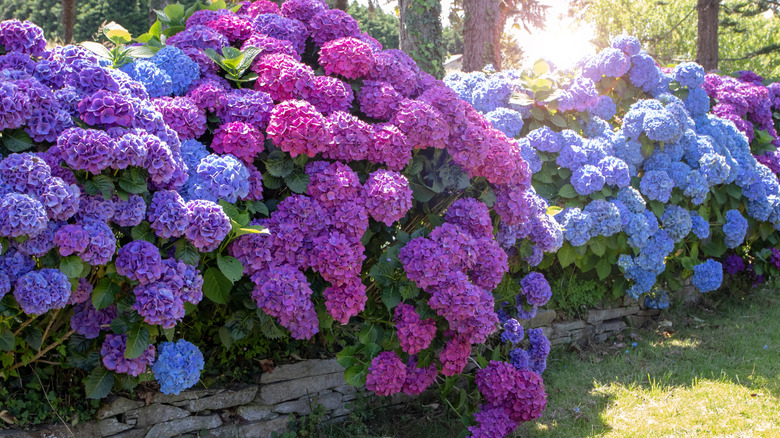
The hydrangea plant, has a unique quality in that they will bloom in different colors, depending on the acidity level of the soil. If the soil is acidic (pH between 5.2 and 5.5), which is what it prefers, the blooms will be blue. If the soil is more alkaline (pH between 6.6 and 7.5 or higher), the blooms will be pink. There are variations within those ranges with shades of lavender and purple. You can affect the bloom color by adding tea leaves, along with other amendments, to increase the soil acidity.
Ferns
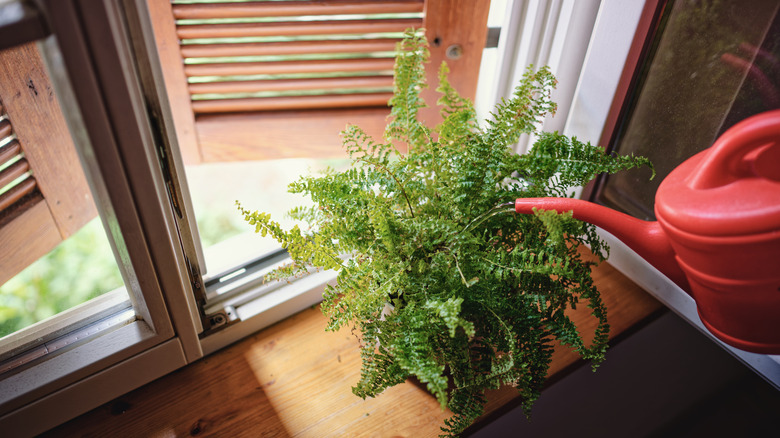
There are so many ferns that make the perfect houseplants, it's worth knowing how to maintain a healthy soil for them. The fern plant (Polypodiopsida spp.), thrives in acidic soil with high organic content. Ferns naturally grow in wet, low light environments, like the forest floor. Adding used tea leaves to the soil helps give it the same humus quality of the moist, dark, acidic ground it loves to grow in. You can do this most effectively by including used tea leaves in the compost that will be used to amend the fern's soil.
Tomato
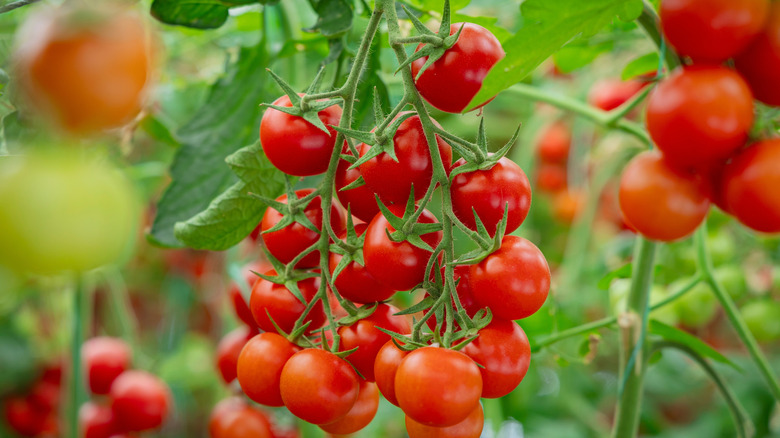
The tomato plant (Solanum lycopersicum), benefits from a small snacking of used tea, which will help with water retention, as tomato plants need to be watered consistently to avoid rot and cracking. While the plants do require a slightly acidic soil and the nitrogen from the tea leaves will boost the foliage, too much of it will result in fewer actual tomatoes. And what good is a bushy tomato plant with no tomatoes? Add used tea leaves to the fertilizer sparingly to help with water retention but not enough to reduce tomato growth.
African violets
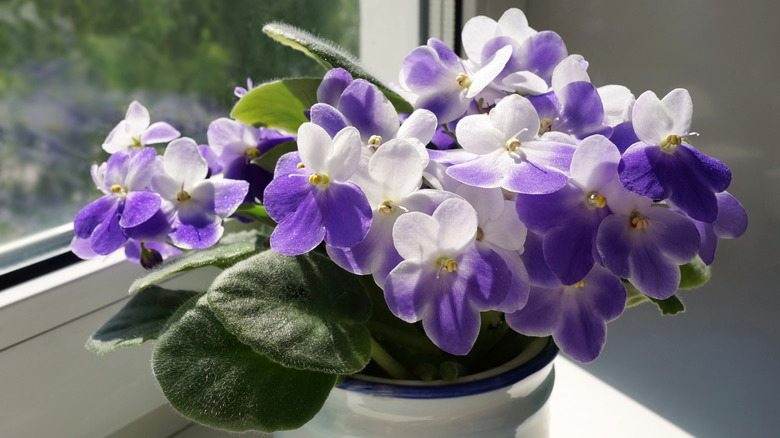
African violets (Saintpaulia ionantha), make a beautiful houseplant, offering bright pops of color. They thrive in a highly organic soil that is well-drained and fertilized as often as every other week during spring and summer. Adding a few used tea leaves to compost used as fertilizer helps add necessary nutrients, like nitrogen, to the soil as well as maintain the slightly acidic pH level that it loves. It will also aerate the soil and allow the plant to absorb all those nutrients. You can also water it with brewed tea to maintain a healthy soil.
Spider plant
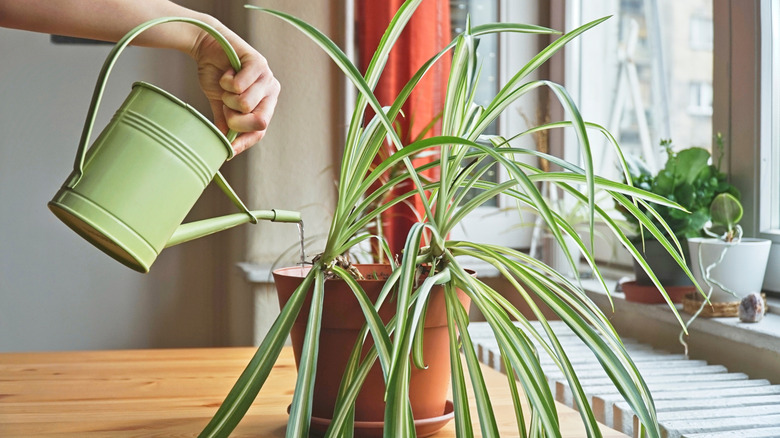
When you want an indoor plant but don't exactly have a green thumb, spider plants (Chlorophytum comosum) are a good choice. They're easy to grow and don't require a lot of special treatment. Brew your tea leaves a second time and use it to water your spider plant, allowing the soil to get slightly dry in between waterings. The nutrients from the tea leaves will help improve the structure of the soil by adding nutrients and improving the aeration. You can also add tea leaves to a fertilizer every 3 to 4 months.
Begonias
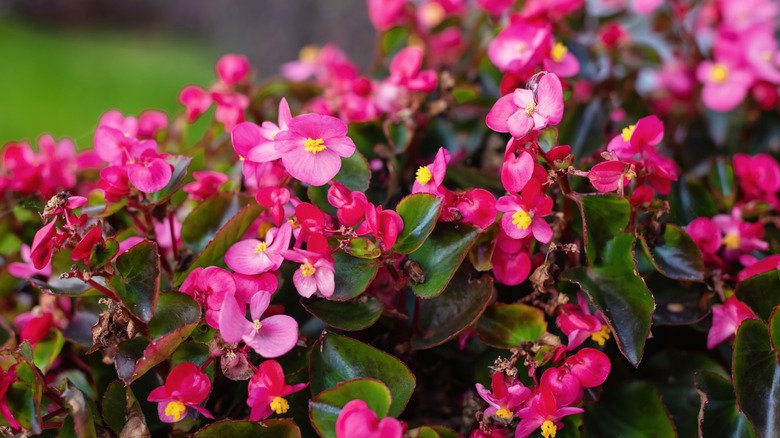
Begonia plants need acidic soil with a high organic matter content. Begonias can be grown as house plants or outdoors. Their bright flowers add a splash of color to any window box or hanging baskets. To maintain a good level of acidity, water the plant with brewed tea or use tea leaves in compost, as they do benefit from fertilizer several times a year. Use water from brewed tea leaves at base of the plant to avoid fungal leaf diseases.
Azaleas
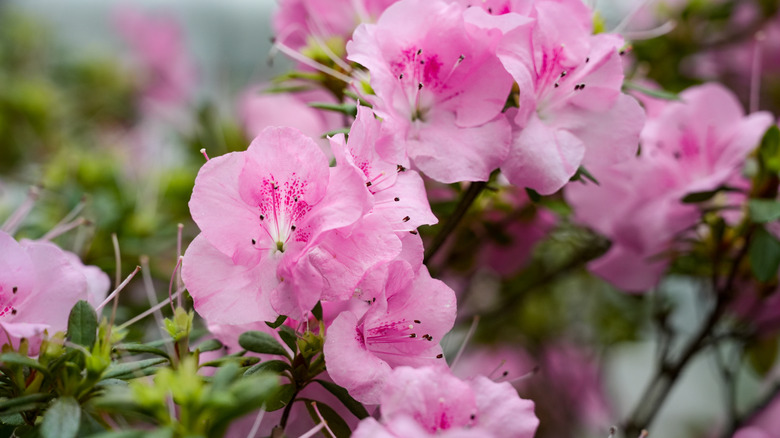
Azaleas (Rhododendron spp.) are a type of rhododendron but refer to a specific group of plants that have smaller and thinner leaves, like the many types of azaleas you can grow in your garden. Like other rhododendrons, azaleas have a delicate root system that require good circulation and protection in winter weather. Tea leaves in the compost is a great way to maintain a well-drained soil and applying a 2 to 3 inch layer of organic mulch, which can be made by combining used tea leaves with other elements like bark and wood chips, will add a safeguard in winter.
Cast iron plant
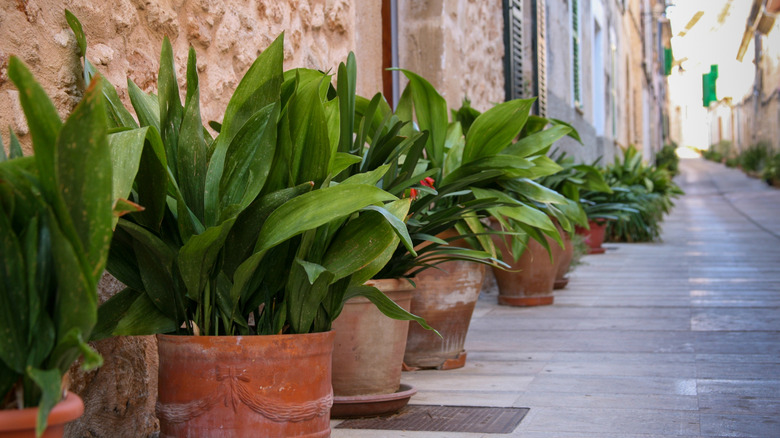
The cast iron plant (Aspidistra elatior) is aptly named due to its ability to withstand neglect. They are a hardy plant that doesn't ask for much, except maybe a shared sip of your tea. While they aren't too particular about the pH level of their soil or its overall condition, they do need the soil to be well-drained. They prefer when the soil has a chance to dry out a bit and isn't always moist or waterlogged. Adding tea leaves to compost can help soil tilth, allowing for adequate drainage and good aeration.
Camellias
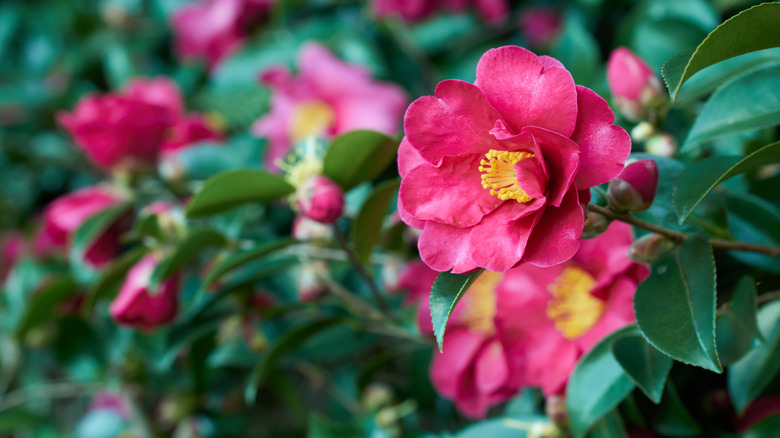
Camellias are acid loving plants that require a good layer of mulch. The mulch helps retain moisture and protect the root system from harsh weather. Used tea leaves make a great addition to organic mulch mixtures and are perfect for camellias that prefer a more acidic soil. It's also helpful to use fertilizer once a year in the spring – like a compost containing tea leaves — that will help its soil maintain an appropriate pH level while also creating well-draining soil that is high in organic matter.