

Fireplace Safety: Here's The Wood You Should Not Burn (& Why)
We may receive a commission on purchases made from links.
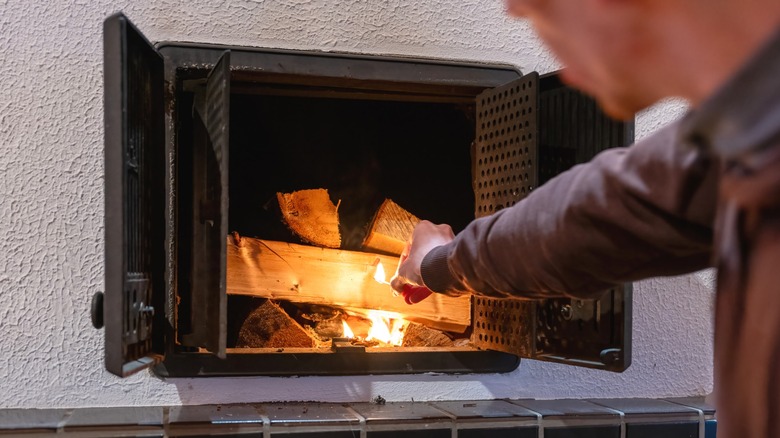
You settle in for a cozy fire in the living room when you notice an awful smell. At first, you think it's just something on the wood and decide to let it go. Surely it will eventually burn off. But the scent gets worse. Soon, the whole house is filled with it. Your warm fireside cuddle session has turned into a panicked race to put out the fire and open as many windows as possible to air things out. It turns out that the problem was the wood itself — you had taken a pile of poplar wood from a friend who was renovating his kitchen. Unbeknownst to you, poplar wood lets off a horrible smell when burned.
Poplar and its odious odor are just one example of how important it is to choose the right type of wood for your fireplace. However, poplar is still technically safe to burn — provided that it's properly seasoned. And therein lies the key in knowing if it's safe to burn a wood (really, any wood) or not. It has to be very dry.
Basically, seasoned wood of any kind — and "seasoned" means cut, split, and left out to dry for months (or years) until the moisture content is extremely low — is generally safe, and "green" wood is not. Unseasoned wood won't light easily, burns inefficiently, and clogs up your chimney with thick, deadly, flammable creosote that builds up on the chimney walls. This makes the chimney more susceptible to catching fire or may even block the airflow and cause gases like carbon monoxide to build up inside your home. Poor air quality is one of the top hidden downsides to traditional fireplaces.
Avoid burning green wood, painted wood, or treated wood
That's not to say that choosing certain types of wood won't impact your heating performance. As we all revel in how the wood-burning fireplace trend is back, we also should keep in mind that burning softwoods like pine or cedar will never work as well as denser hardwoods like oak and maple, two choices that will give off more heat and last longer, keeping that fire going with less tending from you. When it comes to safety, though, what really matters is avoiding the plague of burning fresh-cut green wood. It has too much moisture, which will limit the fire's heat as it burns off, creating excess smoke and creosote buildup.
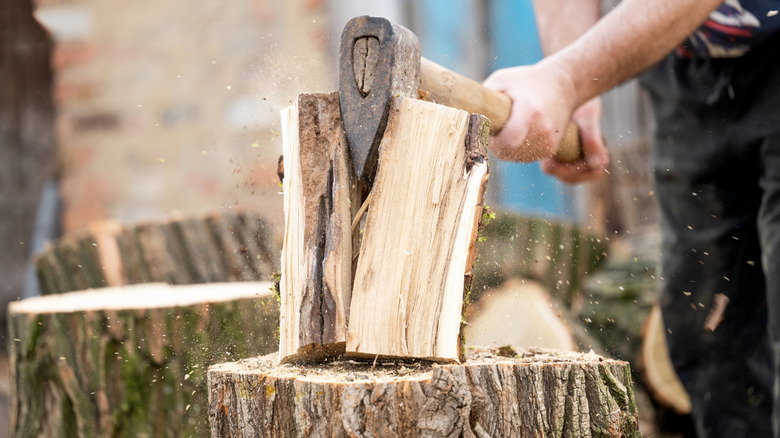
Always use seasoned wood, logs that have been given adequate time to thoroughly dry out (generally at least six months for softwood and around 18 months for hardwoods). Splitting the wood helps it to dry out faster than whole logs. If you knock two pieces of wood together and get a dull "thunk" noise, it's not dry enough yet. Two pieces of well-seasoned wood will make a clear ringing sound when banged together, and for total transparency, you can measure the moisture content with a product like the General Tools MMD4E Digital Moisture Meter.
That's simple enough, but what about other dry wood you might have sitting around, like that old fence you tore down? Not a good idea. Treated or painted wood should be avoided, as it can produce toxic fumes when burned. For the safety of you and your family, don't burn treated wood in your fireplace. And finally, even if you do everything right, it's crucial to know how to properly clean your fireplace.