

Old-School Kitchen Essentials That You'll Only Find In A Boomer's Kitchen
We may receive a commission on purchases made from links.
Step into a boomer-era kitchen and you might feel like you've traveled back in time. Not because of the appliances — because of all the stuff: a frog perched by the sink, oddly-colored storage containers crammed into a cabinet, and decorative touches that turned everyday chores into something cheerful — if not exactly subtle. These weren't modern kitchens designed to be sleek or spare. They were gathering places meant to feel lived-in, personal, and often, at least a little kooky.
In the 1970s and '80s, American kitchens were full of character-driven decor that reflected the era's optimism and love of novelty. Of course, tastes change. And as open-concept homes, minimalist aesthetics, and neutral palettes gained popularity in the late '80s and '90s, many of these once-beloved items quietly disappeared from countertops and cabinets. Some fell victim to changing design trends, others to new hygiene standards or space-saving priorities. What was once cozy began to feel cluttered.
Today, these retro kitchen staples are resurfacing in thrift stores, estate sales, and childhood memories. Whether you find them charming or outdated, they're instantly recognizable to anyone who grew up around them. We've collected some of the classics for a trip down memory lane (or for a reminder that these essentials have been with you through tons of kitchen memories!).
PYREX glassware with bold designs
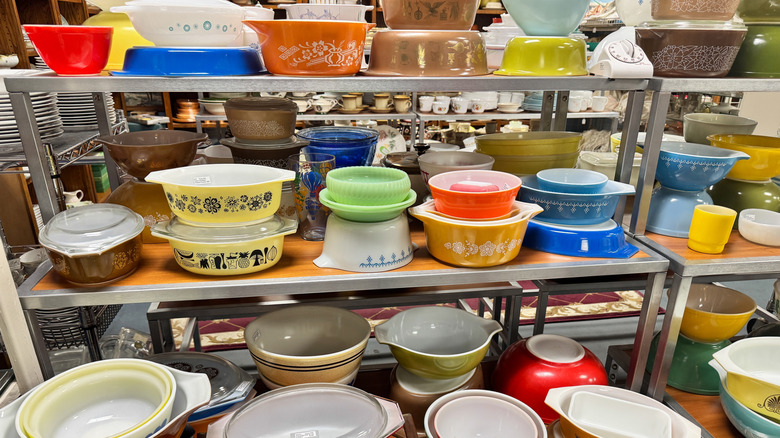
PYREX glassware has earned its reputation as a kitchen "buy it for life" staple, and you'll see it in the homes of people of all ages. Modern Pyrex items, like stacking bowls and casserole dishes, are often plain glass. But in Boomer kitchens, PYREX was known for its color and design — you could find dishes in several colors and with designs ranging from polka dots to flowers to pastoral settings. The vintage stuff is understandably coming back. If you're in the market, there are some Facebook groups for obsessive thrift shoppers where you can find the classics.
Garlic press
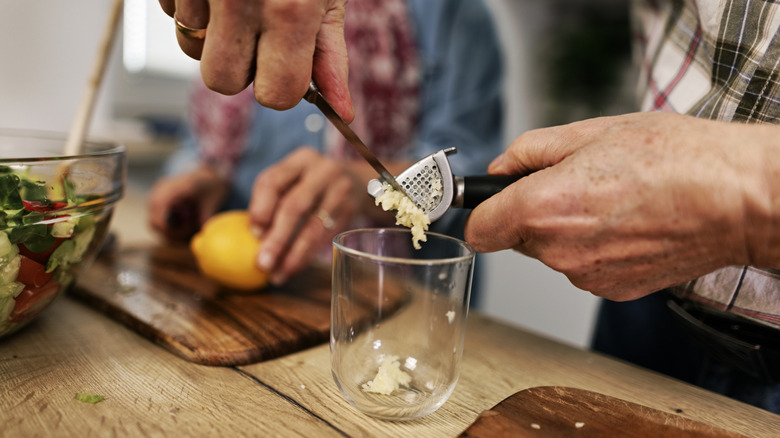
Boomers came of age as kitchen tools were being designed to make domestic duties easier and more seamless. Enter: the garlic press. It made it super easy and fast to mince a bunch of garlic. The gadget still has some defenders. But now, Michelin and home chefs alike prefer methods like old-school chopping, microplaning, or crushing to bring out different flavors, since the press can break down garlic in a way that brings out an overwhelming or bitter taste.
Cookie jars
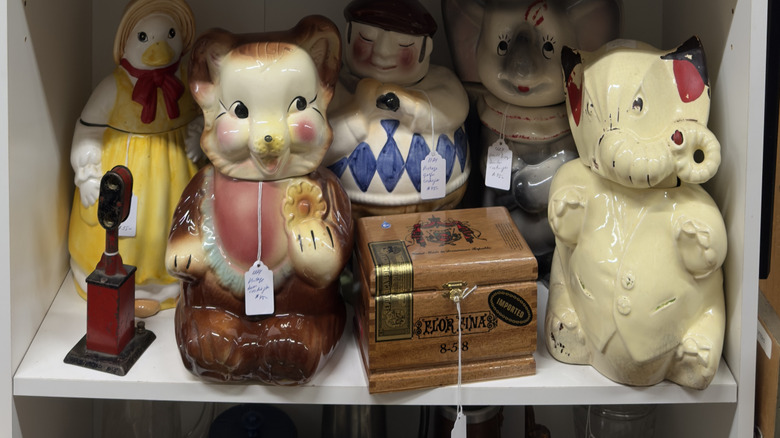
Cookie jars were a midcentury kitchen mainstay, thanks in part to the rise of premade cookie dough that made baking less of a slog. They came in all kinds of shapes, from woodland mushrooms to wacky animals to checkered picnic baskets. Now, as people prefer uncluttered countertops and sleeker kitchens, they're thought of as a bit kitschy — but aesthetics aside, we'd be more than happy to walk into a boomer kitchen and grab a sweet treat from a fun jar.
Tupperware with fanned lids
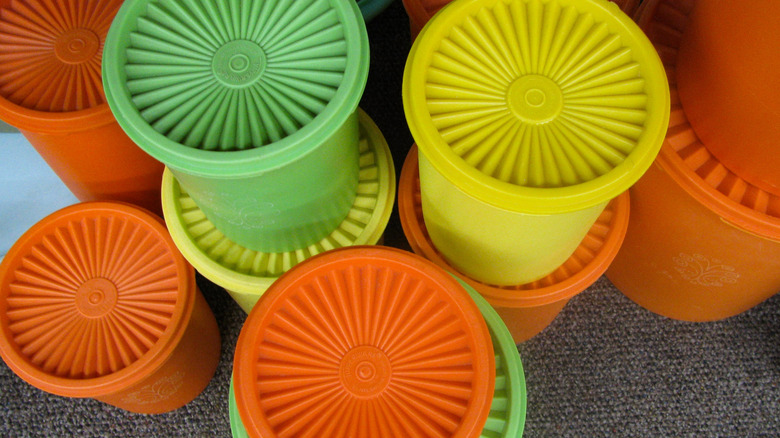
Back before Tupperware was available on Amazon, you got it from a Tupperware party — and it had a fanned lid. It was engineered that way to allow busy homemakers to seal their Tupperware with a single push. But as kitchens, plastics, and storage container innovation evolved, that feature became a bit of a drawback. Newer models with lids that didn't warp and could more easily stack became the dominant Tupperware design. But like everything classic, fun, and well-made, they didn't disappear completely. If you can't find some in your favorite boomer's kitchen, check out secondhand shops for the vintage stuff.
Cookie press
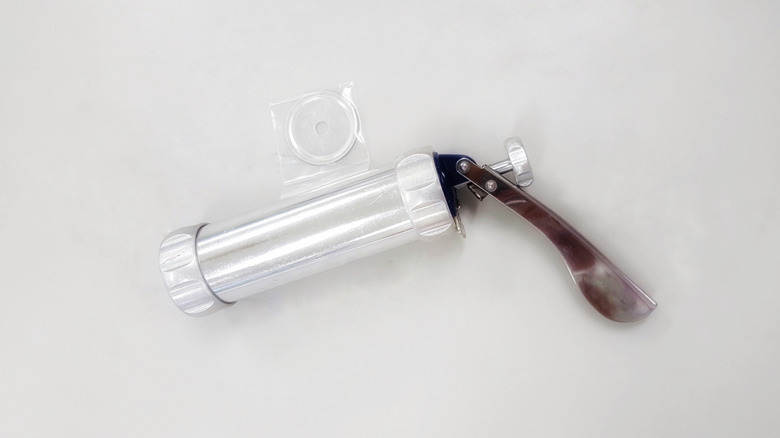
Making cookies is a tradition for people of all ages, but you're likely to spot a cookie press only in boomer kitchens. They became popular in the '60s and remained a hit until the '90s. To use it, you made your cookie dough, put it in the tubular device, and then pressed a lever to squeeze out a little spritz cookie in shapes like Christmas trees or flowers. It's not the easiest process to perfect (especially if you don't have a quality press), which is probably part of the reason that it's not a super popular way to make cookies today.
Bread machines
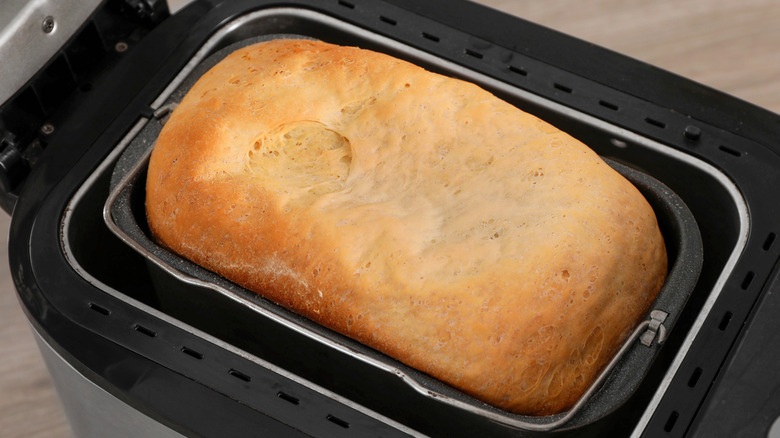
If you were alive in the '90s, there's a good chance you ate a slice of bread that was made in a home bread machine. Boomers went wild for the big rectangular devices, which promised store-quality loaves of bread by simply throwing ingredients like flour, salt, and yeast into the automated machine. No kneading, no proofing — just fast and easy bread. They fell out of favor in part because the bread wasn't always as delicious as promised. But thanks to rising food prices and better-quality, more multifunctional machines, you might see these make a bit of a comeback.
Frog sponge holders
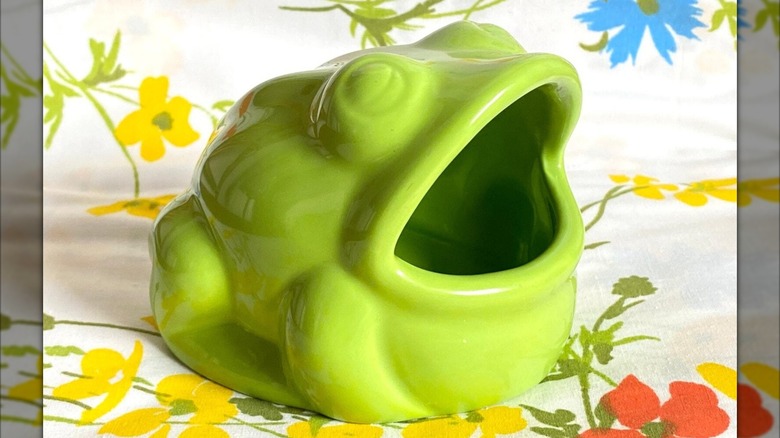
Back when kitchens were less about stainless steel and more about personality, frog sponge holders hopped onto the scene. Super popular in the '70s and '80s, these cheerful critters were the epitome of playful, character-driven home decor. Made of ceramic or plastic, they sported a wide mouth that appeared to be eating a sponge as it rested between dishwashing sessions. As kitchens grew sleeker and more minimalist (and people questioned whether they were hygienic), the frog's googly-eyed charm started to feel not-so-stylish or practical for storing wet sponges so they don't get stinky.
Electric carving knives
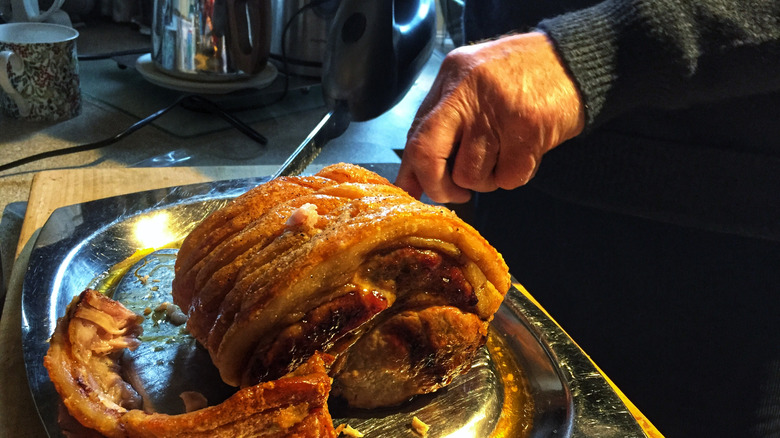
You're either the boomer who once wowed a holiday gathering by sawing up a bird with your electric knife, or you were the one getting wowed. A certain type of gadget-loving boomer dad can't resist the appeal of a tool designed to make carving both easy and impressive. That was even part of their marketing strategy — to get dad in on dinnertime duties. Now, it's more common to use a standard kitchen knife, as they've improved in quality since the electric carving knife's peak. But if you want to light up a boomer's eyes, ask if they still have theirs.
Salad spinners
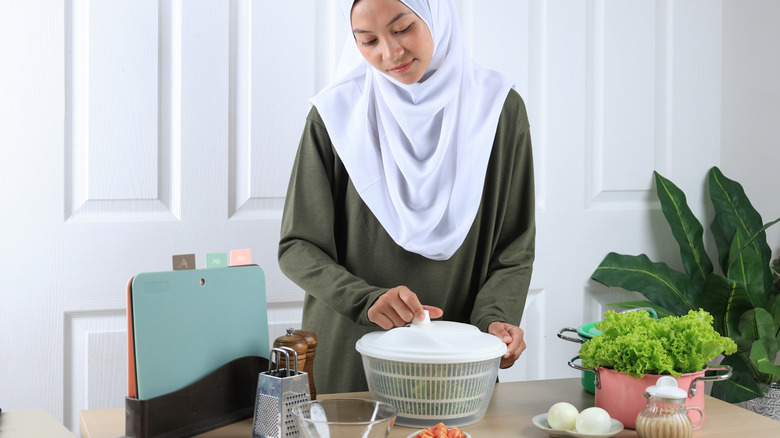
This inventive kitchen tool rose to fame in the '70s. Boomer chefs loved that it made it easy to wash lettuce or herbs and dry them quickly enough to prevent wilting. They're practical, quality products, but their size makes them a little hard to store. Younger people living in smaller apartments, rather than sprawling suburban kitchens, don't have as much space for gadgets, so it's made the tool less popular in recent years. If you see one in a boomer kitchen, though, resist the impulse to toss it. Instead, try these clever ways to reuse the salad spinner.
Crockpots
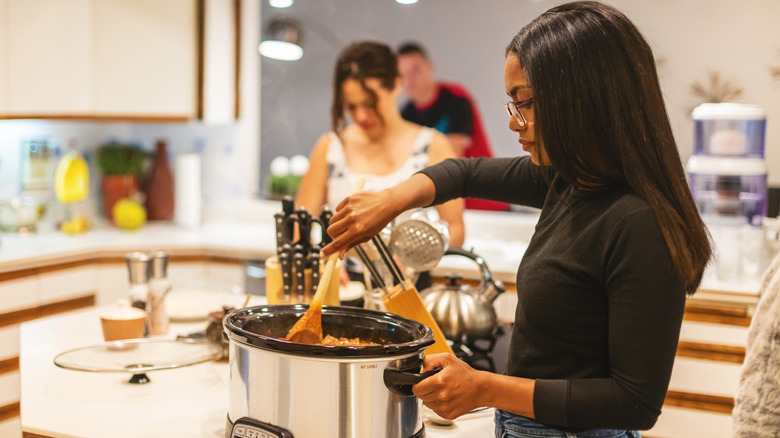
Crockpots were a kitchen essential in the '70s and beyond. Like many of the appliances of this era, they promised to make dinnertime easier. Rather than fussing over a roast chicken or stirring a simmering sauce, you could just dump a bunch of ingredients into the stoneware crock for tried-and-true classics like chili, chicken and dumplings, or stroganoff. In recent years, more versatile tools like Instant Pots or air fryers have largely replaced crockpots — the newer machines can accelerate cooking times and make dinner easy, while also still allowing for cooking techniques that enhance flavor, like browning and crisping.