

10 Things To Declutter From Your Closet Before The End Of The Year
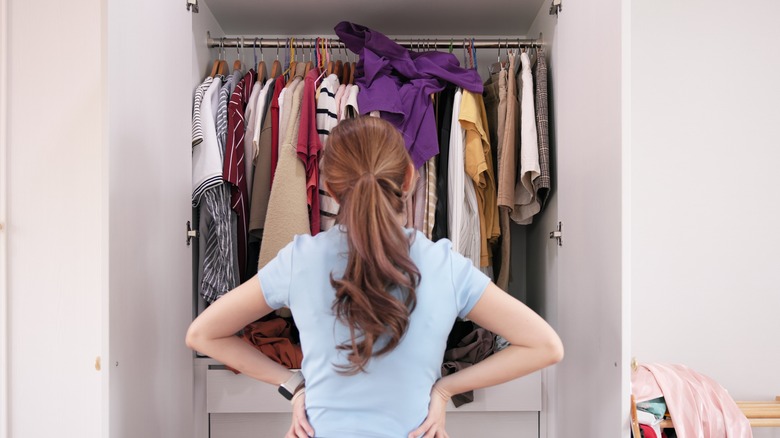
Bedroom closets can quickly become the default storage space for much more than just clothing because they're convenient and easy to ignore after the door is closed. What starts as an innocent, practical space for everyday essentials can quickly become a dumping ground for unused items, forgotten purchases, and "just in case" items. While it's tempting to hold onto everything, an overstuffed closet can make getting dressed more stressful and prevent you from fully using the space you have.
Deciding what to declutter from your bedroom closet should depend on your lifestyle, habits, and storage needs. Everything else deserves a second look. Factors such as available space and how often you truly need certain items also play a role in deciding what to keep. You may also want to consider how clutter affects your daily routine, from wasted time searching for things to the mental load of visual mess. The simple act of decluttering can save major closet space, making it more functional, easier to maintain, and giving you a fresh start to the new year.
Toys and games
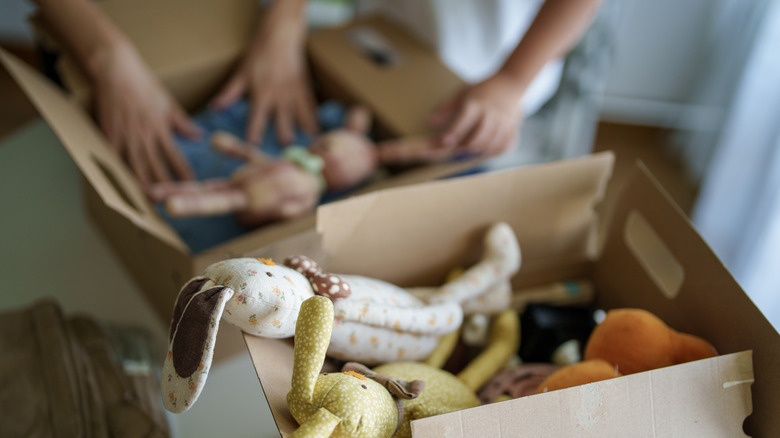
Toys and games pile up in kids' bedroom closets fast, and holidays and birthdays only exacerbate the clutter. Make room for new toys by taking an hour or two with your kids to sort their toys into three groups: keep, donate or sell, and throw away. Broken, unusable toys should be thrown away. Then, help your kids decide what they use regularly and what they've outgrown. For toys that are in good condition, donating to a secondhand store or selling on an online marketplace is a great way to give them a second life.
Personal and sentimental items
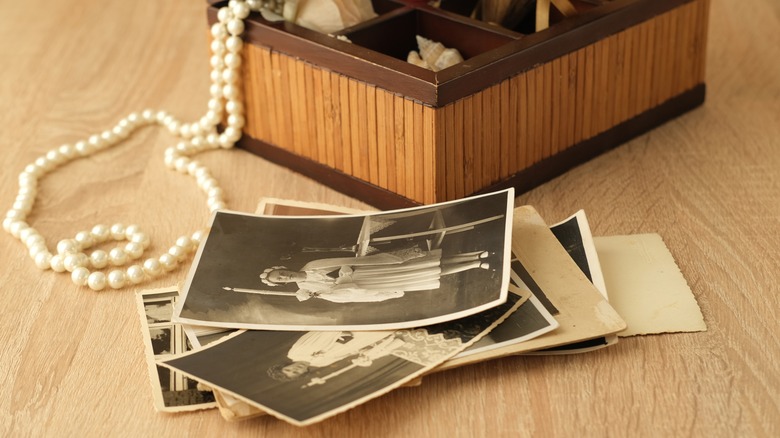
Decluttering sentimental items can be emotionally challenging because memories are often tied to physical objects. However, if you tackle this process slowly, you can get rid of sentimental clutter and keep your sanity. If you have a lot to go through, setting realistic timelines can help maintain momentum without rushing decisions. To decide what to keep, there are a few strategies you can use. If you haven't used or seen an item in a year, it may be time to let it go. Sorting items into three boxes: keep, donate, and consider later, is also helpful in reducing overwhelm.
Books and magazines
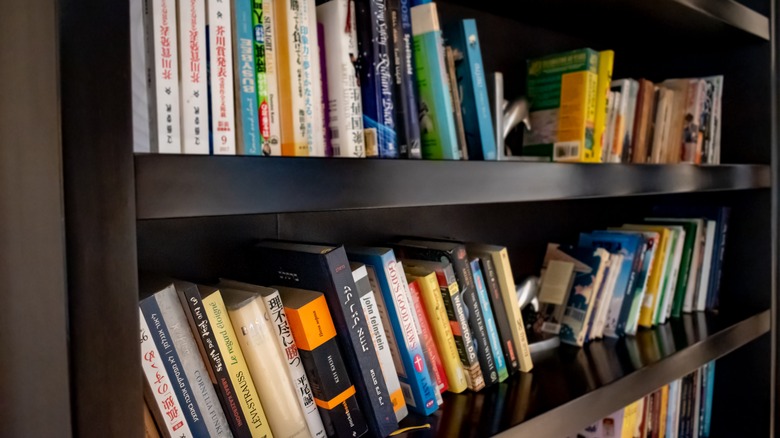
Books hold sentimental value for many people. For others, they're a collector's item. If yours are taking up too much space in your closet, they can be sorted into five categories: keep, donate, sell, recycle, or discard. Damaged books, especially those with mold or mildew, should be thrown away. Valuable books can be sold through online marketplaces or local collectible bookstores, while unwanted books can be donated to thrift stores, libraries, schools, nursing homes, and shelters. If you haven't read it in more than a year, it might be time to let it go. Most paperbacks can be recycled as-is, but with hardcovers, you should discard the covers before recycling the pages.
Miscellaneous storage
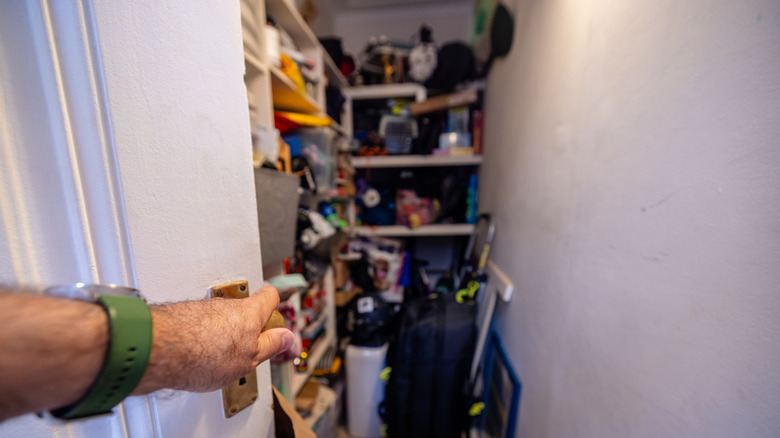
As you accumulate random items, it's easy to stuff them in the closet and forget about it. The result is a closet full of "just in case" items and miscellaneous junk. One decluttering strategy recommended by professional organizers is the 20/20 rule. If you can replace something can in under 20 minutes for less than $20, it's safe to declutter. This approach helps reduce anxiety around getting rid of items. For items that are still hard to part with, place them in a box out of sight for six months. If you don't open it during that time, it's a sign you don't need the items anymore.
Bags and luggage
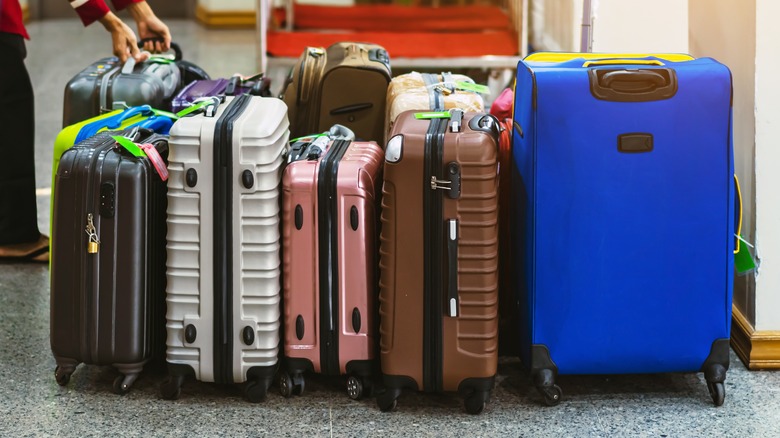
A cluttered mess of bags and luggage makes travel more stressful. An easy way to decluttering luggage is to gather all your suitcases and bags in one place so you can evaluate them together. Then, take stock of how much luggage your family actually needs, how often each item is used, and whether you have adequate storage space when the items aren't in use. At this point, you can also get rid of damaged luggage and choose unused bags to donate. This process also helps you identify any gaps in your collection, such as the need for a specific type of suitcase or carry-on, making travel days more efficient.
Clothing and shoes
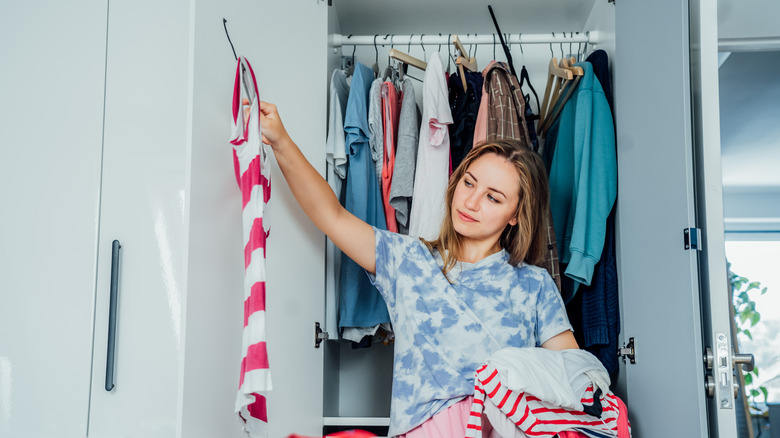
A closet overflowing with clothes and shoes might be the most intimidating thing to declutter. Setting up clearly labeled bins for donating, trash, storing, and undecided items, along with a separate keep pile, helps make the process easier. Setting a time limit also helps maintain focus and motivation. Start by completely emptying your closet and sorting items by category to fully assess what you own. Clothes and shoes that you don't wear, no longer fit, or are worn beyond repair should be purged. Don't overthink it. Finally, revisit the "maybe" pile and make a firm decision so only intentional items return to your closet.
Documents and files
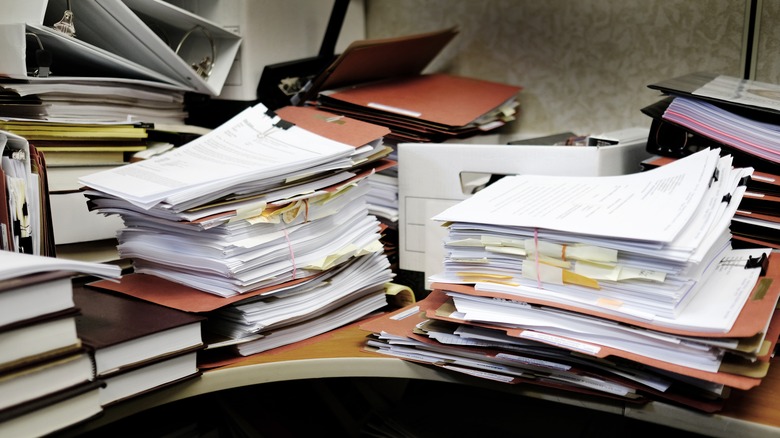
Having files and documents with no organizational system can lead to lost information along with the stress of visible clutter. If you're ready to ditch the clutter, choose a filing cabinet or storage box. Then, gather all your essential documents and sort them into clearly labeled categories. Files should be arranged by how often they're used, with active paperwork placed in front and infrequently needed items stored in back. Creating an index and keeping extra folders on hand helps the system stay organized over time. Documents like expired insurance policies, outdated bank statements, old pay stubs, and records for items you no longer own can be discarded.
Holiday decorations

A mess of holiday decorations definitely puts a damper on the fun of decorating. To declutter your stash, start by pulling all holiday bins and deciding what to keep by eliminating items that are unused, broken, or no longer meaningful. You can donate working decorations or give them away to family and friends. Store the decorations you decide to keep with intention and care, using clear boxes for visibility, special ornament storage, and wrapping lights and garland separately to prevent tangles. Label bins clearly and assign separate areas for different holidays to save time and avoid buying duplicates. With thoughtful decluttering and intentional storage, decorating will be easier and more enjoyable next season.
Sheets and linens
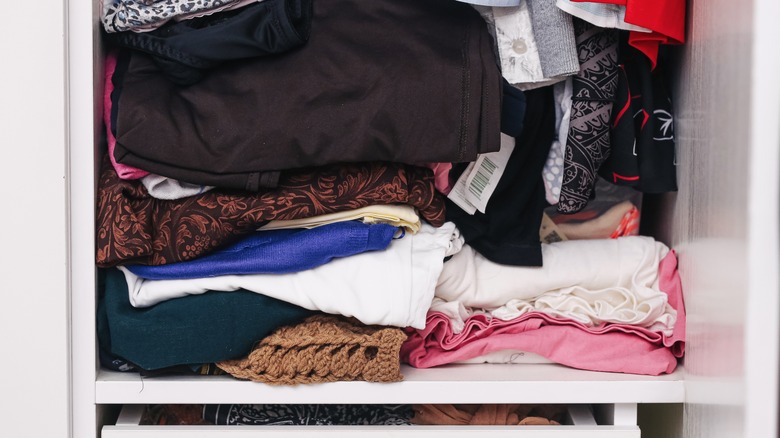
If your bedroom closet doubles as a linen closet, this is for you. Start by removing all your linens from the closet to see what you have, then declutter by donating gently used items and repurposing worn ones. This is also an opportunity to replace your old and worn-out bath towels. Next, sort linens into categories before folding and storing them neatly. To make the most of your space, use bins, baskets, or shelf dividers, and rotate linens seasonally, keeping only what you need now while storing off-season items elsewhere. You can even store sheets inside one of their own pillowcases to avoid mismatched pieces.
Accessories
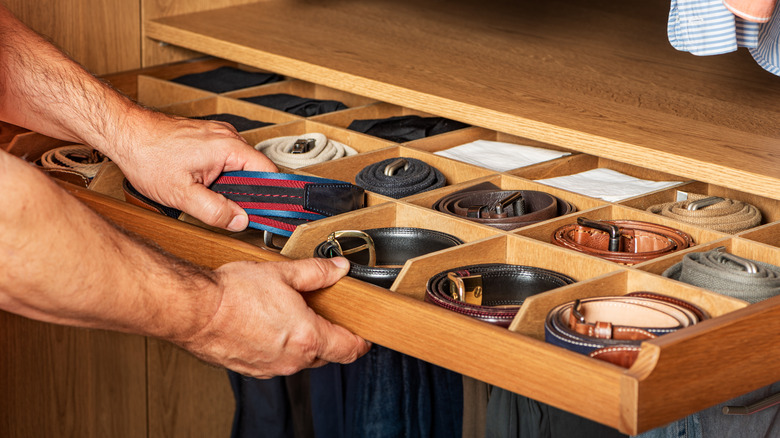
Just like clothes and shoes, accessories like hats, belts, and jewelry have a way of piling up. Start by gathering all accessories of one type so you can see everything at once, then evaluate each item by asking key questions: whether it's broken, whether you have duplicates, when you last wore it, whether it fits your personal style, if you still have clothes to wear it with, whether it flatters you, and if it fits in your allotted storage space. Items that fail these tests are good candidates to let go. The goal is to work through small categories at a time to make the process manageable and to build momentum with easier decisions before tackling harder ones.