

10 Garden Pests You Can Get Rid Of Using Diatomaceous Earth
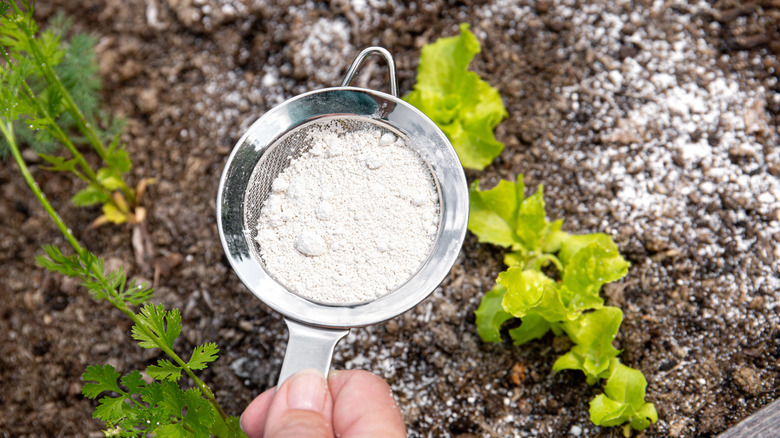
Garden pest control can be challenging, especially considering the increasing reluctance to use chemical pesticides. Today's home gardeners have to be more creative than ever in their quest to rid their plants of unwelcome critters. Luckily, there are non-toxic, eco-friendly controls that can kick pests to the curb just as effectively. Diatomaceous earth (or DE for short) is a popular pesticide alternative if you're facing an insect invasion in the garden. This fine white powder is made from the pulverized fossilized remains of ancient diatoms, single-celled organisms that still live in waterways today. DE serves as an excellent deterrent against some of the worst garden pests you want to banish from your yard immediately — everything from ants, slugs, snails, and aphids to millipedes, cutworms, and cabbage maggots.
If you look at diatomaceous earth under a microscope, you'll notice each granule features jagged edges that can cause serious damage to the exoskeletons of garden and common houseplant pests alike. This will eventually lead to lethal dehydration for any pest that makes contact with the powder. Unfortunately, diatomaceous earth doesn't differentiate between bugs–it can be harmful to all visitors in your garden. If you hope to attract good insects into your yard, only use this natural pest deterrent on plants you don't mind keeping completely bug-free. To use diatomaceous earth in your garden, be sure to opt for the food grade variety. Sprinkle a thick ring around the plant you hope to protect. You can also apply it on leaves. Just avoid flowers so you don't cause harm to vital pollinators. Use diatomaceous earth to protect against these 10 garden pests.
Ants
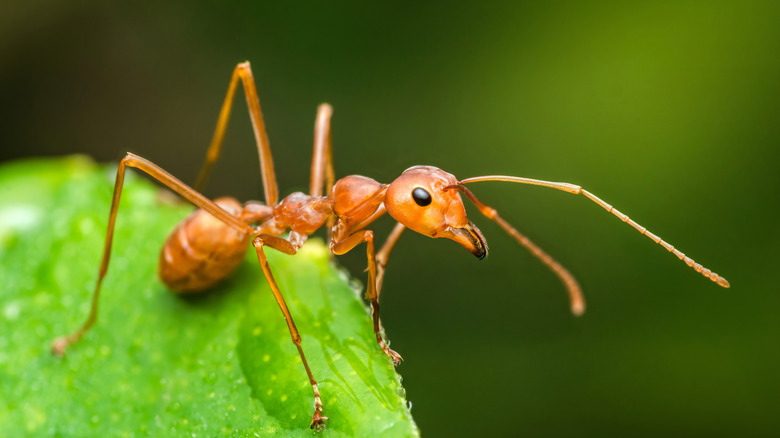
Ants are undoubtedly vital for the biodiversity of your yard. However, you might not want them milling around certain plants. They can be unpleasant to have around outdoor leisure areas and can damage your plants when they farm aphids on them. Sprinkle diatomaceous earth around areas you notice a procession of ants or an ant nest. These tiny but mighty insects are adept problem solvers and communicators. Soon, the word will get out to the colony to avoid the white powdery substance in your yard.
Slugs
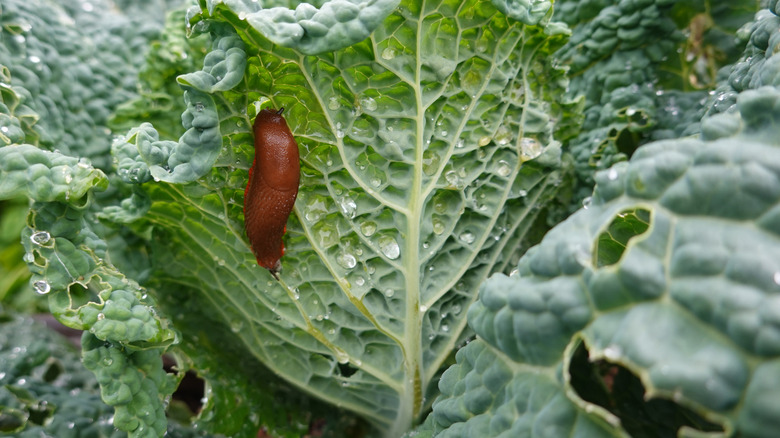
Drawn in by the delicious leaves of your plants and the moist shade the vegetation creates, slugs are an issue in most gardens. They're especially prevalent between spring and fall. Over time, these gluttonous invaders can wreak havoc on your garden, leaving a trail of holes in leaves and fruit. They particularly love cabbage, brussels sprouts, and cauliflower, among other vegetables. Diatomaceous earth can be quite effective at killing these soft-bodied insects. Just be sure to use food-grade DE and apply it only when conditions are dry. It loses its effectiveness when wet.
Snails
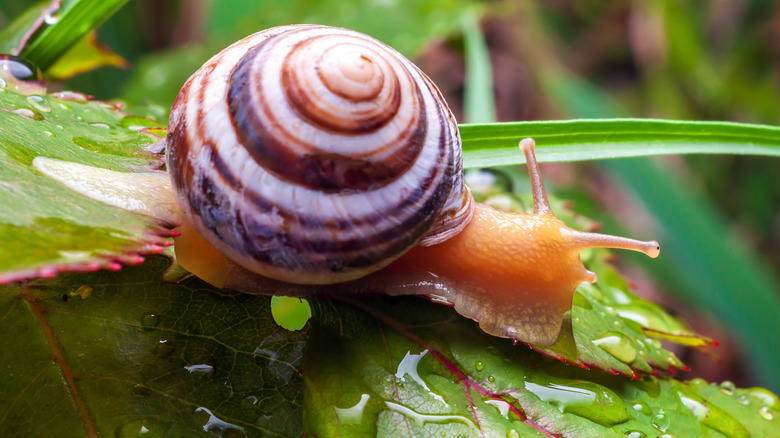
Like slugs, snails are drawn in by moist, shady conditions in a garden bed. They love to chow down on a variety of plants, especially tender seedlings and maturing vegetables. You probably won't spot too many snails during the day. While the sun is high, these soft-bodied mollusks tend to hide away under pavers, flower pots, and piles of leaves. Once night falls, they head out to hunt for food, putting your garden plants at risk. Apply diatomaceous earth around their favorite fare — leafy greens and some foliage-heavy ornamentals — to protect them from hungry snails.
Caterpillars
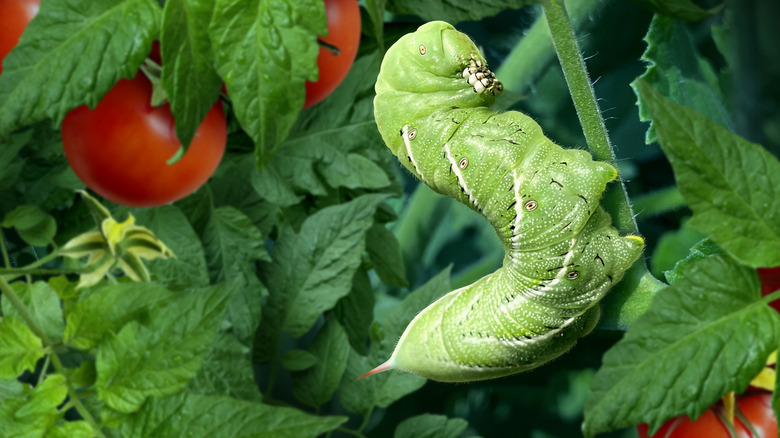
While moths and butterflies can be beneficial pollinators in a garden, their larvae may cause issues. Depending on the species, caterpillars can demolish your garden. Some chew holes or furrows through your leafy greens, while others eat fruit from the inside out. Regardless of the specific type of damage, caterpillars aren't always welcome. You can use diatomaceous earth as a protective barrier around the plants these creepy crawlies love to snack on. If you start to see signs of caterpillars, sprinkle the powder on and around your plant. It won't harm them significantly, but it may reduce their numbers.
Japanese beetles
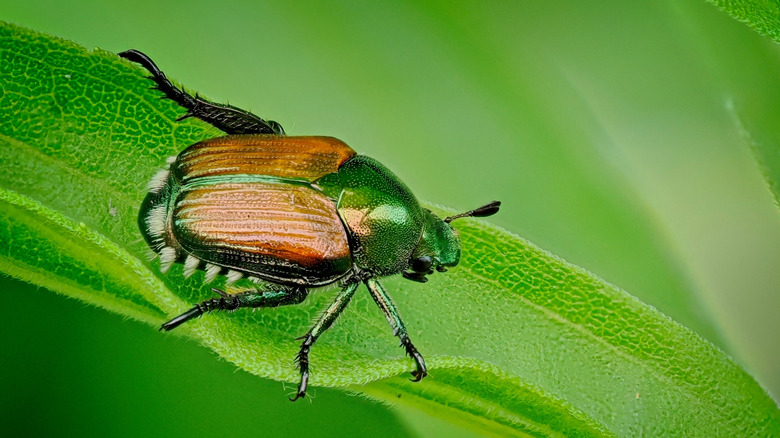
Japanese beetles are an invasive species in the U.S. with a reputation for leaving a path of destruction in their wake. These pesky beetles not only cause damage as adults, but their larvae also target the roots of grass and some plants. In particular, they gravitate towards roses, fruit trees, grapes, cannas, and birch trees. Diatomaceous earth is one of the best natural methods for combating Japanese beetles. Simply sprinkle it on and around plants that they appear to be targeting. Just don't use it on plants that attract pollinators — it will kill them, too.
Aphids
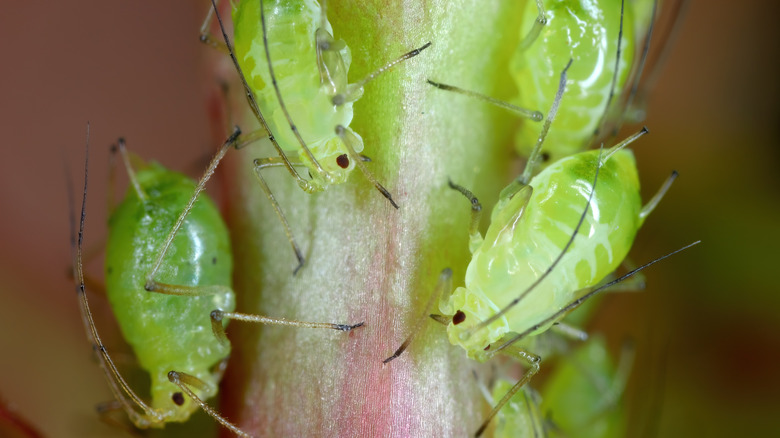
In many cases, aphids don't always cause severe harm to plants. However, populations can sometimes balloon to a point where the insects become bothersome. They produce honeydew, which at best creates a sticky mess on plants and at worst can encourage the growth of sooty mold or ant farming. If you notice a mass of aphids alongside yellowing, curled leaves, stunted plant growth, or velvety black splotches, mitigation may be necessary. Apply diatomaceous earth on the leaves and stems of plants with aphids. Make sure the plant is fairly dry and reapply until the problem resolves.
Cabbage maggots
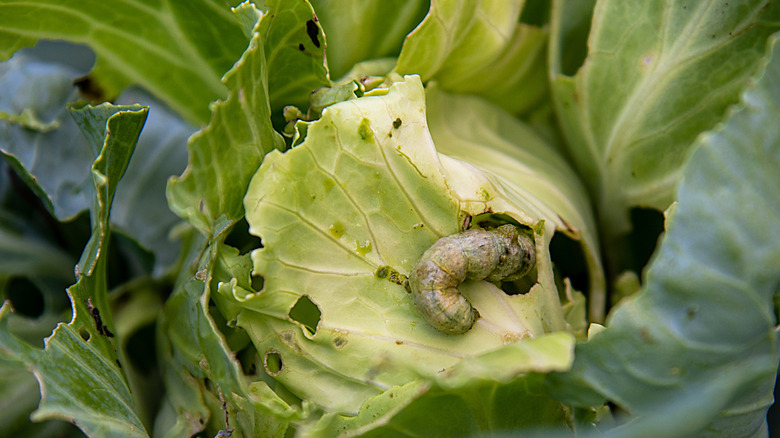
Cabbage maggots are another infamous garden nuisance. As the name suggests, they are known to decimate cabbage crops. However, they also love to feast on other cruciferous vegetables such as kale and broccoli. These ⅓-inch-long pale green or white insects are the larvae of the cabbage root fly. If left unchecked, they can cause a complete crop failure. When you notice these pests around your cabbages or other cruciferous crops, turn to diatomaceous earth. Sprinkle it generously at the base of the affected plant to decrease the cabbage maggot population.
Millipedes
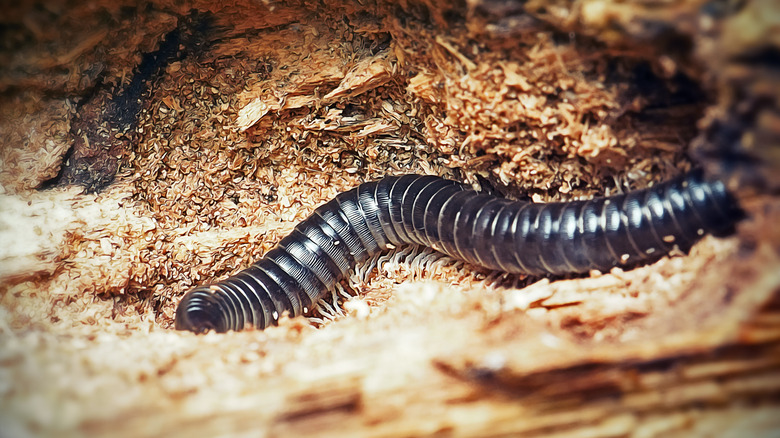
Millipedes can be great helpers in your garden. Even though they look a bit menacing, they typically only come out at night and help break down organic matter in your soil. However, they can sometimes meander into your greenhouse, where encountering them can be an unpleasant experience. Even if they get into your greenhouse, they will only feed on dead or damaged plants. However, if you'd prefer not to run into them at all, sprinkle diatomaceous earth around the perimeter of garden structures. The tiny shards of fossilized sea creatures will puncture their exoskeleton and cause dehydration.
Earwigs
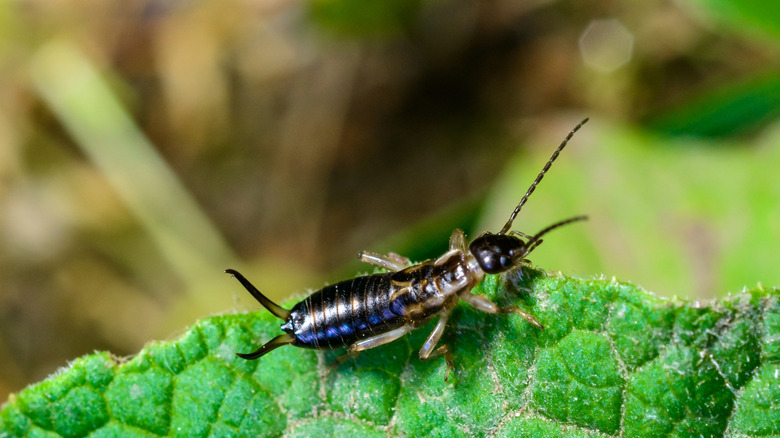
While earwigs can be helpful by eating decaying matter and other harmful pests, they're also not above feasting on your garden plants. Typically active from June to October, these ravenous insects are known to chew through a wide variety of flowers and leaves. When given the chance, they will also devour corn silk and seedlings. The potential for damage is even more concerning when a large number of earwigs take up residence in your yard. The holes they leave behind look similar to slug or cutworm damage. Diatomaceous earth can effectively mitigate earwigs if you dust it on and around problem areas.
Cutworms
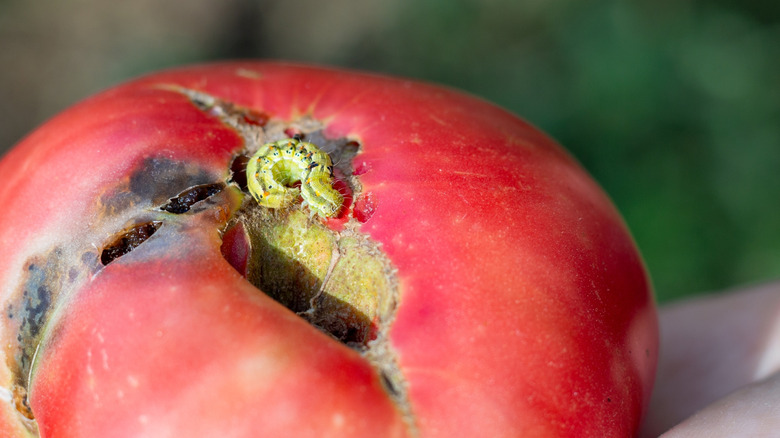
One of the worst pests a gardener will deal with is the notorious cutworm. These moth caterpillars are about 2 inches long and feature smooth skin with minimal hair. While they can range in color and be matte or glossy, they all tend to curl up in a recognizable c-shape. These ravenous juveniles will cause damage to your garden night after night, gnawing away at seedlings, stems, and leaves. They tend to be the biggest pain in the beginning of the growing season, while young plants are still tender. Use diatomaceous earth around young plant stems to deter them.