

The Actual Difference Between Deadheading And Pruning
You need to undertake many tasks when caring for the plants, shrubs, and trees growing in your yard. Cutting back plants is a part of regular garden maintenance, but not all trimming achieves the same purpose. Even though the results may appear identical, making specific cuts, sometimes using dedicated tools, achieves different outcomes. For example, proper rejuvenation pruning can influence everything from how often your plants bloom to how healthy they are. Although deadheading and pruning are often grouped together by gardeners, they are actually two different practices, each with specific goals. You deadhead a plant to remove spent flowers, whereas you prune to manage a plant's shape, size, and overall health.
If you're a dedicated gardener, you will need to employ both of these trimming methods in your yard, though you may be confused about the differences between them. This is especially true for beginner growers. Both deadheading and pruning involve removing parts of your plants, so it's easy to see why they're often confused. Both methods achieve unique plant care outcomes and should be considered independently. What's more, different species and types of plants have unique — though often overlapping — cutting needs. For example, what works on one of your flowering shrubs may not be the right approach for woody plant growth. Considering what a specific plant needs at that particular time of year can help you decide which method to use. During the growing season, the wrong choice can disrupt blooming cycles or even injure a plant.
Why deadheading and pruning aren't the same thing
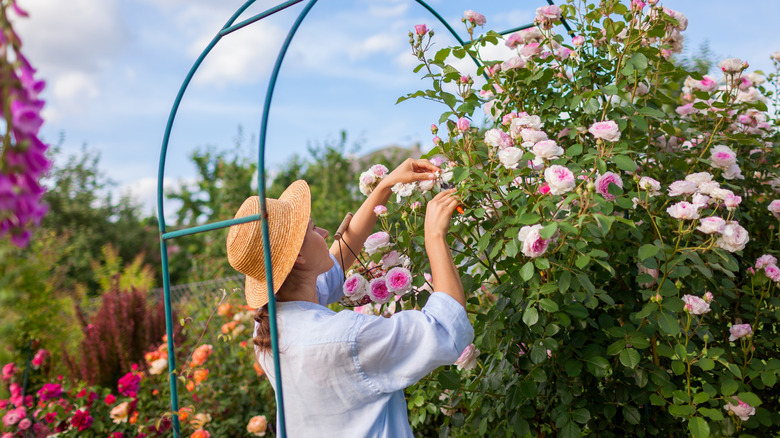
Deadheading is a common plant care task that gardeners use to keep flowering plants and shrubs healthy. What is deadheading in the garden, and is it a must? The task involves removing flowers from a plant once they begin to wilt and die. By removing fading flowers, the plant can focus its energy on new growth and more blooms. In addition to extending flowering, deadheading keeps plants neat and tidy. Depending on the plant species, spent flowers can be pinched off with the fingers or cut off with hand-held tools, such as shears or garden scissors. Because it's simple and easy to do, deadheading is often one of the first maintenance tasks beginner gardeners learn.
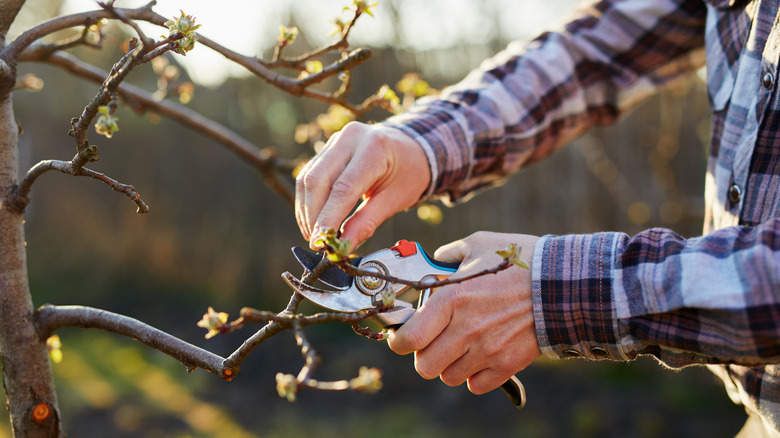
Pruning serves a distinctly different purpose in plant care. When pruning, gardeners remove stems and branches to improve health and control shape. Pruning addresses issues like overcrowding, damage or disease, and areas of undeveloped growth. Knowing when to prune a plant, how much of a plant to remove, and which mistakes to avoid while pruning your plants can all affect how well a plant performs in upcoming seasons. Pruning is divided into two main camps: heading cuts and thinning cuts. Which you use depends on what you're trying to achieve by trimming, and branches or stems are selectively, not haphazardly removed. (Pruning box hedges is an exception.) Common pruning tools worth having in the garden shed include hand pruners, hedge clippers, loppers, pole pruners, and saws.