

Planting Seeds Too Early Comes With Disadvantages You Should Know
We may receive a commission on purchases made from links.
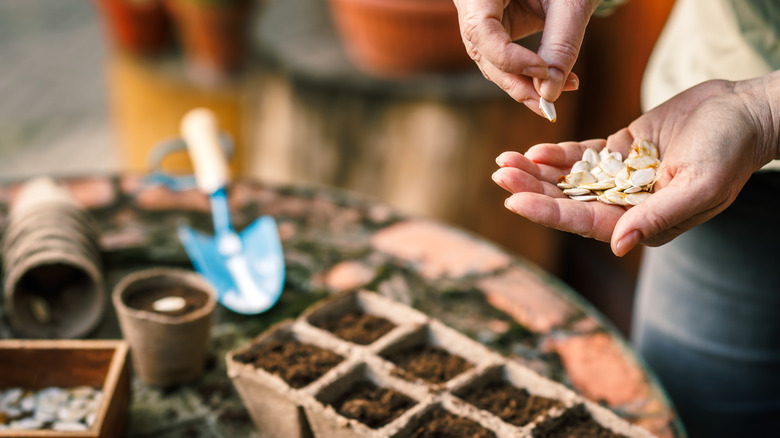
A warm winter day can be a tempting mirage to the eager gardener, creating the illusion that it may be okay to start seeds early despite other advice you've heard. Why not get ahead of the game, especially if it seems to be getting warm enough? If you're feeling this urge, you're not alone, but you should reverse course, because starting seeds ahead of the recommended time is a common mistake that causes leggy seedlings and other issues. If you plant seeds too early outside, they may grow too slowly in the cool soil or succumb to an unexpected frost, while seeds started prematurely indoors can grow too tall and thin or become unwieldy and hard to keep nourished.
While not starting seeds too early is good general advice, the ideal timing varies based on the area where you garden. Depending on the type of seed, you should plant from four to 12 weeks before the last spring frost, and this date is different in each gardening zone. Some regions have a last frost date as early as March or April, but it's rare that it will be as soon as January (even if early warm spells hint otherwise). There's data available from government and university sources that you can use to determine the last frost date in your zone and correctly time and prepare your garden. However, it's still good to build in a cushion of time since the information relies on averages from over the years and isn't always exact.
The risks of sowing outdoors early
Aside from the last frost date, temperature also plays a role in determining how early is too early to plant seeds outdoors. You need a consistent temperature of at least 32 degrees Fahrenheit for tougher, cold-hardy vegetables like spinach and beets, and many other veggies, including peppers and tomatoes, need it to stay warmer than 55 degrees. Even if the air temperature has met this criterion, the soil may not have warmed up enough to support the seeds yet. For warm-season plants like peppers and tomatoes, for example, slow growth and plant stress can result before the soil temperature reaches 60 to 70 degrees Fahrenheit.
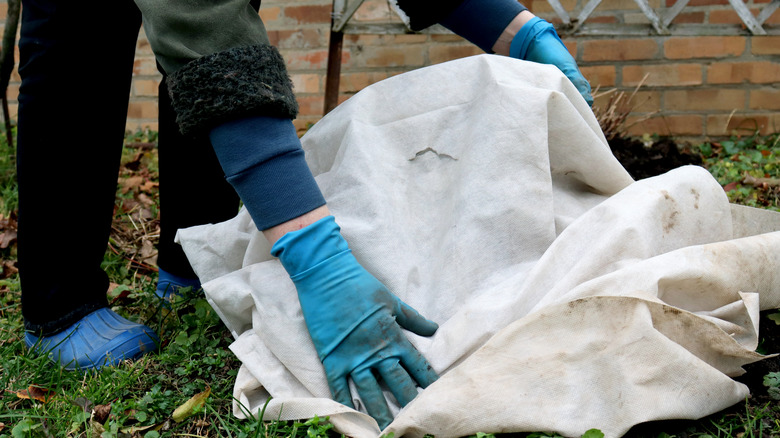
If you've already planted seeds in the garden too early, though, there are some protective measures you can take. These mis-timed seeds can benefit from blankets during cold snaps, so have a row cover made of fabric, like Alphatool Plant Covers, at the ready if a frost is in the forecast. The best material to cover your plants with is fabric, not plastic, which runs the risk of overheating.
Plants started too early indoors can be weak or overgrown
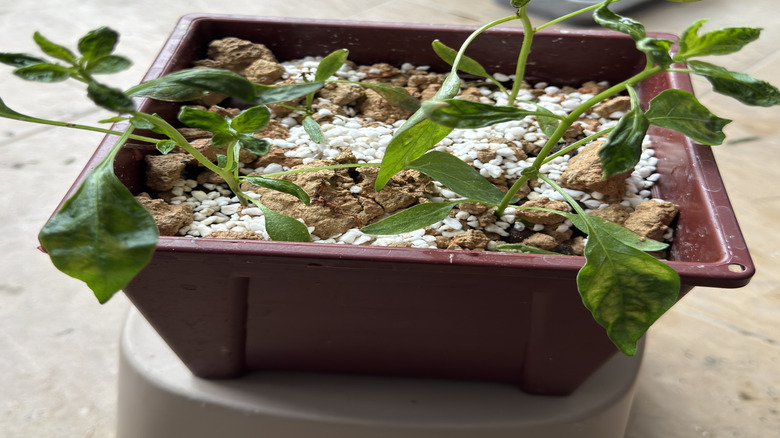
It's just as important to wait for the right time if you're working with seeds you plan to start indoors and transplant to the garden. While temperatures are more predictable inside, sowing too early is still one of the biggest mistakes you can make when starting seeds indoors. You'll get poor, scrawny transplants, especially if all you have is window placement, because they will grow too tall and thin without adequate light. Another risk is that they can grow too large for the containers you start them in. Transplanting them to a bigger pot is an option, but the bigger they get, the trickier they will be to care for inside. It can be hard to keep up with their fertilizing needs, and you may end up with an ailing plant. Whether the seedlings are too weak, too large, or both, they can be difficult to successfully transfer to the garden once the time comes.
Some planning can help you avoid this fate. Just like with outdoor sowing, you'll need to know the date when frost stops being a danger, but you'll also have to factor in the time it takes for the seed to germinate. This usually works out to starting the seeds indoors four to eight weeks before planting them outside after the last frost, with the exact timing varying based on the specific plant.