

Keep Your Croton Plants Healthy Throughout Winter With One Essential Tip
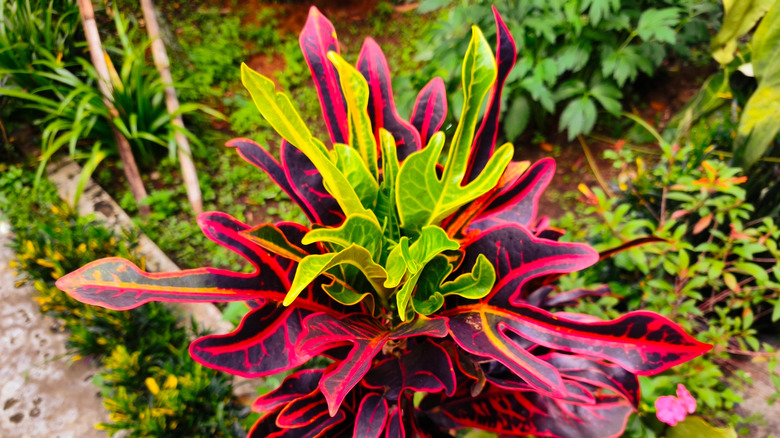
Winter can be a challenging time for many plants, especially those that do better in a warm, stable environment. Tropical plants, such as the croton (Codiaeum variegatum), are very sensitive to colder temperatures. So, if you want to keep your croton plants healthy, don't just bring them inside during the winter months; keep them indoors all year long. This will prevent winter stress and will help keep your plants steady throughout the year.
Crotons are loved for their striking, colorful leaves but they are tender and do not handle fluctuations in their environment well. As they are only hardy is USDA zones 11 and 12, sudden light or temperature changes can interrupt the plant's normal growth pattern. This can lead to stress and leaf drop; both signs that your croton plants are in trouble. A stable indoor setting allows your crotons to adjust to seasonal changes gradually. It reduces exposure to cold drafts, as well as protects them from unexpected drops in temperature and light changes that occur during the winter. By limiting these changes in the environment, croton plants can maintain their foliage and their overall health.
Keeping crotons inside makes care more consistent
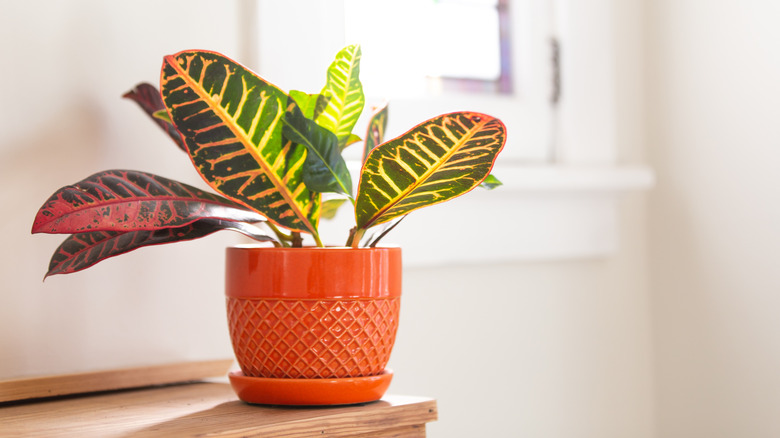
If you are planning to keep your croton plants indoors all year, be careful about where you place them. Even inside, dips in overnight temperature or cold snaps can affect these sensitive perennials. Croton plants prefer warm, temperature-stable settings, meaning areas near drafty windows or frequently used exterior doors should be avoided. It becomes easier to control conditions indoors. For example, bright, indirect light is especially important during the winter, when daylight hours are naturally shorter. So, find a well-lit window that avoids direct contact with the cold glass, as this will provide a good balance of warmth and light.
By keeping croton plants inside, factors like watering schedules and humidity are easier to adjust gradually as the seasons change, which can help prevent stress. For instance, croton plants require less water in the winter and more hydration in the warmer months. With indoor plants, you can easily reduce their water intake gradually as the days get shorter and the temperatures get cooler. When the plants remain in a stable indoor environment, small seasonal changes are less likely to cause setbacks. That consistency is why keeping croton plants indoors all year remains the most reliable way to support their health and provide them with stable and consistent winter care.