

The Clear Sign That A Piece Of Thrift Store Furniture Isn't As Old As You Think

Vintage furniture is popular for a number of reasons. Finding a beautiful piece of vintage furniture in a thrift store is less expensive than new furniture and usually of better quality. Plus, authentic vintage furniture is often made of solid wood and features impeccable craftsmanship. When you want to include vintage or antique furniture pieces in your home, you may be wondering what to look for and where to find quality vintage furniture. The best places to shop for vintage furniture include thrift stores, flea markets, antique stores, estate sales, and online marketplaces. Browsing both in stores and online provides you with a wider selection of options.
Mixing old and new furniture is the best way to keep your house from looking like a thrift store, because pairing contemporary pieces with vintage furnishings can give the space an elevated look and create visual interest. When deciding which vintage pieces to include in your home, it is important to know what to look for, including the signs that a piece of furniture is not as old as you may think. There are a lot of reproductions out there, so if you're a stickler for authenticity, the clear sign that a piece of thrift store furniture isn't as old as you think is plywood backing.
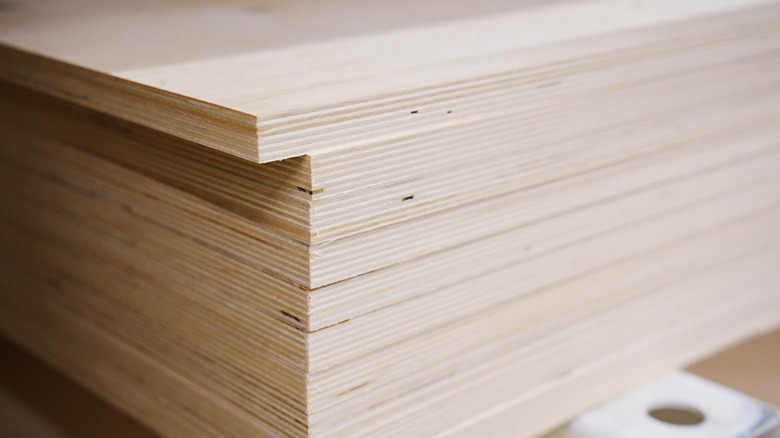
Avoid furniture with plywood backing
When shopping for vintage furniture, you may wonder how much vintage furniture in your home is too much, and how to tell if a piece is really vintage. Experts recommend a formula of 80% contemporary furniture and 20% vintage pieces. Furniture that's retro or looks old isn't necessarily vintage. Furniture that is between 20 and 99 years old is considered vintage. Antique furniture is 100 years old or older.
Unfortunately, when shopping in a thrift store, you usually won't know the exact age of a piece of furniture. However, the materials it's made of are one indicator of the age and quality of a piece, especially when you have no information about its origin. Plywood backing is one clue that a piece of furniture is more modern than you thought.
Plywood is a sign of mass-produced furniture, rather than vintage or antique. Plywood backing didn't become commonly used until the 20th century. Seeing plywood on the backs of furniture in a thrift store indicates that the furniture was constructed using modern manufacturing processes. This isn't always a bad thing, but it's important to know what you're buying, especially if you're looking for an antique.
Identifying vintage furniture at the thrift store
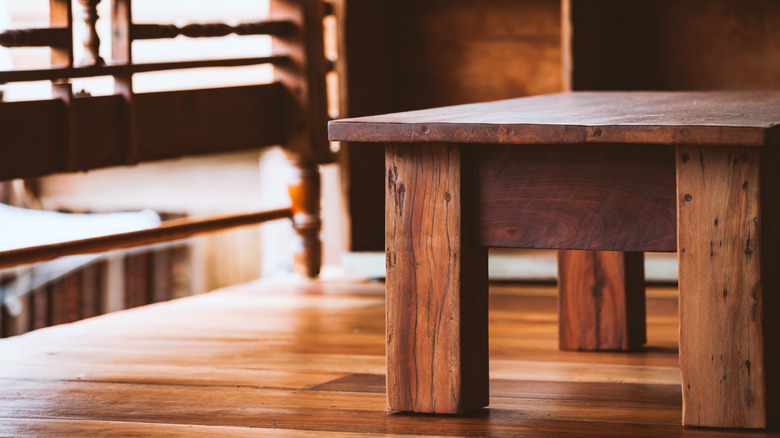
When browsing furniture at thrift stores or estate sales, identifying authentic vintage furniture means paying attention to certain features. The style of the furniture can provide clues about the age of a piece. Art deco designs were popular in the 1920s and '30s, while mid-century modern was common in the 1950s. If you're looking for furniture from a specific period, it can be helpful to look at pictures of furniture from those decades.
Materials and construction methods are other clues that a piece of furniture is vintage. Vintage furniture is made from solid wood rather than plywood, laminate, or other engineered materials. In addition to the wood, take a moment to look at the places where pieces are joined together, which is known as joinery. Dovetail joints were used throughout the 1800s and into the 20th century. Older furniture usually has hand-cut dovetail joints, while furniture built after 1895 has machine-cut dovetail joints. Wood pieces stapled together are also a sign of newer furniture.
Open the drawers and check the drawer slides. Older furniture has wood slides rather than metal tracks that are commonly used in modern furniture. Taking the time to examine a piece of furniture before spending your hard-earned money will help you get exactly what you want at a great price. Once you find a beautiful piece, the easy and affordable way to give vintage wood furniture a modern update is by replacing the furniture hardware.