

The Cold-Hardy Herb That Will Thrive In Your Winter Garden
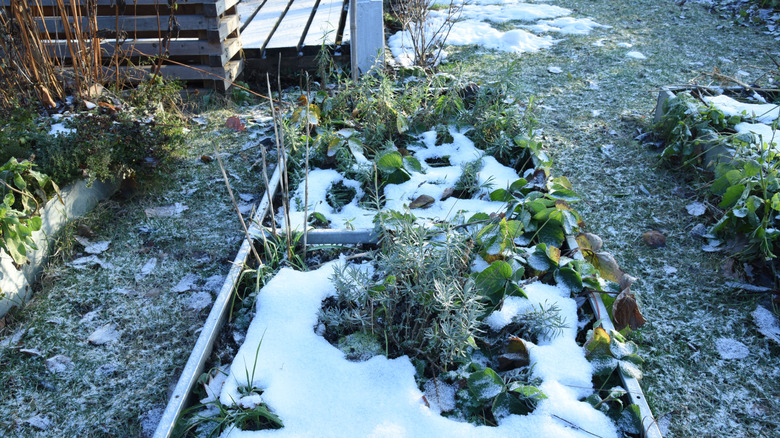
Cold weather and harsh conditions can make it difficult to maintain a healthy herb garden through the winter months – some herbs are naturally better suited to cooler conditions than others. If you're willing to look beyond the common warm-season herbs you can easily propagate in winter, like basil, oregano, and thyme, this opens the door to some interesting, more resilient options. Cold-hardy herbs are often better equipped to survive fluctuating winter conditions than some of the tender annual varieties. One that stands out for its ability to handle cooler weather is winter savory (Satureja montana), a perennial herb that is part of the mint family. It is commonly used in cooking and features a peppery, slightly earthy flavor that works well with meats, beans, and other savory dishes. Unlike its annual counterpart, summer savory, this lesser-known herb forms a compact, shrubby plant rather than soft, flexible stems.
Winter savory is most often grown as a compact herb plant that stays mostly low to the ground. Unlike many herbs that are started fresh each season, winter savory is usually maintained in the garden for a couple of years before being replanted. Depending on your preferences and space available, winter savory can be grown in the ground or in containers. Because of its compact size, it fits comfortably in small gardens, patios, or balconies. It's also one of several herbs that can be grown indoors during winter depending on space and light. Gardeners who plant winter savory treat it as a long-term garden member rather than a short-lived seasonal herb. Together, these traits help show how winter savory fits nicely into a winter garden.
What thriving looks like in a winter garden
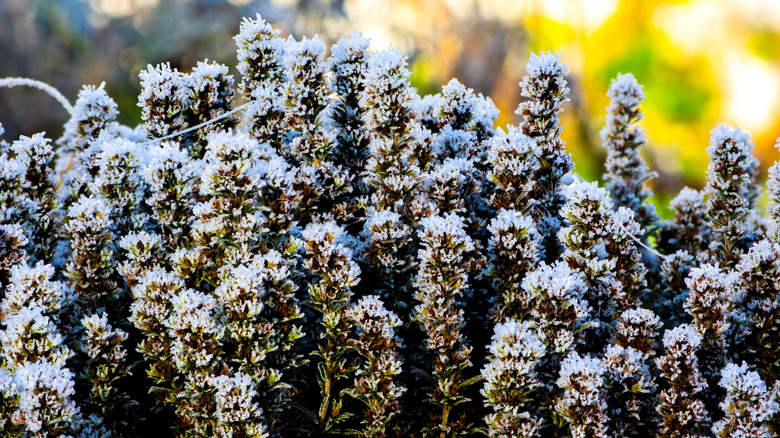
Part of what makes winter savory so adaptable to cooler seasons is how the plant is structured. Unlike some other herbs with soft stems, winter savory's stems become firmer and more woody as it grows. These firmer, woodier stems generally hold up better as temperatures fluctuate. Because winter savory is a low-growing plant that stays close to the ground, it's less exposed to wind and cold air. These characteristics don't make your winter savory invincible, of course, but they do contribute to its cold tolerance and shape how your herb performs once the cold weather sets in. Even though this woody herb is resilient in cold weather, it still benefits from being mindful about where you plant it and being aware of changing weather conditions.
Thriving in a winter garden doesn't always mean the plant will have active growth or production. Winter weather naturally shifts most plants into a slower, quieter phase so they will be ready to grow again in the spring. As temperatures drop, even cold-hardy herbs like winter savory tend to slow. Remaining viable through cold weather is often the primary goal of winter gardening. Depending on the climate, gardeners may be able to harvest small amounts of winter savory during the winter months, even as overall growth slows down. The traits that this hardy herb possesses allow it to hold its place in the garden long after tender herbs have faded. For winter gardens, that kind of reliability is exactly what thriving looks like.