

12 Best Foods & Seeds To Attract A Range Of Stunning Birds To Your Yard
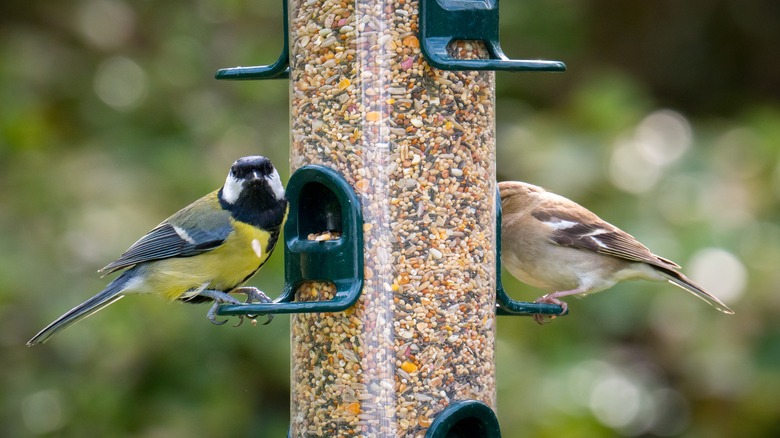
Bird seed is one of the most popular and accessible ways to attract beautiful birds to your yard. It's affordable, widely available, and easy to use. The most common seeds attract familiar backyard visitors like sparrows and finches, but relying on a single type of seed doesn't always deliver the variety that many bird lovers hope for. In fact, some types of birds do not eat seeds at all. Fortunately, backyard bird food is far from one-size-fits-all. Different birds are drawn to different foods, from seeds to bugs to dried fruits, and you can offer multiple foods to tailor your backyard bird-watching experience and attract a wider range of species.
Each type of food will attract a specific set of birds with unique feeding habits and beak types. Choosing the right bird food will depend on the types of birds you want to see more of, as well as the feeding method you prefer. For example, to attract insect-eating birds like robins, mealworms are a good choice. Ultimately, the best foods for inviting more birds into your backyard space will support birds' nutritional needs while fitting your budget, space, and maintenance preferences.
Black oil sunflower seeds
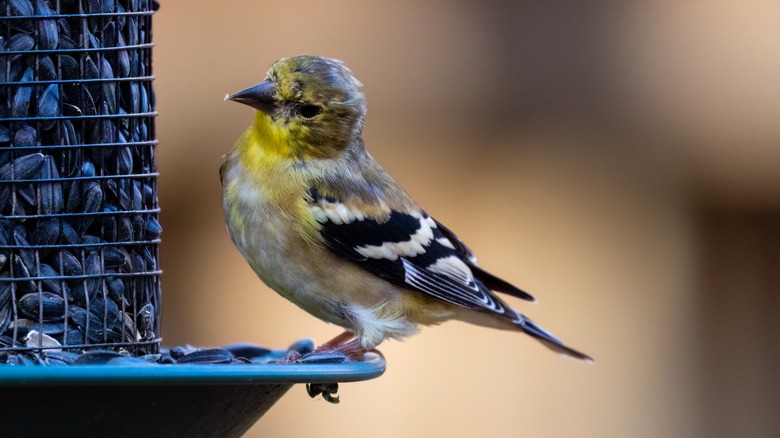
Black oil sunflower seeds are one of the most versatile bird foods. They're high in fat and protein, as well as easy for many bird species, even smaller ones, to crack open. Common birds that enjoy these seeds include finches, sparrows, blackbirds, woodpeckers, and cardinals, to name a few. All in all, there are more than 40 species of birds that you can attract with black oil sunflower seeds, making them an ideal choice for encouraging bird diversity in your yard with a single food.
Hulled sunflower hearts
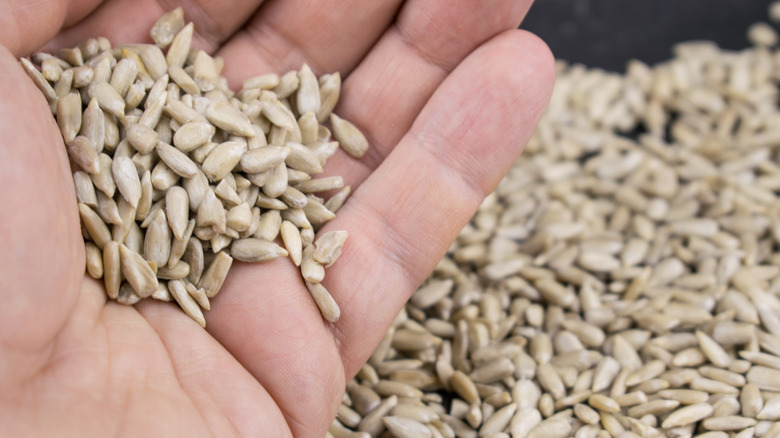
Hulled sunflower hearts are popular because they offer the nutritious meat of sunflower seeds without the mess of shells. Since the shells are removed, there's no debris to clean up on decks or yards, and birds can eat the seeds more easily. Like other sunflower seeds, they're rich in protein, fat, and fiber to support birds' nutritional needs and attract a variety of species, including blue jays, tufted titmice, and chickadees.
Thistle seed
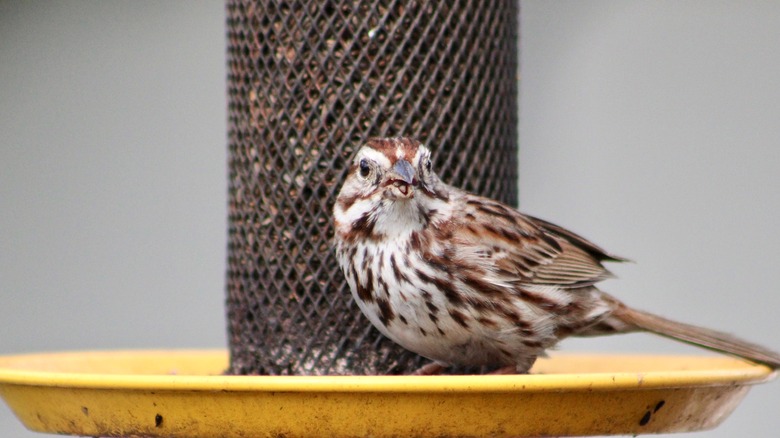
Thistle seed, also known as nyjer seed, is a tiny, oil-rich bird food that attracts a wide variety of wild birds. Because the seeds are small and high in fat, they are especially loved by finches, as well as sparrows, chickadees, titmice, juncos, and other small songbirds. Thistle seed is also great for attracting more goldfinches to your yard. To feed thistle seed effectively, use feeders designed for tiny seeds and only add a little at a time, since they can go bad within six weeks.
Safflower seeds
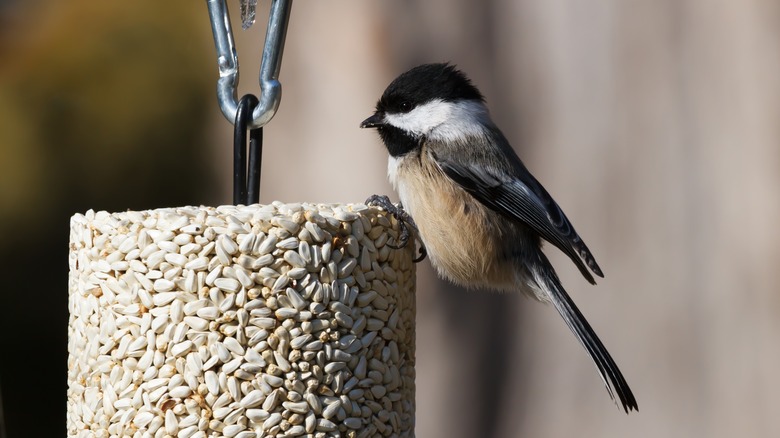
Safflower seeds are a nutritious bird food with a high fat and protein content. Many birds with strong beaks enjoy them, including northern cardinals, chickadees, finches, tufted titmice, mourning doves, blue jays, woodpeckers, and grosbeaks. Even certain birds that primarily eat insects, such as nuthatches and indigo buntings, will also eat safflower seeds when available, either at feeders or on the ground.
Millet
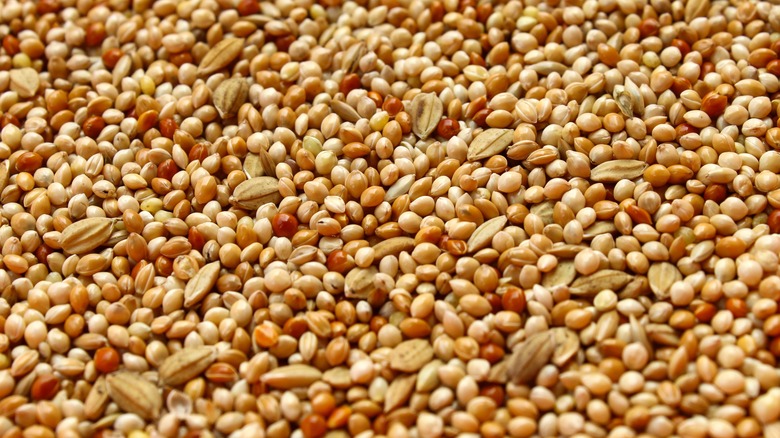
Millet, particularly white proso millet, is a popular seed for attracting ground-feeding birds when scattered on the ground or offered on tray feeders. A wide range of birds enjoy millet, including northern cardinals, mourning doves, dark-eyed juncos, sparrows, and northern flickers, as well as various blackbirds. Some less desirable species, like starlings and crows, may also be drawn to millet, so it may not be the right choice if you're trying to avoid those.
Cracked corn
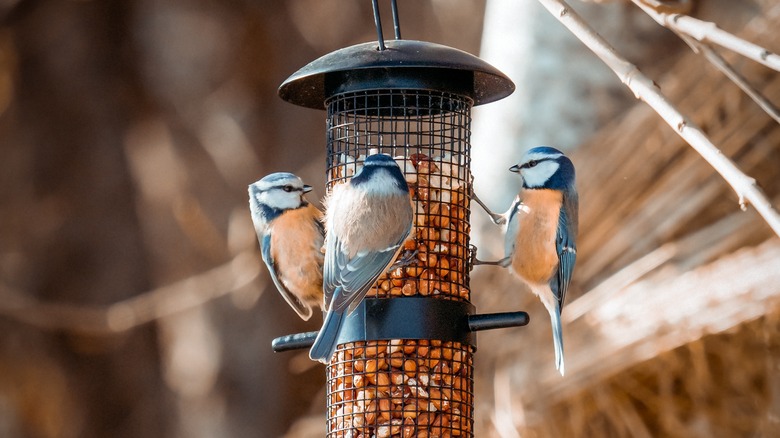
Cracked corn is another seed that is popular with many different birds, especially sparrows, finches, jays, doves, quail, blackbirds, and chickadees. This food is high in carbohydrates, so it's a great source of energy. For balanced nutrition, though, it should be mixed with other foods. Offering it in blends along with seeds, fruits, and/or insects can help draw a more diverse range of birds to your yard while also meeting more of their nutritional needs.
Peanuts

Many birds enjoy peanuts, which are a rich source of fat and protein. Species that eat peanuts include nuthatches, chickadees, titmice, woodpeckers, northern cardinals, blue jays, European starlings, and mourning doves. Larger birds, like crows and jays, prefer whole peanuts with the shells on, while smaller species prefer shelled or chopped pieces, which are easier to handle. Make sure to provide peanuts in the right way, such as on trays or in mesh feeders, to attract the specific types of birds you want in your yard.
Mealworms
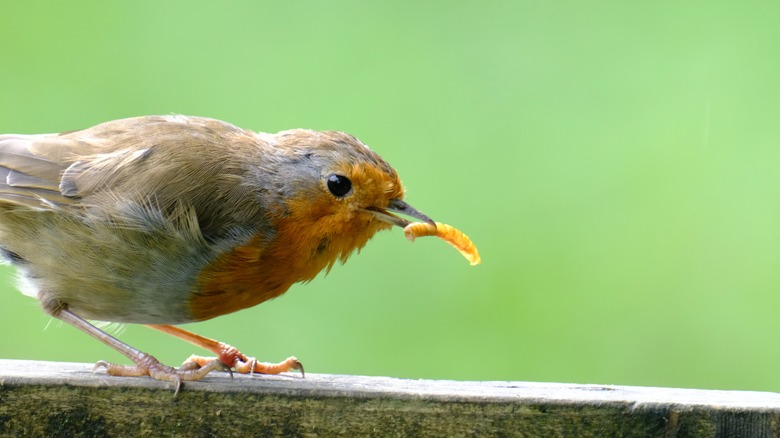
Using regular seeds isn't going to attract all types of birds. Mealworms, either dried or live, are a protein-rich treat for vermivores, birds that eat worms and insects. Robins and mockingbirds, for example, are well-known insect eaters who will enjoy mealworms over seeds. Many other birds, such as blue jays, woodpeckers, chickadees, nuthatches, warblers, and cardinals, will also eat them when offered. Mealworms are especially appreciated in the winter when insects are scarce. Both live and dried mealworms work, though many birds prefer live ones because they resemble natural prey.
Suet cakes
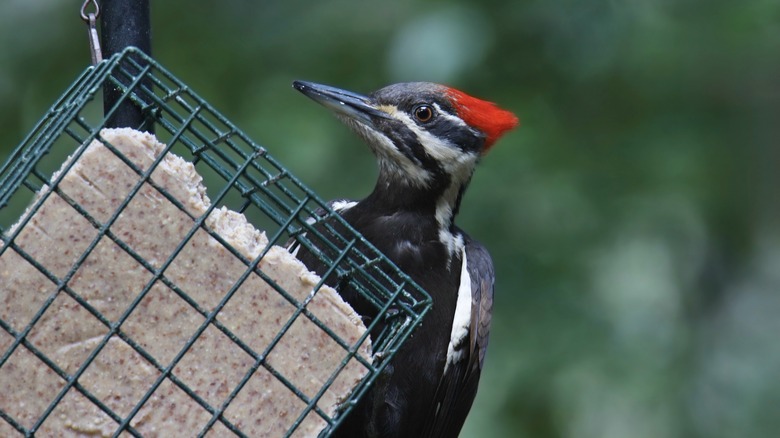
Suet is an animal-derived fat, often sold in cakes mixed with seeds, nuts, mealworms, and other bird foods. Suet cakes provide a high-calorie snack for birds and can be offered in specially designed feeders to make it easy for birds to eat. Suet cakes attract a variety of bird species, including woodpeckers, chickadees, nuthatches, and titmice, as well as other insect-eating birds. You can also make suet cakes at home, tailoring the specific ingredients to the species you hope to attract.
Fresh or dried fruit
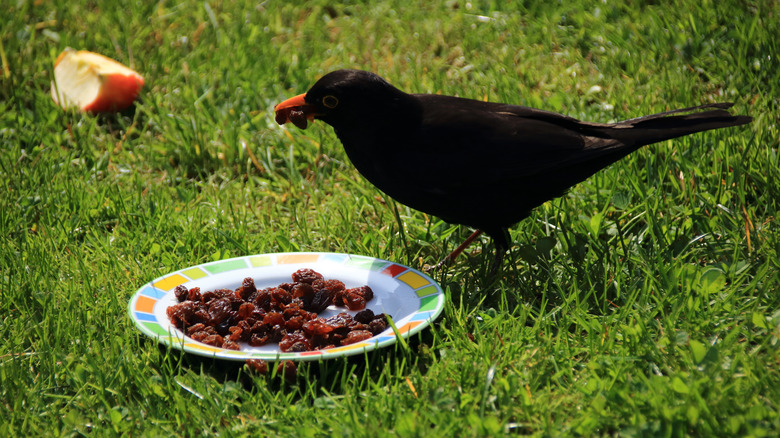
Dried and fresh fruits are energy-rich, easily digestible treats for birds, providing sugars and other nutrients. Fruits that attract a wide range of birds include raisins, currants, cranberries, and even apples. You can expect to see species like robins, bluebirds, mockingbirds, and catbirds. To make dried fruit safer, soak it in warm water before feeding and cut larger pieces into smaller bites. You should also avoid dried fruits treated with sulfites or added sugars and clean leftover food to prevent spoilage.
Milo seed
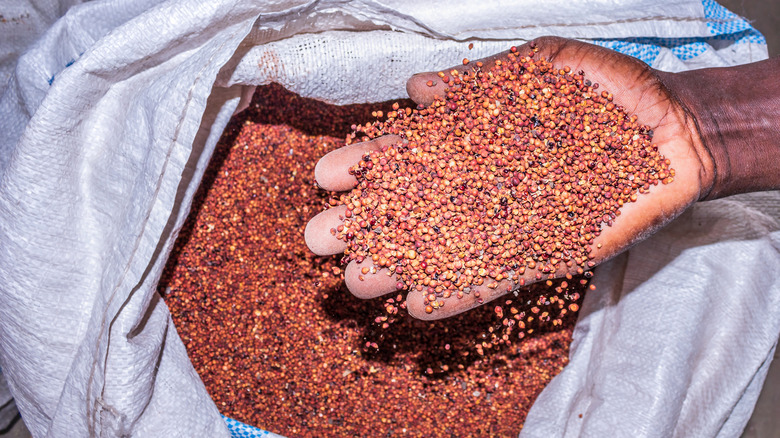
Milo seed, or sorghum, is affordable and nutritious, offering fiber, protein, vitamins, and minerals. While not all backyard-frequenting birds enjoy milo, it's appealing to Western ground-feeding birds, such as Steller's jays, curve-billed thrashers, and Gambel's quails, who even prefer milo over sunflower seeds. Milo can be offered in various types of feeders, but ground trays or platform feeders work particularly well.
Quinoa
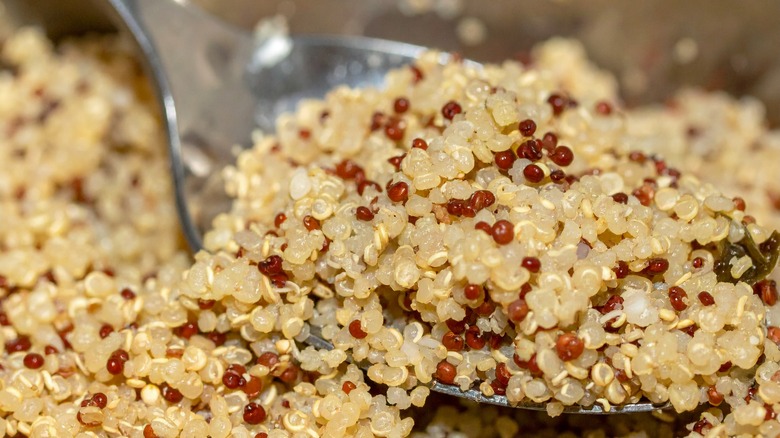
Birds benefit from quinoa's high levels of protein, vitamins, minerals, and antioxidants, making it a nutritious supplemental food. Offer it occasionally alongside seeds, grains, and fruits to diversify your backyard birds' diet. Before feeding it to birds, quinoa should be rinsed and cooked to remove saponins and make it easier to digest. Once it's cooled, you can place small amounts on flat surfaces or in feeders. Birds that tend to enjoy quinoa include doves, pigeons, sparrows, and finches.