

How To Heat Your Gutters In The Winter To Prevent Ice Damage
We may receive a commission on purchases made from links.
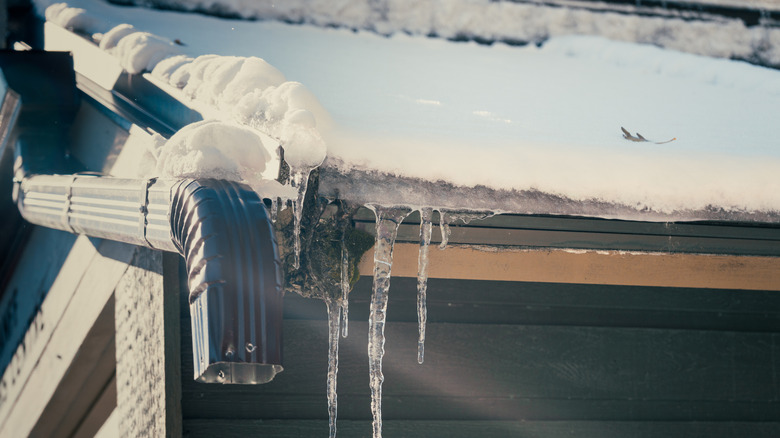
Overactive rain gutters can be dangerous for more than just the itsy-bitsy spider. Gutters are designed to collect and lead away rain water so your roof and foundation are less susceptible to damage, but if debris starts backing up the system, it could exacerbate rather than solve the problem. A backed-up gutter might start to corrode. If it leaks onto an unprepared part of your home, this may cause damage to the woodwork, siding, or foundation and possibly even mold growth. There's more to worry about during colder winter months, when water will expand as it freezes and potentially leave bigger gaps once it melts. This type of structural damage might even cause the gutter to pull loose from its mounting. Heating your gutters to prevent any icy buildup is a home maintenance task you should jump on ASAP, if you haven't already. Luckily, there are plenty of good solutions: Heat cables from brands like Frost King, heat tape from companies like BriskHeat, and heat panels can all help to get your home's ice buildup issues under control.
Aside from the damage to the gutters themselves, there's another big reason you'll want to use heat tape and other products to prevent ice from forming: ice dams. If a dam forms at the edge of your gutters, it will back up snow and rain water higher on the roof. As the house unevenly loses heat, those puddles (sometimes trapped beneath a sheet of snow) can leak into the roof beneath shingles. Between these concerns and icicles that need to be safely removed from your home, the importance of good gutter heating is hard to overstate.
Heat cables and tape can help prevent ice damage on gutters
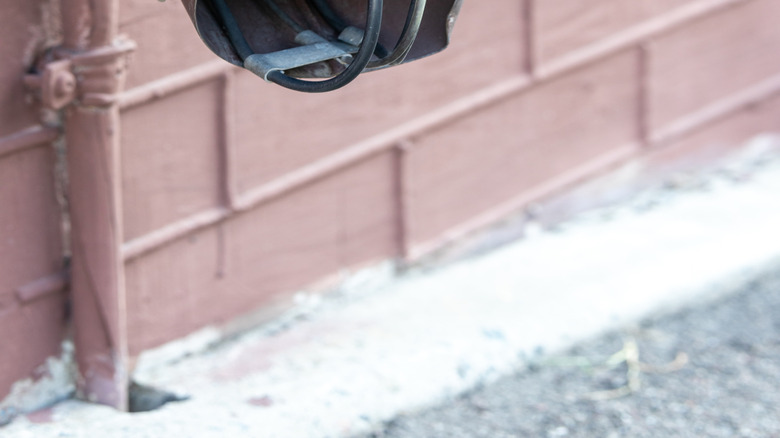
Stopping gutter damage via ice dams and other wintertime concerns is, in part, going to be a preventative matter of regular cleaning. If you clear debris like leaves from your gutters and spouts and minimize the accumulation of snow with tools like a roof rake, ice dams will be less likely to form. However, applying some heating solutions so that ice doesn't crystallize and back up is going to be a big help. There are electric heating cables designed to prevent your exposed pipes from freezing and bursting in your basement, but these will just as easily line the inside and undercarriage of your gutters. Heat tape is similar but typically involves multiple wires wrapped together in plastic insulation.
Heat cables will tend to work best in more flexible locations where you may need to tailor the amount of heat being generated, whereas heat tape works better in straightaway sections of gutters that you can pre-measure in smaller amounts. Heating cables typically cost less than tape, with options starting as low as $2 per foot of cable or $8 per foot of tape. There are fancier self-regulating varieties that will do things like activate based on a thermostat reading. The length of heating application you need can be measured as easily as running a tape measure across the length of your gutters. However, it's worth noting — especially for automated systems — that if electricity gets turned off for a while, there's still a chance for things to freeze over.
How to heat gutters with cables (and other helpful tips)
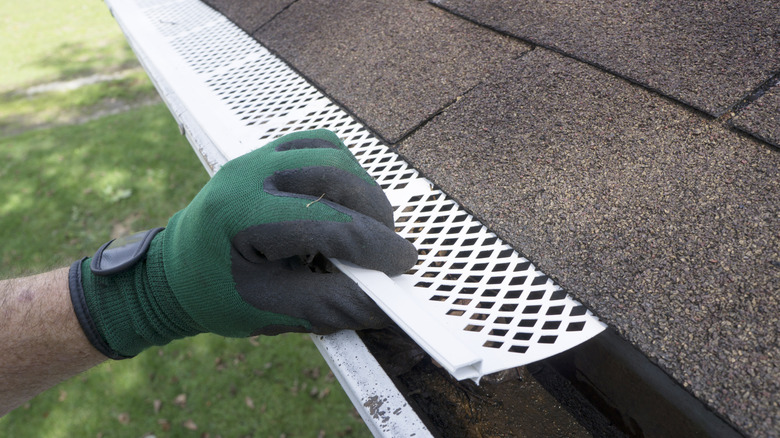
If you want a different kind of answer to heating your gutters, de-icing panels that line the edges of your roof can protect your home from build-up without much of a visual impact. You could also keep your gutters from freezing this winter by installing gutter guards; these covers will prevent debris that helps ice dams form. However, this solution may just shift the problem to debris gathering on the roof itself, which you will still need to clean on a regular basis.
Ice-melting systems can be installed at any time of year, but your best bet is going to be lining your gutters with heat cables, tape, or panels well before any heavy snowfall hits. Typical heat cables will plug into any available outlet, but ideally you should find one with GFCI protection if it isn't built into the pre-wired plug. Heat cables are often laid in a zigzag pattern on the roof so that runoff water has channels to flow through, but it's best to run the cables through the inside of the gutter (wrapping it beneath any gutter spikes) to keep that water flowing. This includes within the downspout and the drain pipe if it isn't below the frost line or has a kink that might back up with ice. Cables can be secured with more permanent brackets, or you could choose attachments like clips to keep them loosely where you want those water channels to run. Heat cables and other gutter heating solutions, alongside indoor prep work like fixing up the insulation in your home, offer a great way to protect yourself and your family from the dangerous effects of winter.