

12 Ways To Safely Prevent & Remove Ice So You Don't Damage Your Gutters Or Downspouts
We may receive a commission on purchases made from links.
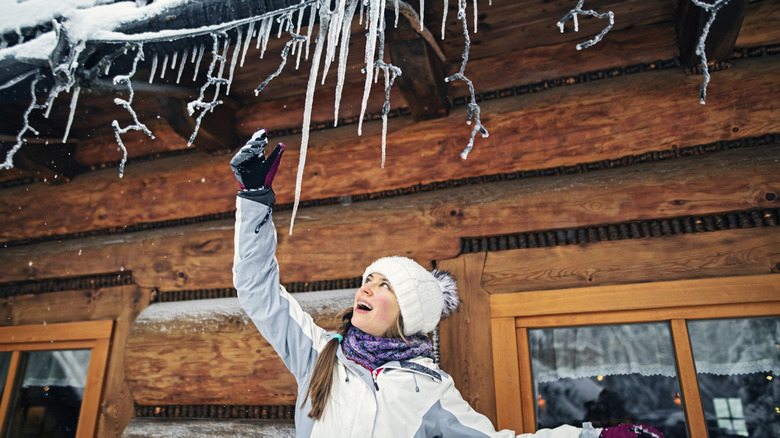
Depending on where you live in the United States, the first snow falls somewhere between the end of October and the first of December. Everything is draped in snow and ice, making it look clean and peaceful. However, if you're a homeowner, you know the ice and freezing temperatures can cause widespread damage to your property, including everything from cracks and leaks to burst pipes.
Most roofs can safely hold some accumulation of packed snow. During the day, when the sun starts to warm things up, the snow begins to melt. At night, when temperatures drop again, the snowmelt refreezes, creating heavy ridges of ice, or ice dams, that prevent gutters from draining properly. The weight of these ice dams can pull gutters away from the roof and cause water to build up under shingles. You may start to notice interior water damage, including spots on ceilings or puddles on the floor. If this happens, you need to act fast to remove the ice without causing additional damage. The following guide outlines 13 strategies to help safely remove ice without damaging your gutters or downspouts.
Install gutter heating cables to keep water flowing
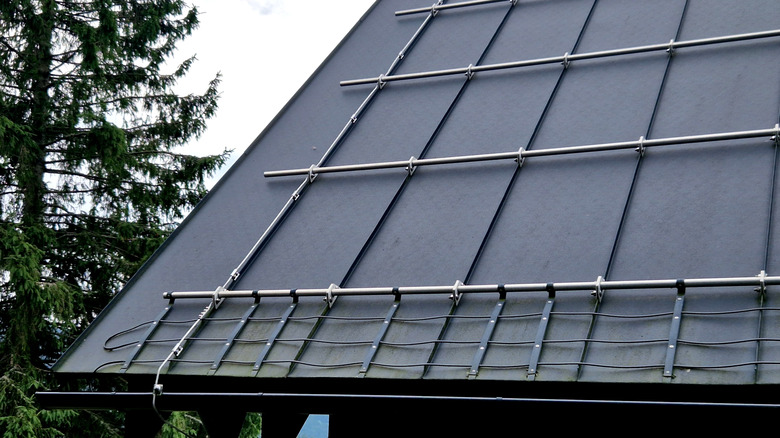
De-icing cables, or gutter heating cables, use electrical resistance to generate heat. Rather than melting all the snow on your roof or in the gutters, which would cost a small fortune in electricity, these cables help create a warm pathway. Water flows continuously through these pathways in the ice and snow, into the gutter, and then down the downspout before it has the chance to refreeze. Options like the H&G Lifestyles Roof Heat Cables offer lengths ranging from 6 feet to 80 feet, and when installed correctly, they should not cause any damage to your roof, gutters, or downspouts.
If you are a DIYer with basic knowledge of electrical safety standards, it's possible to install the cables yourself to save money. For those with little to no experience, a professional installation is probably the best choice. Start by laying the cables in a zigzag or serpentine pattern along the lower eaves of the roof, clip them in place, and then extend them into the gutter and downspouts. Safeguard against electrical shock and fires by plugging cables into a ground fault circuit interrupter (GFCI), not a regular outlet. To get the most out of the system once it's installed, turn it on immediately before the snow starts piling up.
Melt ice gently by using warm water
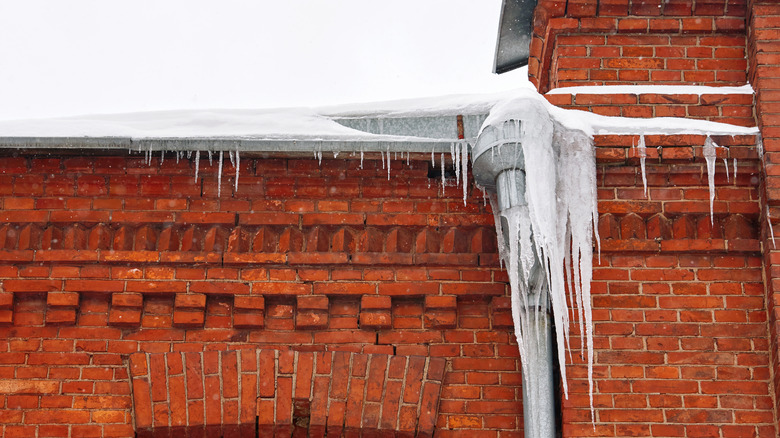
If you search the internet for clearing ice dams, some sites will tell you to use boiling water. This method can be dangerous, causing serious burns. Hot water can also cause some metals, like copper, to corrode more quickly. Warm water is the way to go if you want to get water flowing again in your downspouts. The solution is only temporary, but it can be enough to shrink the mass that's causing ice to block the drainage system.
The safest way to do this is to connect a garden hose to a threaded tap in your home, such as a kitchen sink or utility sink in the garage. Turn on the tap and adjust the temperature until you have warm water. Hold the hose over the top of the downspout or along the edge of an ice dam. Let the water flow until the ice melts and the dam breaks away. This may take a while. If the outside temperature is below freezing, make sure the drain isn't on walkways where the water can freeze and pose a safety hazard. You may be tempted to use a pressure washer that uses warm water to speed things along. However, pressure washers with a PSI of more than 1,800 can damage gutters and your roofing tiles.
Use the stocking method
Deicers, like sodium chloride (salt) and calcium chloride, are chemical compounds that keep water from freezing at the normal freezing point of 32 degrees Fahrenheit. Calcium magnesium acetate is one of the safest and least toxic, but it costs more than other deicer products. While it's considered an excellent deicer for roads and driveways, it's also highly corrosive and can cause premature rust on aluminum and steel gutters. Calcium chloride is another safer choice than rock salt (because it doesn't contain cyanide, and it's less expensive than calcium magnesium acetate, but it can still pose a risk to plants thanks to the chloride content.
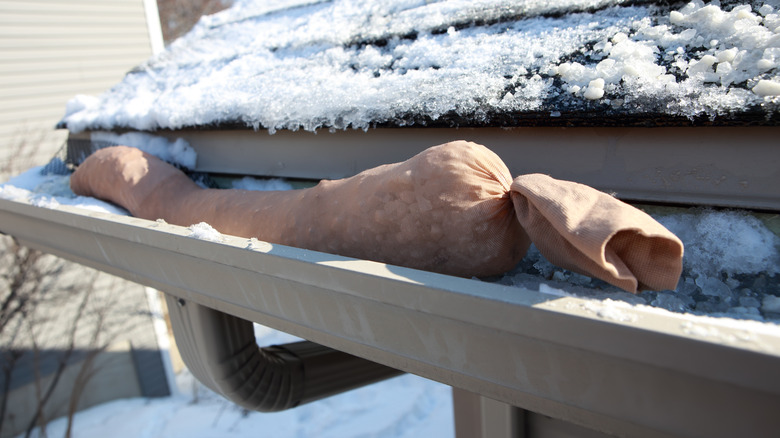
When applying a deicer to gutters, the goal is to melt enough of the ice to get the water flowing again. Many homeowners swear by the stocking hack that can help remove ice from gutters. Simply fill a pair of nylon stockings with deicer and tie off the ends. Toss the stocking into the gutter or along the roof line. As the ice melts, it creates a brine that prevents ice from reforming. One thing to keep in mind is that this solution is a temporary fix and shouldn't be used long-term, especially if you're using calcium chloride. Excessive amounts of calcium chloride can kill plants by changing the pH of the soil below the roof line. To minimize risks to plants nearby, you might want to opt for calcium magnesium acetate.
Clear overhangs with a specialized snow rake with gutter attachment
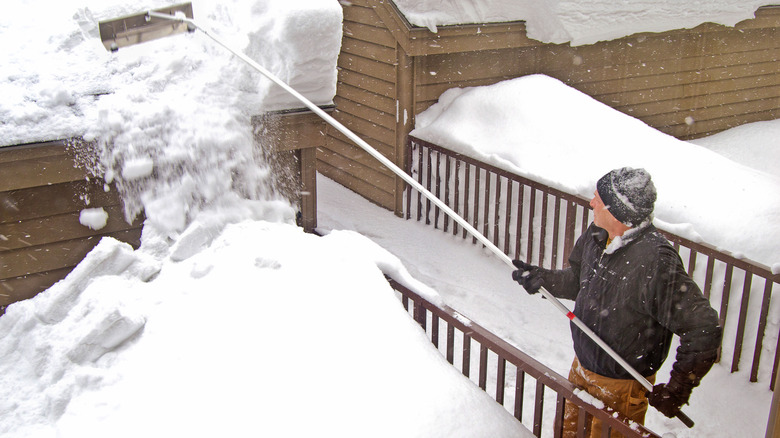
When snow piles up on your roof, it creates a layer of insulation, trapping heat coming from your house against the roof deck. This can cause the snow to melt in some places. The melted snow trickling away from these spots can then refreeze when it hits colder areas, like the eaves and gutters. Removing excess snow can help prevent this, and a snow rake is the tool you need to help clear snow off your roof and gutters. It's a specialized tool with a long handle that allows you to reach the edge of your roof line without climbing. It can be your best friend when it comes to ice because it deals with the source of the problem. A snow rake with a slide attachment (like the Avalanche! Snow Roof Rake) can remove a large amount of snow at a time by creating a smooth pathway for the snow to slide off.
To use the snow rake with the slide attachment, start by preparing the area. Remove any plants, bikes, vehicles, or outdoor furniture that might become damaged when the snow falls. Be sure to wear warm clothing, and if possible, a hard hat in case you get hit by ice or falling snow. Roll the snow rake up the roof, starting near the gutter line. As you roll the rake up the roof, snow slides down the attachment and onto the ground. Most attachments have wheels that roll on the roof surface instead of sliding on the tiles, which helps prevent damage. If you're using a regular roof rake to pull snow down, you'll need to drag the snow you can reach downwards, and then quickly step back out of the way as it falls.
Increase attic insulation to reduce heat loss
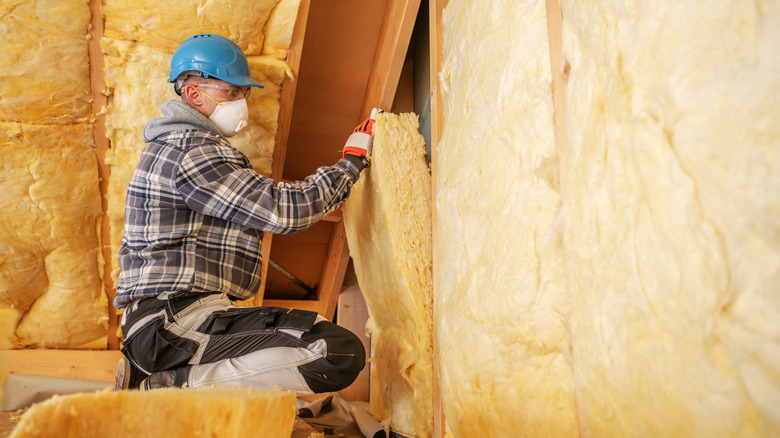
One of the primary reasons ice dams form is a warm attic. Without enough insulation, heat escapes from inside the main living area and warms the roof deck. As we outlined earlier, this causes snow to melt, which runs down to the cold eaves and then freezes. By increasing the R-value of your attic insulation and sealing leaks, you can prevent your attic from becoming too warm and keep heat inside your house where it belongs.
Start with a thorough attic inspection. One of the best ways to insulate your attic in winter is to start by checking the current R-value rating and seeing if it matchs the regional standards. If it doesn't, add blown-in cellulose or roll out new fiberglass or mineral wool insulation. Seal up any gaps around light fixtures, plumbing vent pipes, and chimneys with expanding foam or caulk. Finally, insulate the attic door. The attic hatch can be a major source of heat loss. Add a layer of rigid foam insulation and weatherstripping to seal it tight. Upgrading your insulation can be a major investment, but it pays for itself by lowering your heating bills and protecting your home from ice dam damage.
Keep gutters clean to prevent clogs
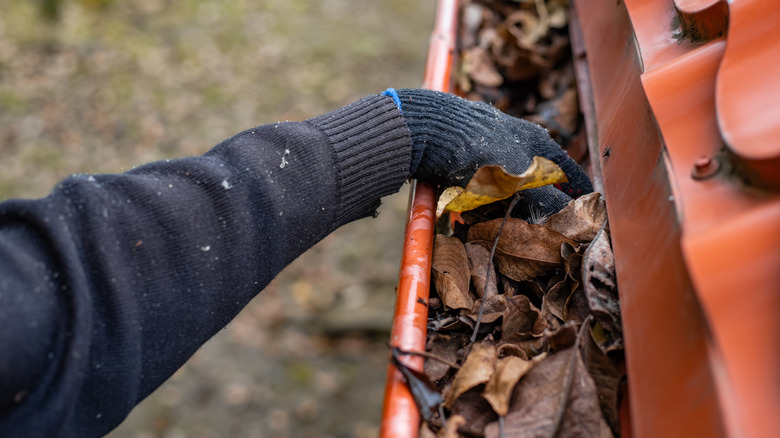
Trees add beauty to your landscape, but they can also clog your gutters with leaves, twigs, pine needles, and seeds. Because this organic matter retains moisture, it can also be a major source of ice dams. As temperatures start to drop, this buildup inside gutters can freeze even before snow starts to fall, forming a heavy band of ice that can block downspouts, cause premature rusting, and pull gutters away from the roof line.
To protect your gutters and downspouts from damage, regular maintenance is key. Be sure to clean gutters at least twice a year and after any major storms. If you have any clogs, use a plumber's snake to clear the blockage. A few tips to keep fall leaves out of gutters include keeping branches trimmed away from your roof and investing in gutter guards. You should also replace any damaged sections of your gutters as soon as possible.
Install heated gutter guards for prevention
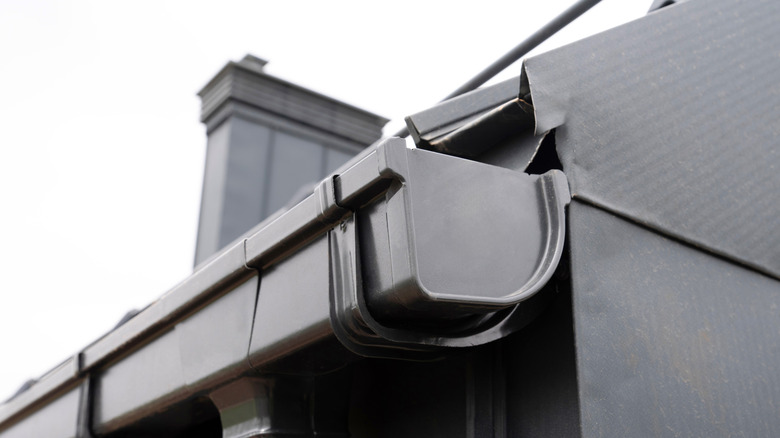
Heated gutter guards are an excellent solution for preventing snow and ice from accumulating in gutters. Using integrated heating cables and conductive panels, these gutter guards generate radiant heat to prevent ice from forming on top without causing damage. Similar to regular gutter guards, these models have mesh filters to keep leaves and other debris out. However, you should still clean your gutters even if you have gutter guards, because smaller leaves and sticks can still make their way inside.
These types of guards can usually be installed on most types of gutters, provided the gutters are in good condition. In some cases, the heating elements must be hardwired into the home's electrical system and may require a dedicated circuit. Once installed, the system uses an ambient temperature sensor or moisture detector. Some have manual switches that allow you to turn the heating elements on and off as needed. Because these guards are specifically designed for gutters, they should not cause damage when used as directed.
Target trouble spots with a hair dryer
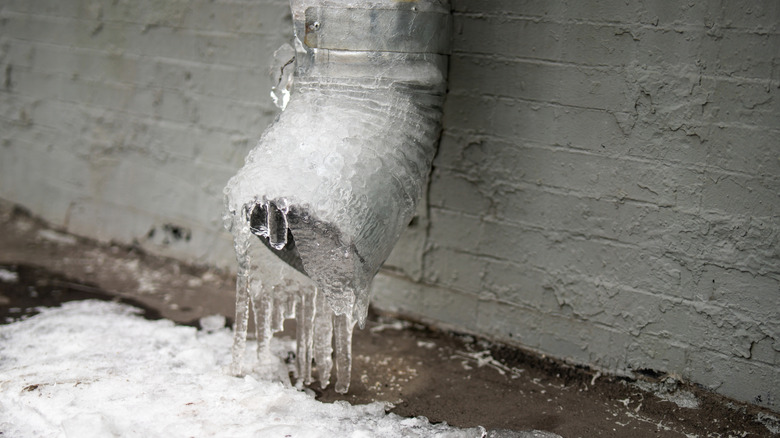
If ice has just started to form or there is a small amount clogging the opening of the downspout, you can apply heat from a heat gun or hair dryer to help remove the ice. This method is safer for gutters and downspouts than trying to use an impact tool to chip away the ice. However, be careful not to apply heat for too long, as it can melt plastic. Industrial heat guns can also melt vinyl gutters and may even ignite leaves and other organic matter inside the gutter or downspout.
Safety is key when using this method. Be careful when standing on wet ground while using electrical tools. Plug the device into a GFCI outlet, to reduce the risk of electrical shock. Start from the bottom of the downspout and work your way up. If you start at the top, the melting ice won't have anywhere to drain out. While effective, this can be a very slow and tedious process. If you're using a stepladder, make sure it's secure on the ground or have someone hold it for stability.
Ventilate eaves and ridges to create a cold roof
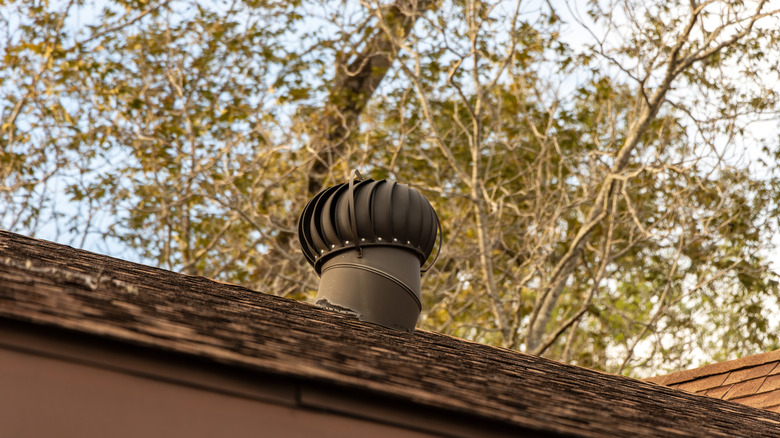
There are a few things to consider when finishing your attic. When discussing energy efficiency, it may seem counterproductive to install ventilation. However, your attic space shouldn't be airtight. Trapped heat can cause the roof deck to warm, which, as mentioned before, is a major source of ice dams. Instead, check for a slight draft, which is a good indication of healthy airflow. If your attic is consistently hot, you may need to install more vents.
To determine how many vents you need, calculate the square footage of your attic and divide that number by 150, which is the commonly recommended ventilation ratio – but you should also review local building codes. When properly ventilated, your attic draws in cool, fresh air through soffit vents along the bottom of the roof overhang. If you have soffit vents, make sure they aren't covered with insulation. Also, all vents should be cleaned periodically to remove dust, birds' nests, and other debris.
Install a de-icing system for full coverage
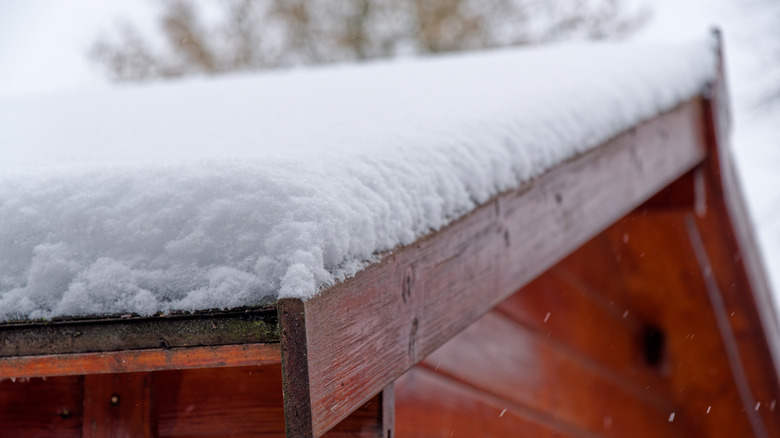
A dedicated roof de-icing system is a step up from heating cables and heat tape. It's specifically designed for colder climates that tend to get large amounts of snow in the winter. You can choose from sturdy roof heating panels or thin sheets of heating elements that are installed directly under shingles and work similarly to radiant flooring. Rather than creating a tunnel for water to flow, like heated cables, heated panels cover a larger area and help keep the entire eave and gutter edge from freezing. The best de-icing systems are "smart", with sensors that detect both moisture and ice. They won't turn on simply because it gets cold. Instead, they activate when temperatures drop and ice or snow is present.
Heated panels require advanced planning because they must be installed beneath an existing roof. You must also calculate electrical loads, install control units, and, in some cases, modify your roof line. They also require professional installation. If you're planning a new build, now is the time to consider features like this.
Hire professional gutter cleaners to ensure safety
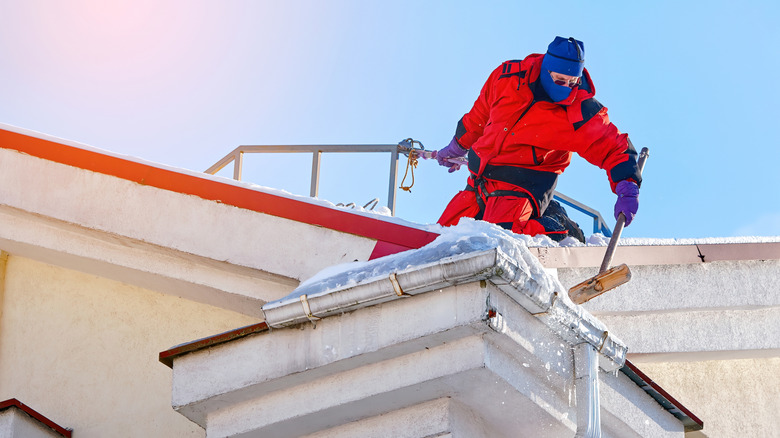
The last thing you want to do when it's snowing or your roof is icy is to climb a ladder. While professional ice dam removal can be costly, it also keeps you safe and ensures the job is completed correctly. Most professional services use a low-pressure steam cleaner to heat and melt ice quickly without causing any damage to your roof, gutters, or downspouts. Not only is this safer than other methods, but it may also help preserve the warranty on your drainage system.
For professional ice dam removal, shop around for a reputable contractor that specializes in this type of service. Check for a company that's fully insured and has experience with ice dams. The crew should show up with ladder stabilizers and harness systems to safeguard against injury. Not only will they remove any existing ice dams, but they will also clear out any frozen debris in your gutters to help prevent recurrence.