

9 Berry Bushes That Thrive In Cold Climates
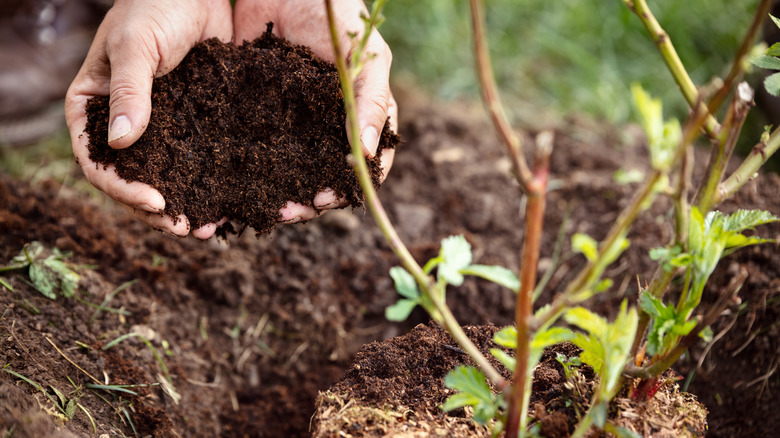
For gardeners in cool climates, the idea of a thriving, fruit-filled orchard often clashes with the harsh reality of a short growing season and chilly, biting winds. Temperatures drop below freezing, and the soil turns into a block of ice. Not much grows in areas like this. That is where certain types of berry bushes can help. Honeyberry, raspberry, serviceberry, and highbush blueberry are just a few of the many berry bush varieties that not only survive the cold climate but also produce abundant, delicious fruit for your garden.
The best part? Unlike many fruit trees, these bushes usually self-pollinate and require very little care to produce fruit. But, how do you pick the right berry bush? Well, start by researching finding your USDA Hardiness Zone and pick something that can thrive in your region. Also, consider the mature size. Make sure your berry bush has enough room to grow because squeezing it into a tight space can stress it and increase the risk of fungal problems. Finally, consider the care your berry bush will need. Timely fertilizing, regular watering, and proper pruning are all essential to keep the plant healthy and productive.
Honeyberry
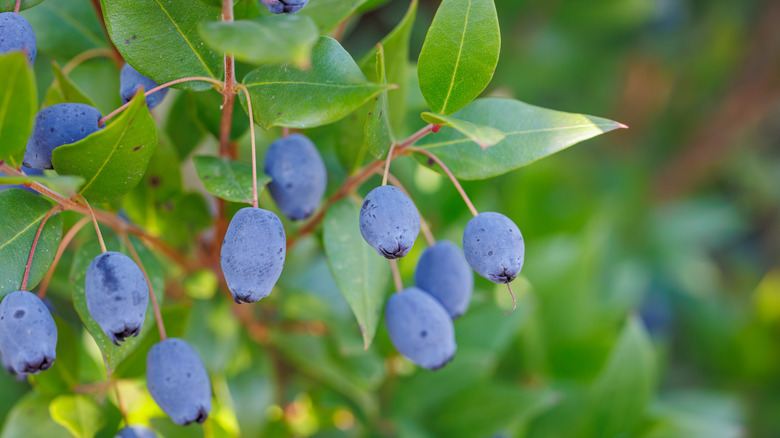
You might have never heard of honeyberries (Lonicera caerulea), as they are relatively new to the United States. They also go by several names: haskaps, blue honeysuckle, sweet berry honeysuckle, the list goes on. But despite that, they are a real treat for home gardeners. You can grow them anywhere inzones 1 to 8. They don't have any serious pest problems, and can handle even the harshest winters. Another plus? They have no thorns and grow only about 3 to 6 feet tall. So picking the fruit will definitely be an easy task.
Raspberry
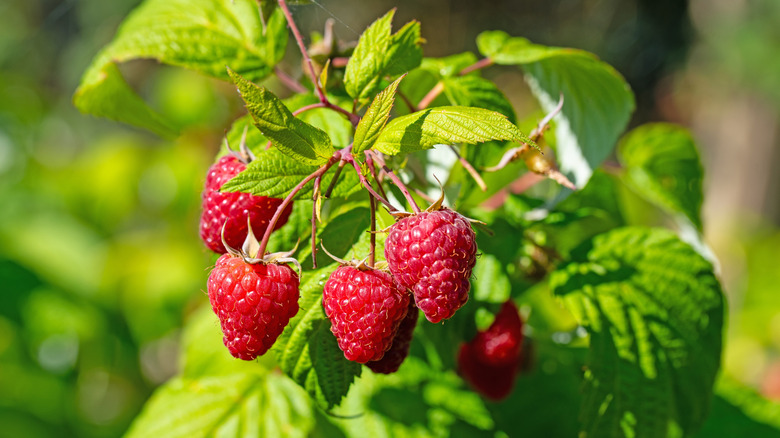
When it comes to taste and aroma, few berries rival raspberries (Rubus spp.). The plants themselves are also surprisingly hardy, and it makes growing them a breeze in home gardens. However, there is something you should consider before planting raspberries. The raspberry plants are perennial, but their canes are biennial. After two years, the older canes stop producing, which means ongoing pruning is a regular part of their care and something you just can't skip. Nevertheless, many raspberry varieties are hardy to zone 3 as long as they are planted in a spot with good drainage and full sun.
Serviceberry
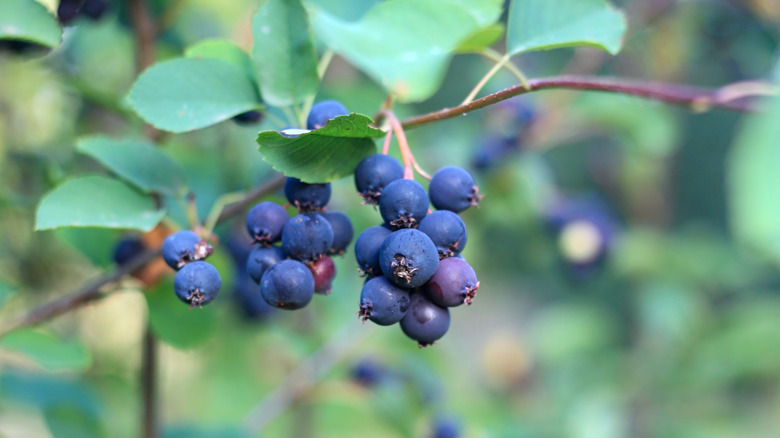
If you are looking for a fruiting shrub that will attract spring birds, you might want to consider plantingserviceberry bushes (Amelanchier spp.). Serviceberries thrive in moist well-drained soils, look beautiful, and have delicious fruit. The best part? These plants provide year-round interest in the landscape. Their bright white flowers are among the first signs of spring, followed by blueberry-like fruits and, later in the season, beautiful, colorful fall foliage that fills the bushes with yellow and red. Lastly, just like raspberries,serviceberries are hardy to zone 3 and thrive in many soil types.
Highbush Blueberry
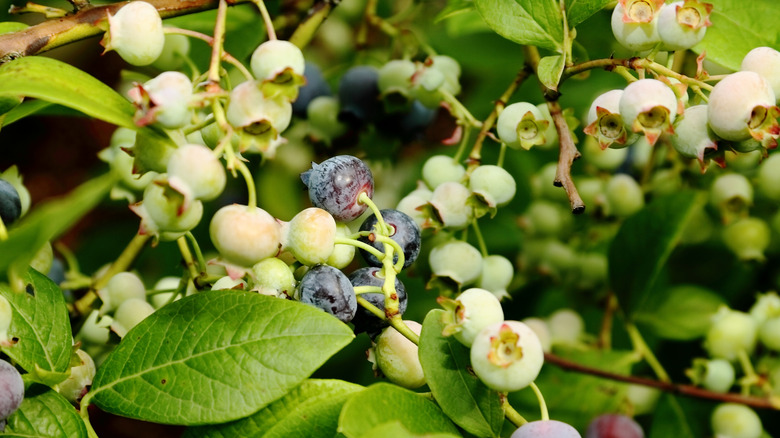
Highbush blueberry (Vaccinium corymbosum) is valued for both its sweet, flavorful berries and striking fall foliage. It grows slowly, reaching heights of 6 to 12 feet. However, you can try removing blossoms during the first and second years to encourage vigorous growth. In terms of hardiness, it can be planted from zone 3 to 8 in acidic soils with a pH of around 5. And, as for the fertilization, highbush blueberries benefit the most from a split application: once at bloom and again a month later. Make sure to prune every winter for the best chance at getting a bumper crop.
Black Chokeberry
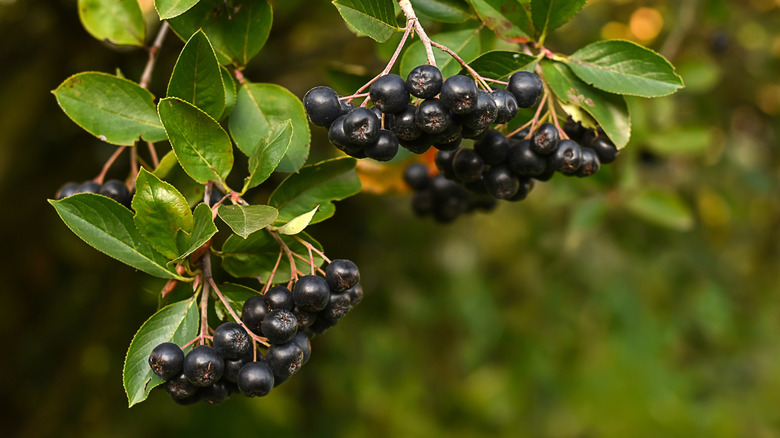
The black chokeberry (Aronia melanocarpa) is called so because of its bitter taste, which can cause choking if the fruit is eaten raw. The bushes themselves are hardy to zone 3 and grow about 4 to 8 feet tall. In addition to the fruit, the black chokeberry adds seasonal interest. For instance, in spring, the bushes burst with clusters of bright white flowers and come autumn, the leaves shift from green to striking shades of red, orange, and purple. But their standout feature is their adaptability. They can grow in almost any soil, even in damp, boggy conditions.
Black Currant
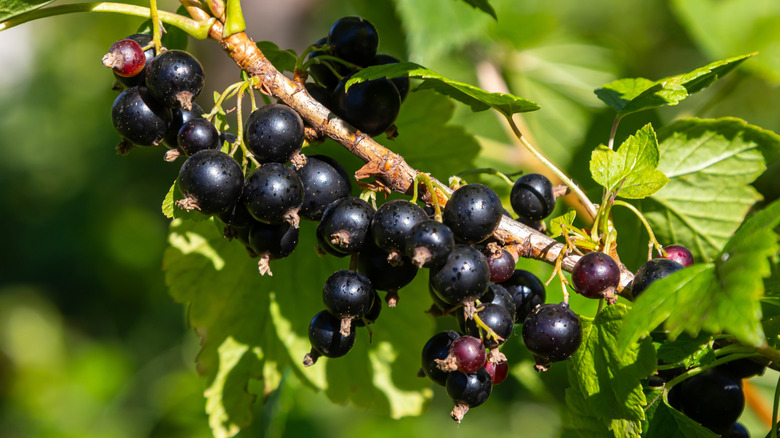
Black currant (Ribes spp.) is one of those berry bushes you can plant in the fall for an abundant fruit harvest in the spring. They are also great for small gardens because they stay compact, growing to just 4 to 6 feet tall. Just keep in mind that for a good harvest, you will need to plant two different currant varieties, since most common types only produce fruit partially on their own. As for the growing conditions, they can be planted in an area with full sun and good drainage up until zone 2. Just keep them away from waterlogged conditions.
Gooseberry
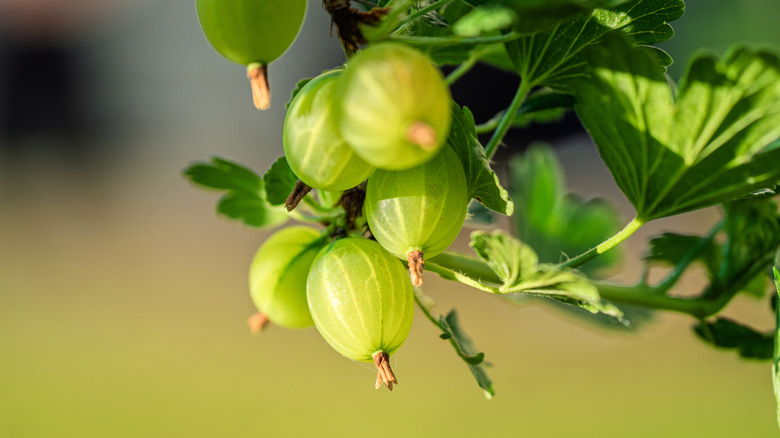
Growing gooseberries (Ribes hirtellum) is simple, yet highly rewarding. They produce delicious berries that are ideal for pies and jellies. They are also hardy to zone 3. Just avoid planting them in areas that trap heat, such as the south side of a house. The biggest advantage of growing gooseberry bushes is that they are highly self-fertile. So, even if you grow a single plant, you can expect decent yields. Plants reach about 2 to 5 feet in height and live for many years, but they don't tolerate drought, so make sure to water your bushes regularly.
Elderberry
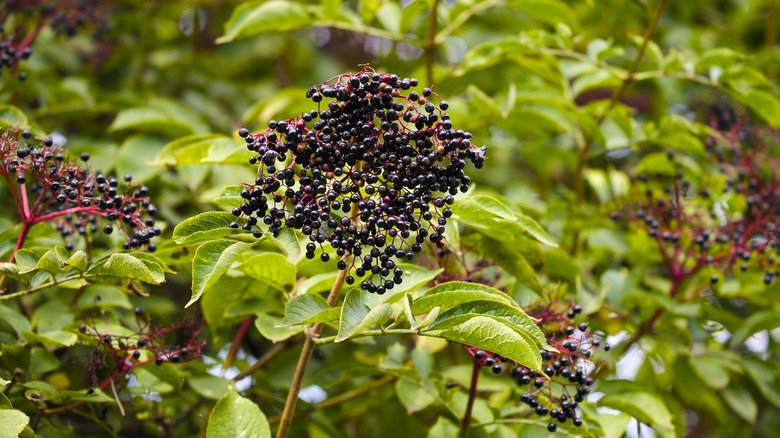
Elderberry (Sambucus canadensis) has been used for centuries in both food and medicine. These bushes grow well in zones 3 to 9 as long as they are planted in moist, well-draining soils. You can grow them easily using stem cuttings, and they start producing fruit in the first year. However, it is recommended to prune the first-year blossoms to help the bushes grow more vigorously. As for the size, elderberries reach around 12 feet tall. So, be sure to plant them somewhere in your garden with enough space to grow.
Sea Buckthorn
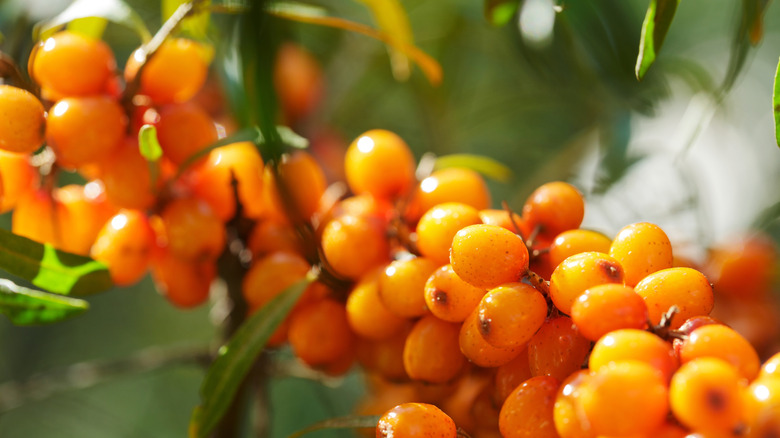
With its pale green-silver leaves and striking orange berries that linger all winter, sea buckthorn (Hippophae rhamnoides) is the perfect berry bush to add color to your winter garden. It survives cold climates to zone 3 and grows to about 8 to 12 feet tall. Just keep in mind that sea buckthorn plants are dioecious, so female plants need a male nearby to produce berries. Sea buckthorn berry bushes are easy to grow, and once they get established, they don't need much fertilizer and have few pest problems. Note that they are invasive in some areas, so check locally before planting.