

Container Gardening With Bare-Root Perennial Plants Isn't As Intimidating As It Looks
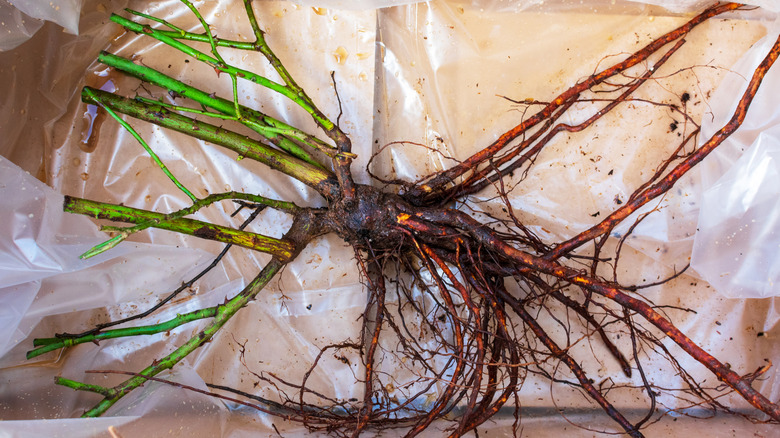
Bare-root perennial plants often intimidate container gardeners because they arrive looking fragile or sometimes even dead, but it's actually not a bad thing. They are dormant plants sold without soil around the roots, dug up from a field, and placed in cold storage. They often arrive as just the roots, wrapped in peat moss inside plastic bags, which is one of the reasons container gardeners might be reluctant to try them.
For container gardeners especially, this unfamiliar appearance can feel riskier than planting something already growing in a nursery pot, since containers offer less margin for error early on, and many people want something that instantly looks good. Despite their alarming appearance, bare-root perennials can become stunning plants that thrive in containers. They are cheaper, available in more varieties, easier to inspect for root health, and often grow stronger once they become established.
Ordering bare-root perennials is a great way to expand your outdoor garden. One of the benefits of growing a container garden is that you can get plants established and healthy before transplanting them into the ground or leave them in a container permanently if that's better for your space. Containers also give gardeners flexibility, allowing plants to be moved, protected, or gradually introduced to outdoor conditions. To plant a bare-root perennial, you'll need a container with good drainage, quality potting mix, and water. You'll also need patience -– it might take a bit for a bare-root perennial to look good, but it's normal and temporary, and you'll have an impressive plant before you know it.
Preparing bare-root perennials for container planting
Many gardeners avoid growing bare-root perennials in containers because pots dry out faster and experience more temperature fluctuations than in-ground soil. Bare roots are especially vulnerable early on, so they may require closer monitoring, more frequent watering, and protection from temperature changes. In some cases, bare-root perennials also need larger containers than expected to properly support their developing root systems.
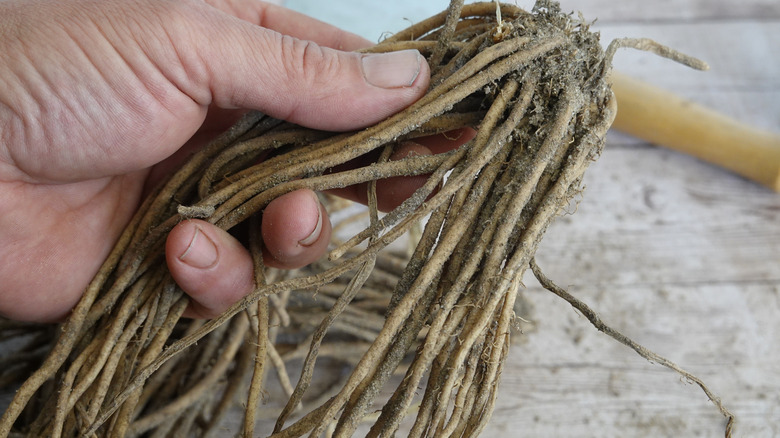
Bare-root perennials are moist on arrival, but you'll want to rehydrate the roots by soaking them in water for at least an hour before planting, or follow the specific instructions that come with the plant, since the times vary. While your plant soaks, check the roots for firmness and signs of life. A few broken roots can be pruned off, but if they have mold, are mushy, smell bad, or have many broken roots, they're not in good condition and may not survive.
When selecting the best containers for your garden, make sure they're big enough to fit the roots and allow for growth. Each container should be deeper than the root spread to give the plant room to establish and help protect it from temperature changes. The container also needs holes for drainage so the roots don't stay overly wet, which can cause them to rot. Instead of garden soil, use a high-quality potting mix designed for containers so it holds moisture evenly and is less compactable to ensure the roots get enough air and water.
Planting and aftercare to help bare-root perennials thrive
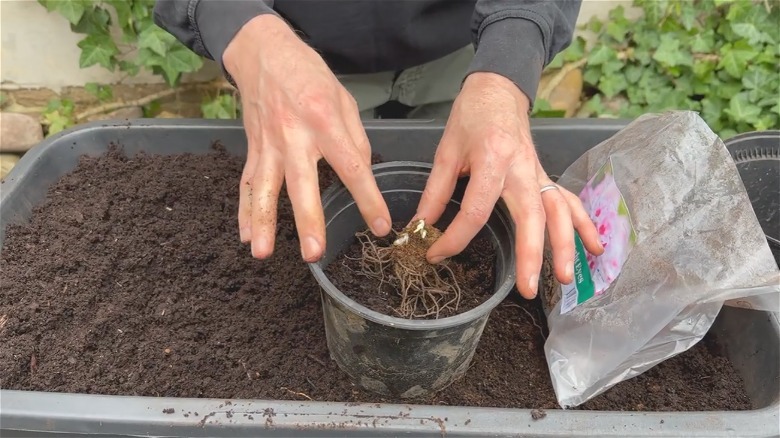
When planting a bare-root perennial in a container, start by adding soil about halfway up or a little less. Place your plant inside, spreading the roots, then backfill with soil, being gentle to avoid air pockets. Water it right away and wait for the soil to settle so you can add more soil, stopping when you reach the crown. The crown is the point where the roots meet, and new growth begins, and it should sit at or just below the soil surface unless the plant's instructions say otherwise, which is especially important in containers where moisture levels can change quickly.
Once it's planted and you've added more soil to accommodate shifting roots, check the soil every day. If it's dry, water it until it runs out of the drainage holes. You likely won't see growth for a few weeks because the roots establish first. Since bare-root perennials haven't had sunlight, they may have yellow or white leaves at first, but don't worry, they'll become green soon with enough sunlight. Before new growth appears, opt for indirect sunlight, then gradually move it once you see greenery. Once you reach that stage, you can top-dress the plant with fertilizer. With proper planting and care, container gardening with bare-root perennial plants is easier than it looks, and they often do better than plants originally bought in a pot.