

10 Things To Place On Your Window Sills To Keep Pests Out
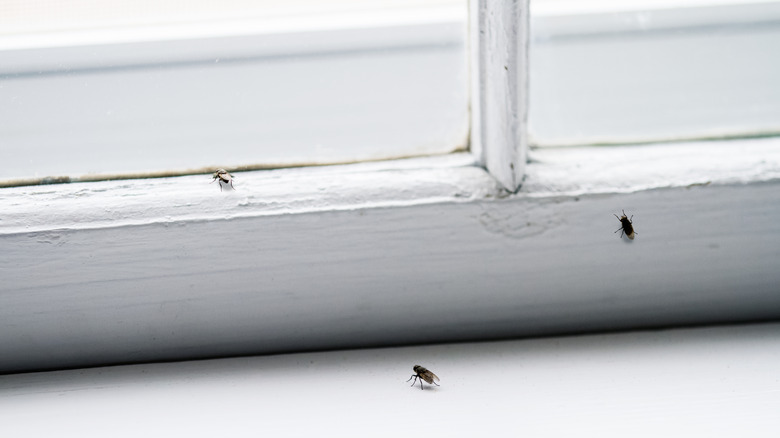
From ants and mosquitoes to flies and spiders, tiny, creepy-crawling and flying insects are the bane of every homeowner's existence. If you want a way to keep pests outside where they belong, there are lots of things you can place on your window sill to prevent them from entering and making themselves comfortable in your humble abode — many of which you probably already have in your kitchen. Even better, these methods are natural and generally safe to use, even with kids and pets in the house.
Just bear in mind that these tools aren't totally foolproof. Many of these methods rely on strong smells, and even the most pungent aromas fade relatively quickly; they need to be reapplied frequently to remain effective, especially if the solutions can be washed away from your window sill by wind or rain. Also, many of these methods won't eliminate pests that have already infiltrated your home; they can, however, deter more pests from entering.
The most effective method of pest prevention is to ensure entry points are well sealed and to address the source of any infestations. Of course, you should keep your home, particularly spots like window sills, clean and free of crumbs and sticky spills that could entice pests to enter. But if all that's done and you're still looking to build up your arsenal of tools to keep your home pest-free, these solutions on your window sill can help.
Vinegar
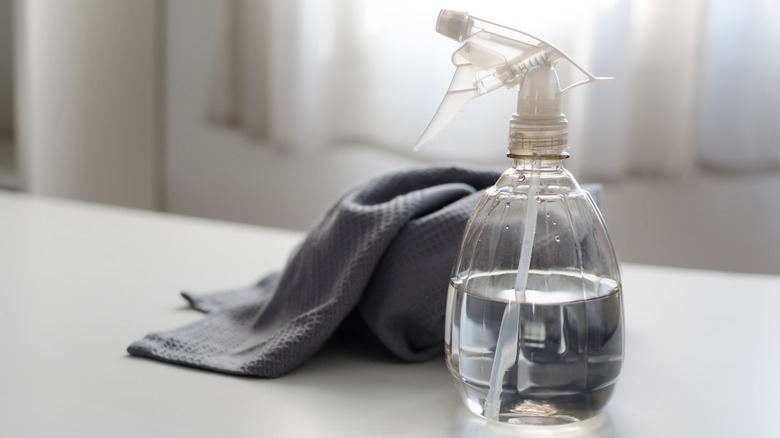
Vinegar can work as an ant repellent on windowsills thanks to its acidity and strong scent. Ryan Smith, owner of Ant & Garden Organic Pest Control, told Homes & Gardens that he recommends spraying a mixture of half white vinegar and half water near windows and doors to discourage ants from entering. "Ants constantly lay scent trails to communicate the location of food sources, which is why using a solution that breaks down pheromones can be effective at keeping them at bay," he explained. Too much vinegar can damage window curtains, so be careful and use it sparingly.
Citrus oils and extracts

Bugs tend to avoid the oils and extracts in citrus fruits such as lemons, but you won't get far by simply leaving orange and lemon peels around your window sill. That's because you need a very high concentration of citrus oils for them to be effective, and the amounts in citrus peels are too little and fade too fast. So, for a solution that lasts a bit longer, try spraying window sills with a citrus oil, such as bergamot, which works as a natural insect-repellent.
Cinnamon

For a tactic that smells considerably better than vinegar, try using cinnamon near windows to keep ants from entering. Nathan Kruger, owner of D-termination Pest Control, told The Spruce that "this aromatic spice acts as an olfactory deterrent, repelling ants without causing them immediate harm." Try using cinnamon near windows in either stick or ground form, or opt for a cinnamon essential oil. This can be as effective as an ant insecticide and repellent, according to a 2014 study.
Trap plants
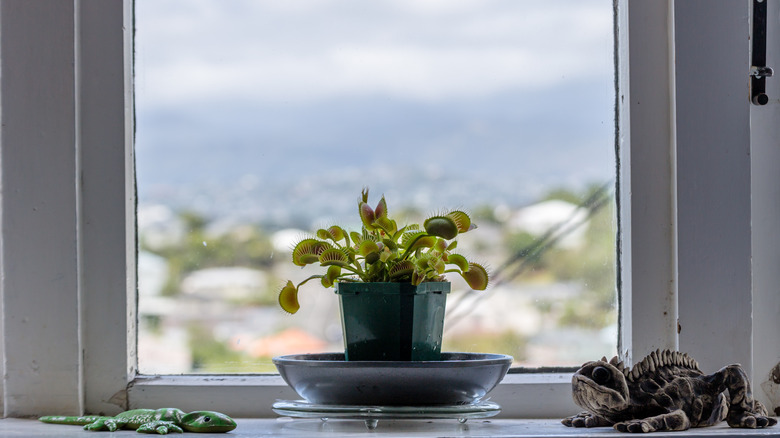
If you're skeptical of essential oils or spices' ability to keep pests out, why not get a trap plant that can eat the bugs for you? The most famous, the Venus flytrap (Dionaea muscipula), is native to North and South Carolina but can also grow as a potted houseplant elsewhere. Since they need lots of full, direct sunlight, your window sill can be a perfect spot for it to catch some rays — and to keep stray ants, flies, beetles, and spiders from entering your home.
Baby powder
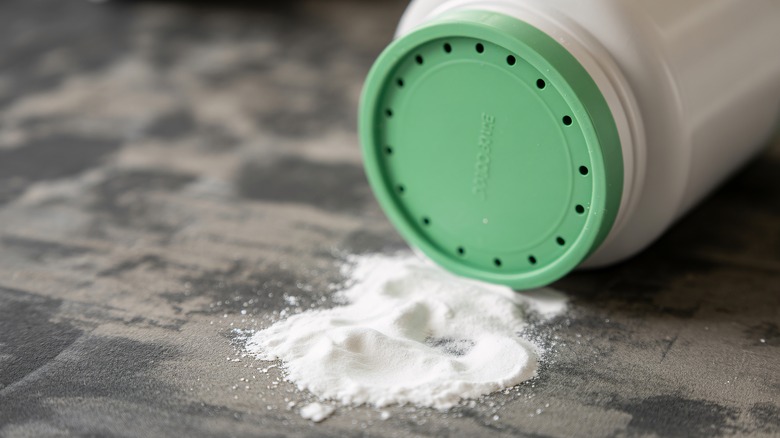
Commonly found in baby changing stations and bathrooms, baby powder may also repel cockroaches and tiny pests such as ants, which are repelled by the scent and even suffocated when they come into direct contact with the powder. If you're worried about spreading powder around, know that many companies have discontinued talc-based powders in favor of safer cornstarch-based baby powder products. Simply line window sills with the fresh-scented powder to keep tiny pests at bay.
Solutions containing mint
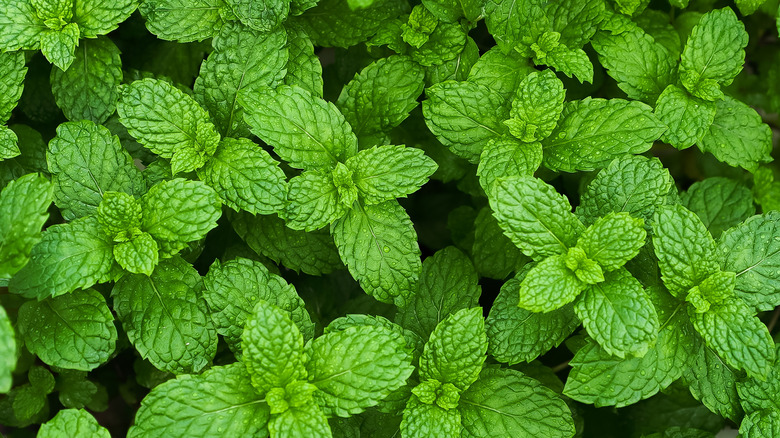
You may have already heard of mint's power to repel pests such as cabbage moths, ants, mice, and fleas when planted in your yard, but the fresh scent can also be mixed with other natural remedies to work inside the home. A 2013 study on herbal plants as ant repellents found that mint, when combined with other extracts, especially cucumber or garlic, produced a highly effective substance. The study also found that the higher the dose, the higher the efficacy, so don't skimp on the solution if you're serious about keeping pests away.
A windowsill bird feeder
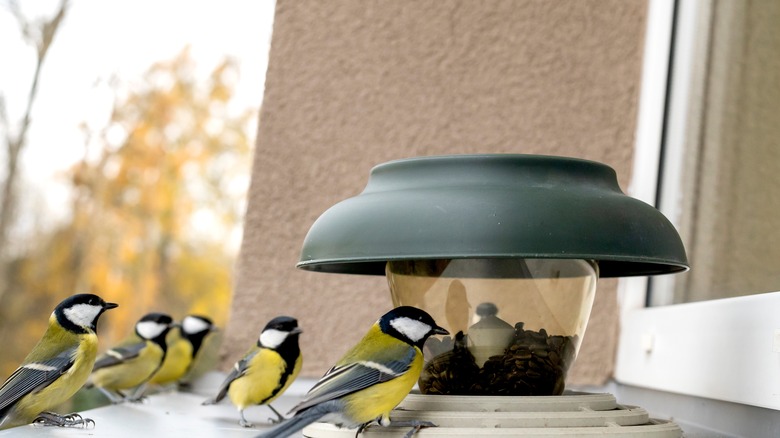
One way to send tiny pests like mosquitoes and spiders scrambling? Introduce a bigger predator that loves to feast on them by setting up a window sill bird feeder. Bonus: you'll get a close-up view of your lovely feathered guests while keeping bugs out of your home. Just be aware that while bird feeders are great for attracting birds and keeping bugs away, they might also lure bigger pests like raccoons or mice in search of an easy meal, so don't add one to your window sill if those critters are already a problem in your home.
Coffee grounds
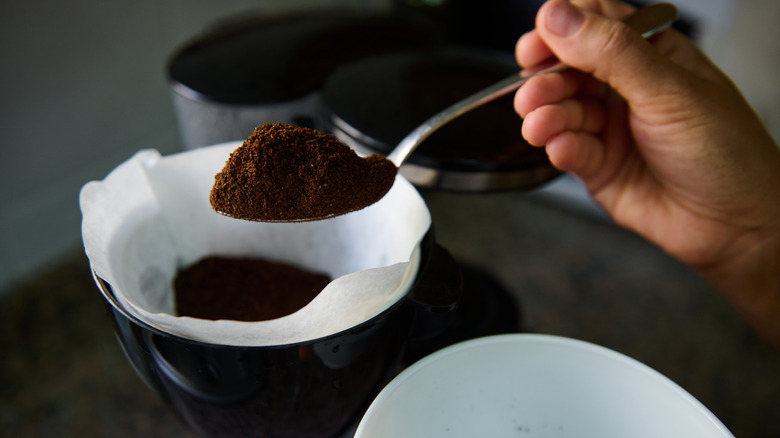
Whether you can't stand it or can't function without it, coffee certainly has a strong, distinctive aroma. So strong, in fact, that coffee grounds near home entrances may repel ants by disrupting their scent trails. Used coffee grounds may even hinder the survival and lifespan of mosquitoes and mosquito larvae. While its effectiveness at home is a bit iffy, if you're a coffee-lover, you have nothing to lose by creating an anti-pest spray for windows and ledges out of burnt coffee grounds and water, or lining windows with them when you're finished with your morning cup of Joe.
Garlic
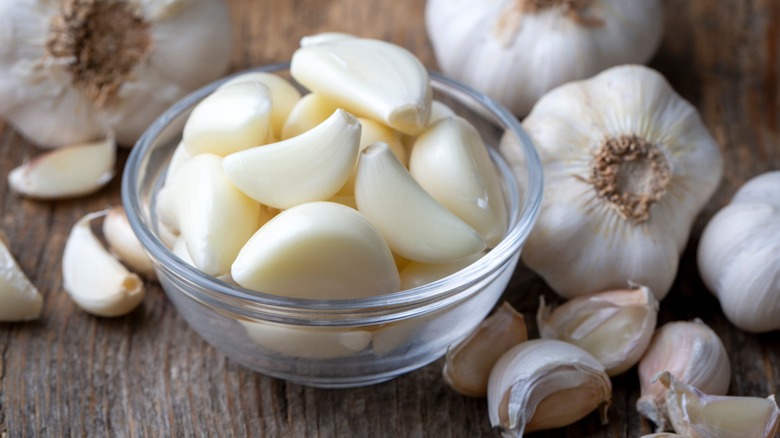
You've probably heard the old superstition that garlic can ward off vampires, but it turns out it can prevent some tiny real-life pests from crossing the threshold into your home, too. Yes, garlic has been shown in studies to work as a natural insect repellent, repelling mosquitoes when eaten. For home pest control, you can try crushing up some garlic cloves and leaving them around window sills. The pungent odor may keep bugs from entering and taking up residence.
Lavender oil

One major perk of this pest-fighting solution is that, while mosquitoes, flies, and fleas can't stand the fragrance, the scent can be pleasant and even therapeutic to humans — boosting mood and lowering blood pressure. For longer-lasting results, use a more concentrated version (i.e., a lavender essential oil instead of the lavender plant itself). Even pollinators like bees, who would otherwise be attracted to lavender, find it too potent.