

The Fast-Growing Tree That Thrives In Cold Climates And Adds A Splash Of Color
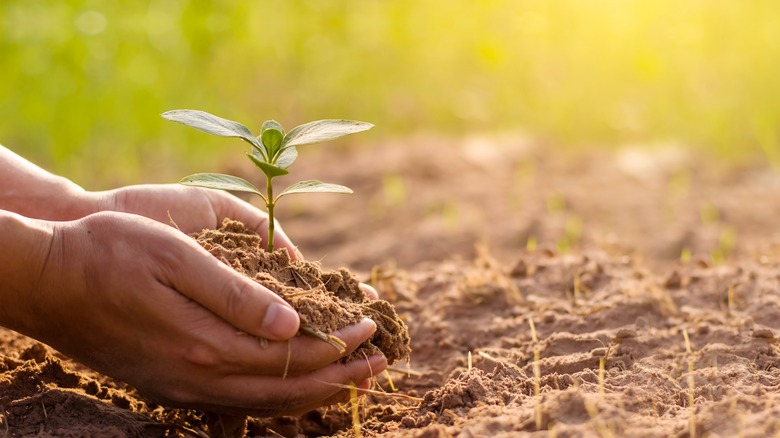
If you garden in a colder climate, you know that compromises are part of the game. So, finding a tree that grows fast, thrives in the cold, and still offers splendid colors might seem like an impossible task. But luckily, there are a few options, such as the tamarack tree (Larix laricina), also called the eastern larch. This tree is built for cold climates and grows reliably in USDA Plant Hardiness Zones 2 to 5.
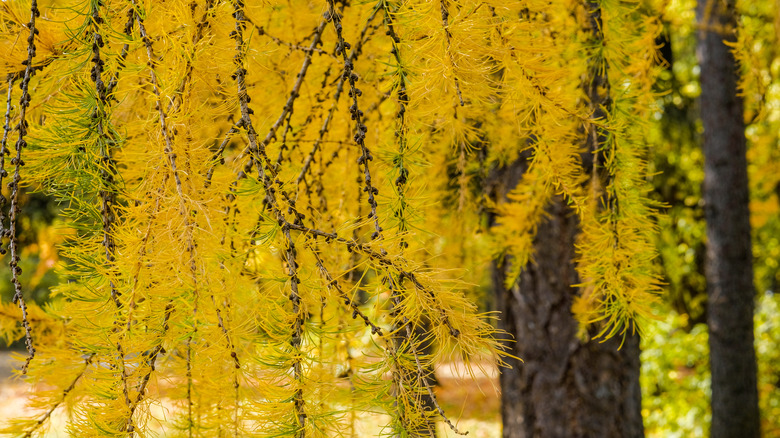
However, extraordinary cold hardiness is not the only thing it brings to the table. The tamarack tree has soft, green, feathery needles that are about an inch long. They make their appearance right at the beginning of spring then turn a bright, golden yellow as fall approaches, before falling to the ground in the winter. In addition to the lovely burst of color, the tamarack tree stands out for its fast growth rate. Under the right conditions, seedlings develop quickly, reaching a size of about seven to nine inches during the first year. And if all goes well, the tamarack tree keeps on adding about one and a half to two feet for the next 20 to 30 years. Mature trees are about 60 feet tall with an open crown, often featuring hopped and twisted branches. It is truly an excellent choice to transform your landscape in cold climates, provided you avoid these mistakes everyone makes when planting a tree.
How To Grow A Tamarack Tree
You have two options when it comes to growing a tamarack tree. You can either start with seeds, which are slower, or buy a pre-grown plant from a store. Seeds can be easily collected from the cones on the tree's branches. To test the viability of the seeds, simply place them in water and pick the brown ones that float. Avoid those with tan coloration. As for the pre-grown trees, always purchase the plants from a reputable nursery in your area. Keep in mind that tamarack trees are considered threatened in some areas, so it's best not to collect trees from the wild to grow near your home.
Once you have your propagation materials all ready to go, it is time to prepare your yard's soil before planting, as this will give your tree the best chance of survival. A tamarack tree needs consistent moisture — it will not survive in areas with water shortages or drought. The tree is also intolerant of shade and requires at least six hours of direct sunlight daily. As for the soil pH, it needs to be slightly acidic (between 5 and 6). If your soil is alkaline, just add a bit of sulfur to bring it down. To help establish the tree and give it a healthy start once it has been planted, you may want to fertilize it for the first two years.
Common Pests & Problems
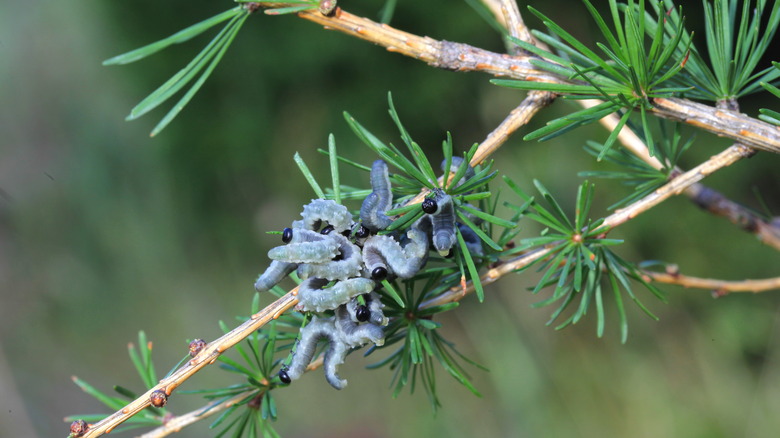
When growing a tamarack tree, keep in mind that it is one of those plants you shouldn't grow right next to your house. This is because it has a shallow root system, meaning the tree could be uprooted in a high wind event. This could cause damage to nearby structures. As for pests, the larch sawfly is considered the biggest threat to the tamarack tree. It causes defoliation, and if the infestation lasts for some time, it can severely impact the plant's growth. If the infestation is severe and lasts more than six to nine years, it could lead to the death of the tree.
Other pests that threaten the tamarack tree include larch case-bearer, eastern larch beetle, woolly aphids, Japanese beetle, tussock moth, and larch looper. Be sure to keep an eye out for these insects. Detecting them early can make all the difference. When growing a tamarack tree, watch for common diseases such as needle cast, needle rust, and canker. By keeping pests and disease at bay, you can have a healthy and happy cold-climate conifer.