

The Common Garden Flower You Can Start Indoors Before The Last Frost Date
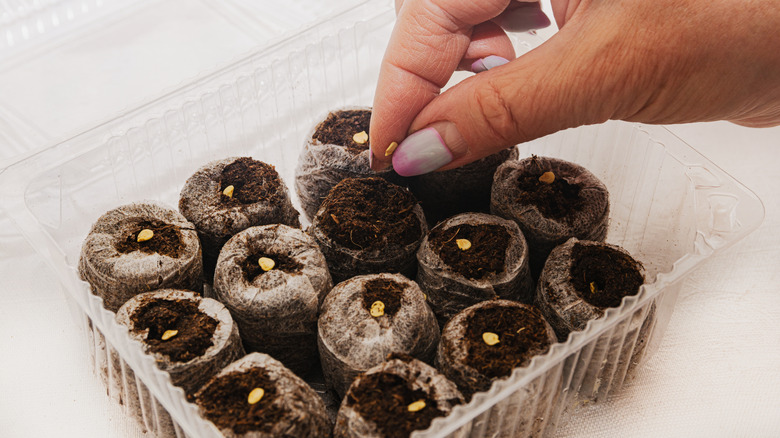
There are many benefits of starting plants indoors. It lets you get a head start on the growing season, gives you more control over the early growth stages, and increases your chances of success with the plants. Warm-season plants especially benefit from it because they cannot be started too early outdoors because of frost, and if you start them after the danger of frost has passed, it might already be too late for them to grow to their fullest. Zinnias are one such plant you should start indoors before the last frost date.
That is because, depending on the variety, zinnias can take about 60 to 70 days from seed to flower. So, if you start them indoors, you can enjoy a longer blooming season than with direct sowing. Furthermore, this will also save your zinnias from late-season frosts if grown directly outdoors, which they usually don't tolerate. Just make sure you are doing it at the right time. Getting the timing wrong is one of the biggest mistakes you can make when starting seeds indoors.
How to start zinnias indoors
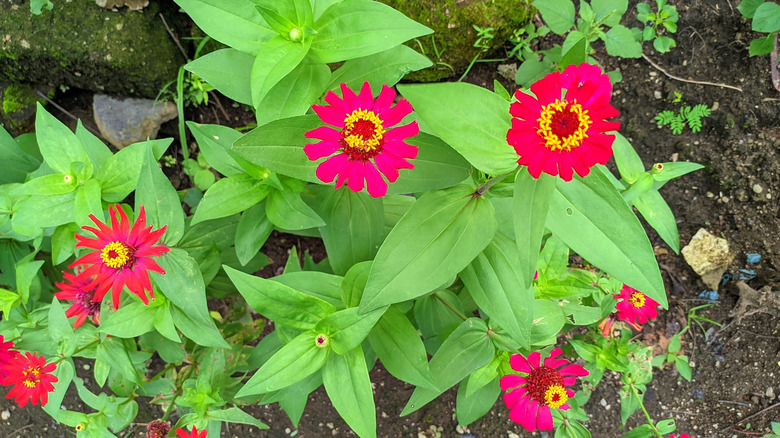
The best time to start zinnias indoors is about six weeks before the intended planting date outside. Planting them about four to six weeks before the region's last expected frost date is a good idea. Timing is not the only thing that matters, though. You also have to make sure you get the setup right so that when it is time to move the flowers outdoors, they have the best chance at survival.
Start by taking a clean seed-starting tray and filling it with a good seed-starting potting mix. If you don't have a seed-starting kit, any small pot with good drainage will work. Sow one to two seeds in each cell if you are working with a seed-starting tray, or put a few seeds in a small pot. Bury the seeds about a quarter inch deep, then cover them with vermiculite. After that, cover the seeds with black plastic to maintain the humidity and darkness that zinnia seeds need to germinate.
Temperature also plays a vital role in seed germination. A temperature of about 80 to 85 degrees Fahrenheit will result in seed germination in about three to seven days. You can use a heating mat to achieve this. After germination, let the zinnias grow at about 70 to 75 degrees Fahrenheit during the day and 65 to 70 degrees Fahrenheit at night. And once they have formed two pairs of leaves, you can move them outside.
Hardening off zinnias and transplanting outside
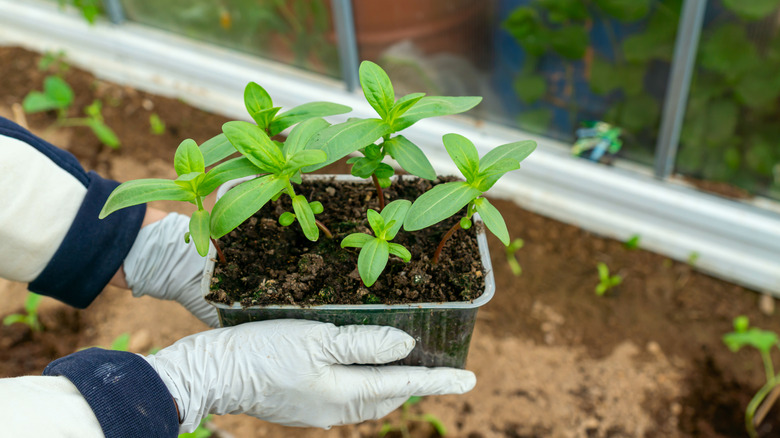
About two weeks before the intended outdoor planting date, start hardening off your zinnias by exposing them to the outdoor climate in short, sheltered sessions. Indoor-started plants need time to adjust to the outdoors. If you just move them out all of a sudden, many of them will die or grow into weak plants that won't have the same vigor as properly hardened-off plants.
It is important to do this after all the danger of frost has passed, as zinnias are frost-sensitive plants. Start with two to three hours of outdoor exposure and then gradually increase it over the two weeks. Then, once the soil temperatures are consistently over 60 degrees Fahrenheit, you can safely transplant your zinnias outside in the ground.
Just make sure that the site you choose for transplanting zinnias has good drainage and plenty of light. Zinnias need more than eight hours of sunlight daily to perform at their best, and if the soil is waterlogged, they can develop root rot, ruining your plans to transform your flower beds with these vibrant flowers.