

The Unexpected Kitchen Essential That'll Leave Your Porcelain Sink Sparkling Clean

If your porcelain kitchen sink is looking a little worse for wear, there's no need to freak out. Porcelain is known for its durability, but over time, it can develop gray scuff marks from cast iron pans, coffee rings, or a dull film caused by hard water minerals. Things like that can make a sink that's technically scrubbed clean still look dirty, and nobody wants that. While some homeowners reach for bleach or abrasive scrubbers, those options aren't always necessary. In fact, those methods can actually strip the porcelain's protective glaze over time, making it look even worse. While there are plenty of tips for cleaning a porcelain sink, restoring its shine can be as simple as reaching for something already in your spice rack: cream of tartar.
Known scientifically as potassium bitartrate, cream of tartar is an underdog for cleaning around your home. It's a winemaking byproduct that's perfect for cleaning as it has a mild acidity and superfine abrasive texture. It becomes even more effective when you combine it with white vinegar, another kitchen essential beloved for cleaning. Vinegar's acetic acid, plus the cream of tartar, is great for cleaning a porcelain sink. The mild chemical reaction between the two helps lift surface stains without damaging the sink's finish.
This pantry-based paste offers a non-toxic, eco-friendly alternative to tough chemical scrubbers. It's especially appealing because it delivers noticeable results at a very low cost and restores shine quickly.
How to clean your sink with cream of tartar and vinegar
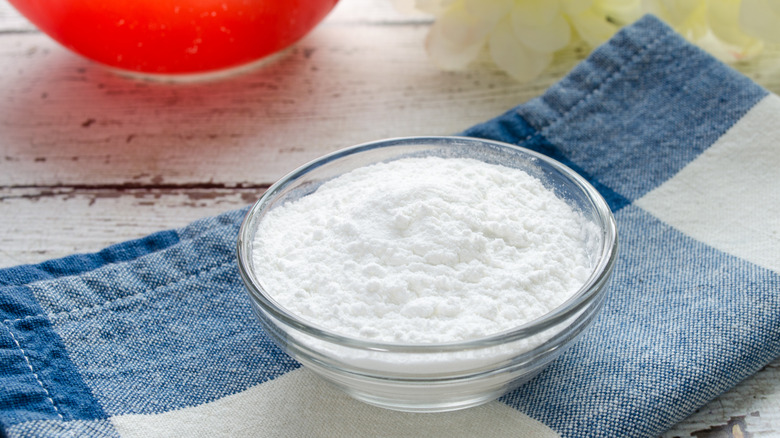
In order to transform your dingy basin back to the sparkling centerpiece of your kitchen, start by making sure your sink is dry. Any excess water can dilute the mixture, making it less effective, especially on tougher stains. In a small bowl, mix cream of tartar with white vinegar until it forms a thick, spreadable paste. If your paste is too runny, add a pinch more powder; likewise, if it's too crumbly, add a couple of drops of vinegar. A thicker paste helps the cleaner cling to vertical surfaces instead of sliding straight into the drain.
For the best results, allow the paste to sit for about 10 minutes. This waiting period gives the acids plenty of time to saturate and break down any mineral deposits and grime stuck to your sink's surface. After letting the paste sit, scrub it with either a microfiber cloth or a soft-bristled brush. Once finished scrubbing, rinse thoroughly with warm water and dry the sink. You should immediately notice a big difference in the shininess and smoothness of the finish. This simple, two-ingredient combo is your new go-to method for keeping your porcelain sink shiny and properly clean. Plus, it's hard not to love the affordable and eco-friendly aspects of it, and the fact that it can even buff up your dull silverware.