

The Hard-To-Find Houseplant With Stunning Foliage & Fragrant, Star-Shaped Flowers
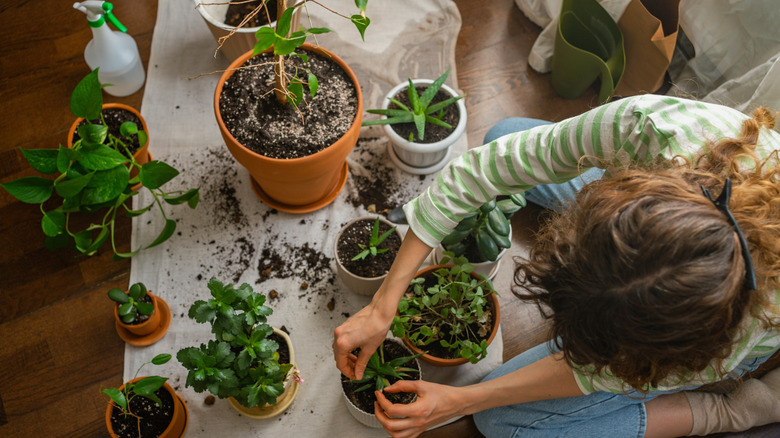
It's human nature to place a high value on treasures that are rare or scarce. That's why plants that are hard to find are so popular and desired by enthusiasts. One such plant is Hoya linearis, which is not only hard to find (and expensive) but unique in appearance. It is classified as an epiphyte, meaning it grows on trees in the wild without being a parasite. In the home, it grows best when its foliage is simply hanging. Under optimal conditions, it will bloom in the fall and winter with clusters of star-shaped, white flowers that release a fragrance reminiscent of lemon and cinnamon. Hoya linearis is among the flowers that grow beautifully indoors during winter.
Several factors account for the plant's scarcity. It doesn't always ship well and may drop leaves. It also isn't mass produced in nurseries as many houseplants are. Because they mature relatively slowly, fully grown Hoya linearis plants represent several years of care and resources. The rarity feeds itself because the plant is sought by collectors. You can find it offered by specific hoya growers and rare plant nurseries or, if you're lucky, through propagation from friends.
Although this plant's common name is porcelain flower, it is often referred to by its botanical name. You may also see it called waxflower, the common name for the Hoya genus, though the foliage texture of this species is not waxy like many other hoyas. From a distance, the leaves look a bit like string beans: soft, with downy fuzz. Hoya linearis growers are divided on its ease of care; some find it challenging, while others find these semi-succulents fairly low-maintenance. Recreating the conditions under which Hoya linearis originated appears to be a significant key to success.
Grow hoya linearis for spectacular foliage and sweet-smelling flowers
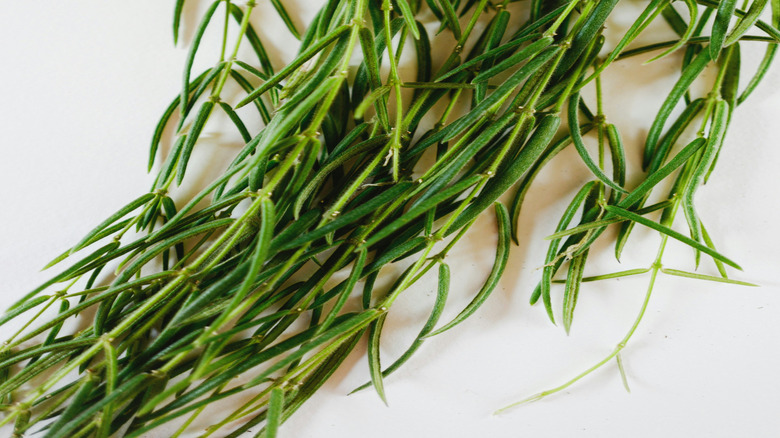
Hoya linearis originated in northern India's Himalayan region, and recreating the growing conditions they evolved in helps them thrive. Plant Hoya linearis in a light, airy soil, such as a potting mix for succulents with added perlite. Drainage is important for most plants, especially this one, so ensure soil drains well. Choose a pot that provides a fairly snug fit for the hoya, as it actually wants to be root bound, and go up only one size when it's time to re-pot. Be sure the pot has a drainage hole. Get the lowdown on how to know when to repot your hoya plant; Hoya linearis is often content to stay in the same pot for several years. Place the pot right in front of a window, where it will get bright, indirect sunlight.
Humidity is another area where it pays to mimic this plant's origins. Hoya linearis prefers 50% humidity, so if your home doesn't provide that, consider using a humidifier near the plant. Misting won't help with humidity, but as an epiphyte that was constantly rained on while evolving, Hoya linearis will appreciate some occasional spritzes. Give the plant thorough waterings. Overwatering is an issue with hoyas, so always poke a finger in the soil to check for moisture and allow it to dry completely before the next watering. Hoyas are susceptible to root rot when their roots sit in water. Remember that, as a semi-succulent, these plants store water in their leaves. With its Himalayan heritage, Hoya linearis is comfortable in room temperatures of 60 to 80 degrees Fahrenheit, tending toward the cool end at night.
Hoya linearis care is easy when you respect its origins
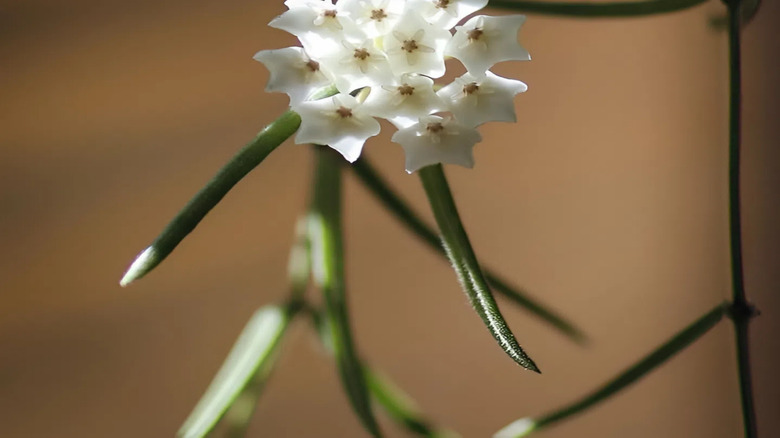
Provide a half-strength dose of balanced houseplant fertilizer monthly during spring and summer; be sure to follow label instructions. Don't fertilize in winter. Hoya linearis does not require pruning, but it will eventually get quite long, so you can give it a trim if desired. Avoid cutting the spurs (called peduncles) from which flowers emerge.
Remember our mention of the high cost of Hoya linearis? The good news is that the plant is easy to propagate from stem cuttings, so you can grow more of them at no cost. You've probably already made the connection between trimming excess length from your Hoya linearis and using the trimmings as cuttings. Take stem cuttings that are a few inches long and contain at least one node and set of leaves. Note that the milky sap that emerges from the cuttings can irritate your skin, so consider gloves. Optionally, use root hormone before placing cuttings in moist potting mix, burying at least one leaf node just under the soil line.
Provide the same growing conditions you would for a mature plant, especially when it comes to keeping the potting mix most. Consider using a heat mat under pots to encourage root growth. Wait patiently for their slow-growing roots to emerge in a few weeks. If you choose this route, consider amping up your knowledge of the best methods for propagating a hoya plant to ensure you're prepared for any issues you might face.