

Late Winter Is The Best Time To Prune Woody Rosemary - Here's The Best Way To Do It
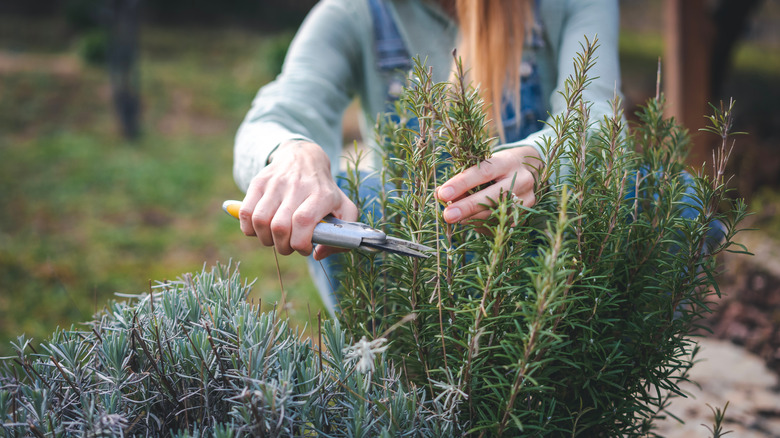
Although winter is a good time for the plants in your garden to rest and get ready for the next growing season, it can also be an active time for gardeners. When plants are not pruned on a regular schedule, they can become scraggly and unhealthy. In most cases, overgrown plants can be saved, but they may need special pruning. Late winter is a good time to do these major cut backs because most plants are in their dormant stage. During this time, cuts from pruning heal faster, and you won't have to worry about frost damaging new growth or stress from hot summer temperatures. The exact time period that's considered "late winter" will depend on which USDA growing zone you live in, but for most areas, it will start between late January to March. Rosemary (Salvia rosmarinus) is a good example of a plant that is normally pruned in spring, but when it hasn't been pruned regularly or the bushes have gotten older, it takes on a woody appearance and will need to be pruned in late winter to get it back in shape.
When rosemary isn't pruned on a regular basis, it looks very unkempt, with a sparse appearance on top, hardened stems, and dropped needles. This woodiness impacts both the look of your bushes and the taste of the rosemary as well. You'll notice that all rosemary plants get woodier with time, but keeping up with pruning routines as they grow can keep them in shape for a little longer, delaying the need for rejuvenation pruning. The good news is that you can help even older rosemary plants that have already gone woody bounce back with the right pruning at the right time, even if they look tired and worn out right now.
How to fix woody rosemary with late winter pruning
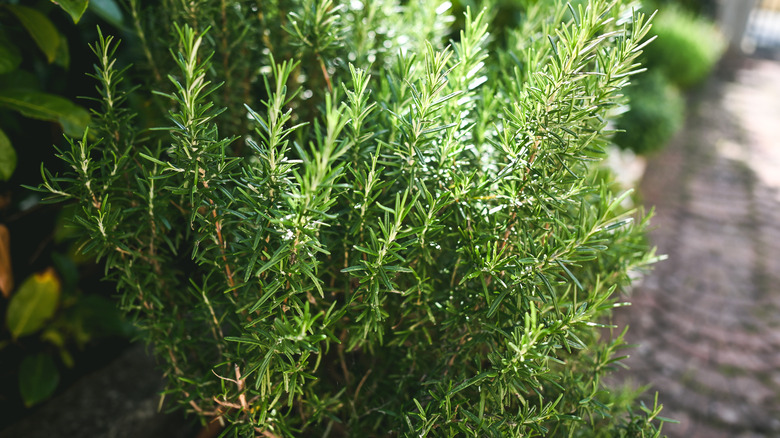
Pruning woody rosemary can be a little intimidating at first, especially when you see how much of the plant needs to be cut back. Before you start pruning, take some cuttings from the rosemary bush and propagate them so you'll have new plants growing even if some of your older ones don't bounce back. Keep in mind that the cuttings you take in late winter will root more slowly than cuttings taken during the warmer months, but they should still root. Don't worry if your pruned rosemary plants look a little scraggly when you are done. By the time spring rolls around, your rosemary plant should be producing beautiful new growth.
Use a sharp, clean pair of bypass pruners for the best cuts. Following the three D pruning rule, remove dead, diseased, and damaged branches first. Depending on how large you want your rosemary bush to be, you can cut a lot of it back during this time, focusing on reducing its size and getting it back into shape while keeping areas that still show healthy growth. You may need to use loppers to cut through the hard, woody stems, especially on your older bushes. When cutting stems that contain healthy growth, make your cuts just above that growth. Avoid cutting into bare, woody parts of the stems, since they will not produce any new growth. After you're done with the big chop, you will be able to use hand pruners to maintain the plant's new shape and size.