

The Cold-Hardy Fruit Tree Variety That Will Thrive In Your Winter Garden
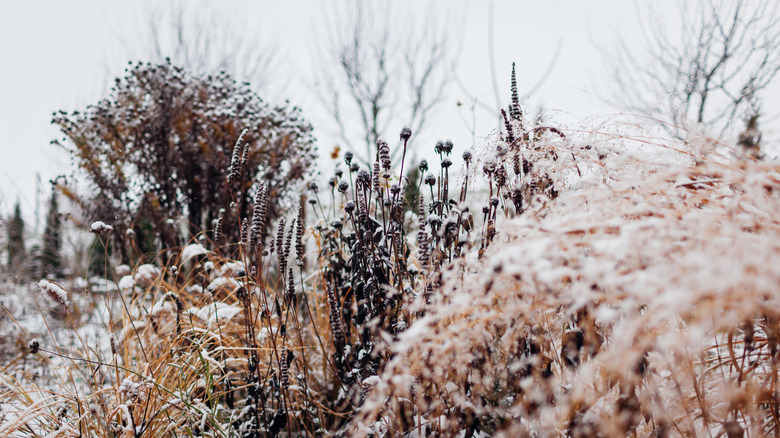
A winter garden is an excellent way for gardeners to keep themselves busy and extend the growing season. But the problem is that many plants go dormant in winter, so finding a cold-hardy fruit tree that will thrive in your winter garden isn't exactly easy. That is where the 'Chicago Hardy' Fig Tree (Ficus carica 'Chicago Hardy') comes in. Unlike most fig tree varieties that only grow in USDA Hardiness Zones 8 through 10, this cold-hardy variety can handle zone 6, and, if protected from the cold, it can even make it through winters in Zone 5.
Its above-ground parts can handle temperatures down to 10 degrees Fahrenheit, while its roots are hardy to around minus 20 degrees Fahrenheit. In very cold regions, the top parts of the plant may die off, but they often sprout back from the roots again in the spring. You can also grow it in a pot, bring it indoors during the winter and keep it in a protected place for a touch of green in your space.
As for the fruit, the figs often appear on the tree in mid-to-late summer, sometimes as early as July, and the trees continue to fruit till the fall frost. And the best part? A single plant can produce as many as 100 pints of figs. All you have to do is provide the tree with the right growing conditions and avoid mistakes everyone makes when growing fruit trees.
Growing the 'Chicago Hardy' fig tree the right way
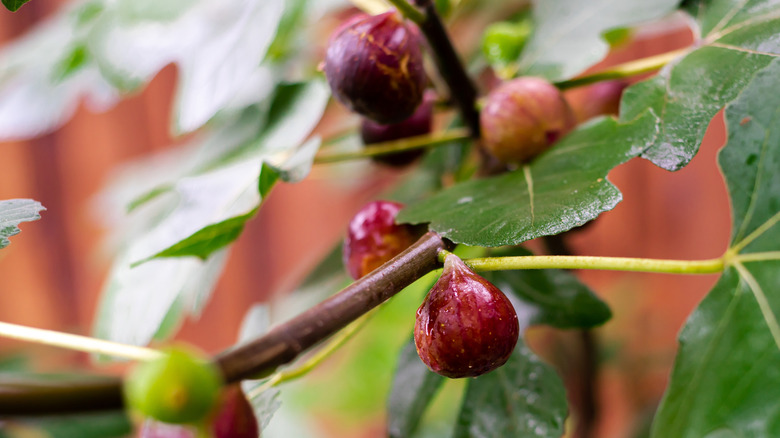
The first and foremost thing you want to do when growing the 'Chicago Hardy' fig tree is select the right spot. It grows to about 10 to 15 feet tall and 9 to 12 feet wide, so make sure you choose a place where it can grow without any space limitations. Putting a fruit tree in a tight spot can make it more prone to pests and diseases, as well as reduce its yield.
Secondly, choose a spot that gets plenty of sun. The 'Chicago Hardy' fig tree needs at least six to eight hours of sunlight every day. As for the soil, it prefers nutrient-rich, well-draining loamy soils, though it can also survive in chalky and sandy soils as well. Also, aim for a slightly acidic to neutral soil pH, somewhere around 6 to 6.5, to give your fruit tree the best chance to thrive.
Watering the 'Chicago Hardy' fig tree isn't much of a hassle, thanks to its good drought tolerance. However, you will need to water it about an inch every week during the first year of establishment. Fertilizing the 'Chicago Hardy' fig tree is equally simple. If your soil is rich, a spring application of compost is usually enough, although you can also use a slow-release fertilizer if needed.
'Chicago Hardy' fig tree problems, pests and diseases
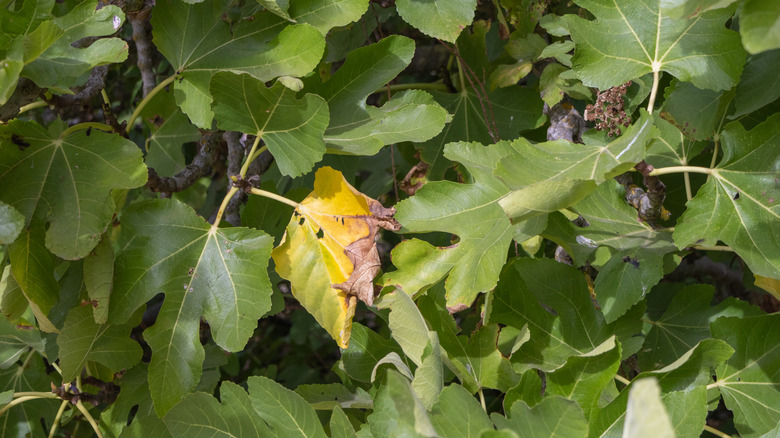
Before growing the 'Chicago Hardy' fig tree, consider some of its weak points. For example, it is one of the messy trees you may never want to plant in your yard. You will have to be vigilant about picking the fruit, as the figs can become really messy if you don't pick them on time. Underwatering or a lack of pollination can also lead to fruit drop. Likewise, protecting it from the cold in winter is another hassle you will have to deal with, especially if you live in a cooler part of the 'Chicago Hardy' fig's range.
In cold regions, you will need to cover the base of the plant with a three- to four-inch-thick layer of mulch, and cover the branches and trunk with an insulating material. If the winters are particularly harsh, you will also need to cover the entire tree with a tarp, a plant bag, or a plastic cover. Lastly, when it comes to pests and diseases, the 'Chicago Hardy' fig tree is generally problem-free, but blight, leaf spots, leaf rust, aphids, scales, spider mites, mealybugs, or root-knot nematodes could still pose problems. The best way to avoid such issues is to keep your fig tree healthy.