

How To Incorporate The Yakisugi Wood Technique In Your Home
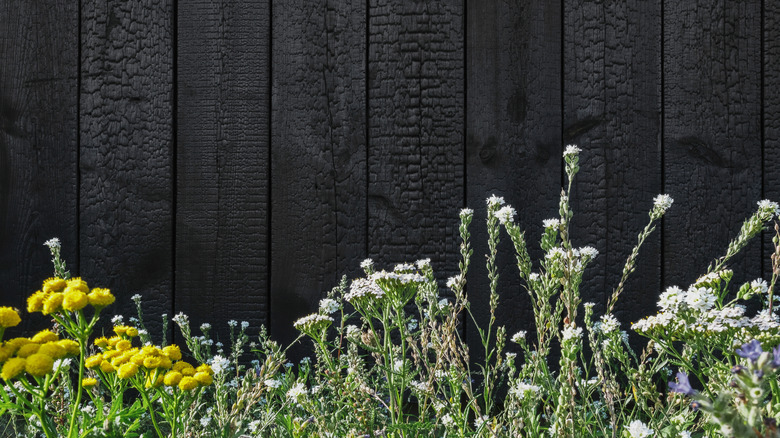
Whether you are a world traveler or just a fan of watching travel content, you probably already know how amazing interior design is all across the globe. From materials and colors to furniture items and house shapes, the differences compared to a typical American home can be refreshing and invigorating. For instance, you may see a stunning use of blackened wood on traditional homes in Japan. This eye-catching wood look is achieved through Yakisugi, a technique that preserves and transforms wood, making it a unique and gorgeous feature in any home.
Yakisugi, sometimes also called Shou Sugi Ban, is a technique that involves treating wood with fire to make it harder and more resistant to rot, fire, insects, weather, and more. The process changes the wood, which is traditionally cedar, from a natural color to a sleek black one. The final look can be surprisingly modern for a wood treatment that dates back to at least the 1700s. While the original use was generally for the siding of houses and buildings, people today are choosing to incorporate it in a variety of ways, both inside the home and out. Whether you want to add a large, prominent accent wall or subtly highlight some smaller wooden furniture pieces, discovering some ways to style Yakisugi in your home is a great place to start. No matter where you decide to incorporate the style, though, you should also know more about how to get Yakisugi, how much it costs, and how to properly maintain it.
How to style Yakisugi wood in your home
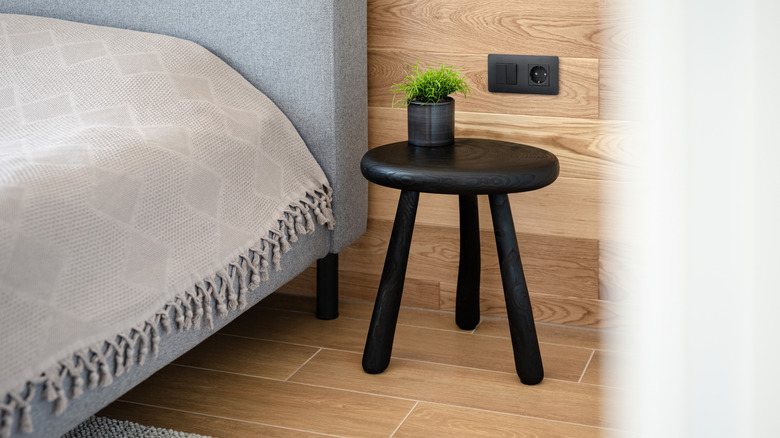
While it looks gorgeous in Japan and online images, figuring out how to make Yakisugi wood work in your home can be difficult. The black, charred look can easily overwhelm a space if styled unintentionally. Starting with smaller pieces, such as a single accent wall or some furniture, is a great way to highlight the wood's unique texture and color. There are tons of beautiful wood accent wall ideas for a natural design look that can help inspire a Yakisugi wall in your home, but be sure to consider your room's size and lighting.
Small rooms without much natural lighting can feel cramped and uncomfortable if too much dark color is used, while large rooms may feel cozy and elegant with more dark accents. The wall you choose for a white shiplap accent could be very different from the one you should choose for a Yakisugi wall. The same idea applies to furniture. In a large dining room, a Yakisugi table looks chic and sophisticated, but in a smaller room, a Yakisugi bench or sideboard may work better. A Yakisugi picture or mirror frame can work well and ensure that the gorgeous wood stands out without taking over the room.
Yakisugi can complement nearly any aesthetic from rustic to industrial, but the rest of your decor will influence its overall feel. Lighter colors create contrast and brighten up a room featuring Yakisugi elements, as do metallic accents that reflect a bit of light. Bolder and darker colors can be harder to work with, but in the right space, combining them with Yakisugi will look luxurious and grand.
Obtaining Yakisugi and caring for it in your home
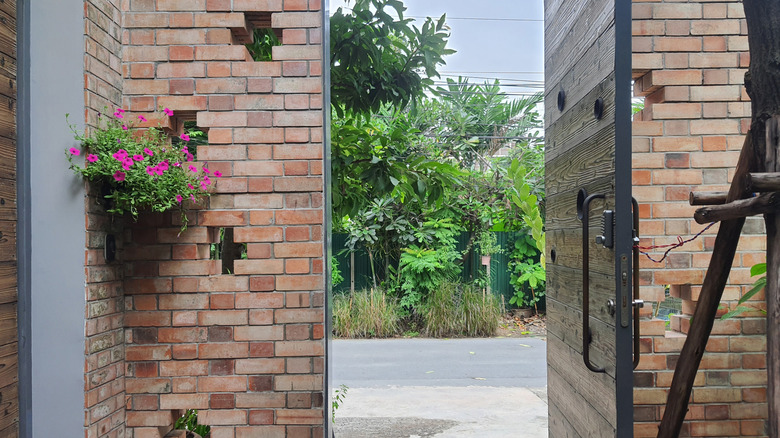
Styling Yakisugi wood may be the fun part of implementing this technique in your home, but logistics are also important to consider. As a specialty wood, obtaining Yakisugi is not as simple as other types of wood. Your first option is to purchase authentic Yakisugi wood. You can expect to pay between $10 and $15 per square foot, depending on the texture and finish you choose. The good news is that this is about the same as other wooden accent wall material costs. The bad news is that you will likely have to place an order with a special supplier rather than just running into a home improvement store. If the cost is a barrier, there are some cheaper alternatives to Yakisugi siding without the hassle, including metal materials with a Yakisugi finish, that may work in the home as well.
You may also consider creating some DIY Yakisugi decor for your home. It may sound intimidating, but people find the project manageable as a DIY as long as they have sufficient time. Starting with a smaller decor or furniture item is much easier than tackling the many boards for an accent wall. You get to decide the type of wood you want, though cedar and cypress are recommended, and how much of a char you want. There are a few different burning and sealing methods, and it is important to make sure that the one you choose is safe and that you know the mistakes to avoid when DIYing a charred wood accent wall. Whether you buy it or DIY it, when styled right, Yakisugi is a great addition to a home.