

These Varieties Of Grasses Are Like A Snake Magnet In Your Yard
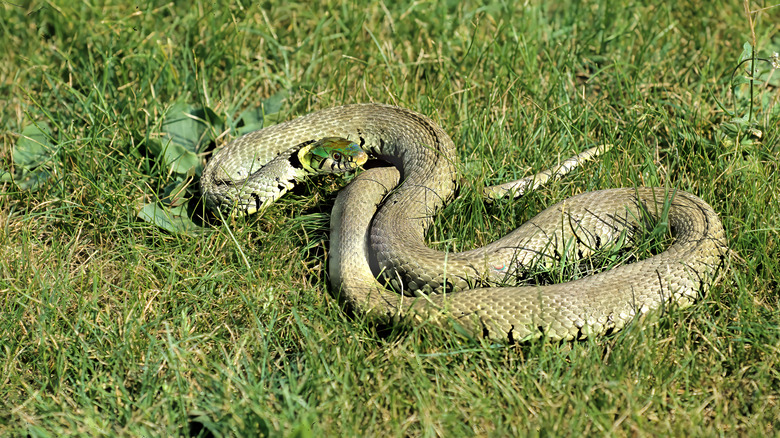
Your yard is meant to be a place of enjoyment and rest, but unfortunately, you may be unintentionally inviting a concealed, silent intruder into your space. By virtue of the grass you choose to install in your landscaping, you could be turning your yard into an ideal habitat for snakes. Snakes are drawn to environments that offer concealment and access to prey, and, depending on your grass's density and height, they might just be able to find both. Fast-growing, dense grasses provide the perfect ground cover to move through yards undetected, as well as provide food and shelter to these reptilian interlopers. So while some grasses attract snakes by scent or other sensory cues, other grasses make for a great place to live, which is enough to bring snakes there.
Popular ornamental species, as well as overgrown grasses — like pampas grass (Cortaderia selloana), maiden grass (Miscanthus sinensis), and switchgrass (Panicum virgatum), to name a few — offer the perfect environments for snakes to thrive. Whether they create spaces where snakes are undisturbed for long periods, attract insects or mice for regular feasting, or create cool, sheltered pockets for snakes to move through, some grass varieties are more susceptible to snakes. However, don't be dissuaded from growing grasses in your yard; with strategic maintenance and avoidance of invasive species, you can keep your yard snake-free.
Pampas grass
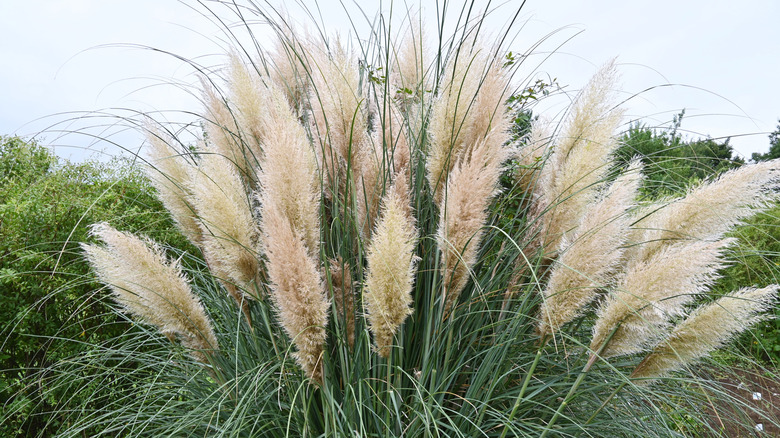
Pampas (Cortaderia selloana) is a dense, clump-forming grass that provides an ideal habitat for snakes, given its tall structure and perfectly shaded interior spaces. A notorious snake magnet, pampas are particularly attractive to snakes in warm climates, where they are drawn to cooler temperatures inside the plant's bush. Rodents also nest within pampas grass, providing a steady food source for snakes hidden within the brush. As a perfect source of shelter and food that can reach heights of almost 10 feet, pampas is an ideal snake environment for long-term stays.
Fountain grass
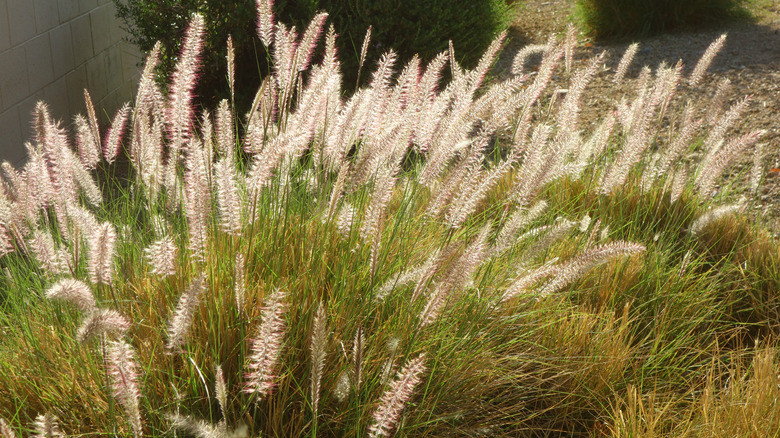
Fountain grass (Cenchurus alopecuroides) is also a clumping grass that creates tight arches near the ground, providing excellent ground-level cover for snakes. While attractive in landscape design, these dense bunches create shaded, virtually undisturbed areas where snakes can hide and remain cool, an especially appealing habitat in hot or dry regions. Also, since this grass is planted in clusters, you unintentionally create sheltered highways for snakes to move along. When left untrimmed, it's an ideal snake hovel given its maneuverability and sheltering (some varieties can even reach up to 3 feet in height when unchecked).
Quackgrass
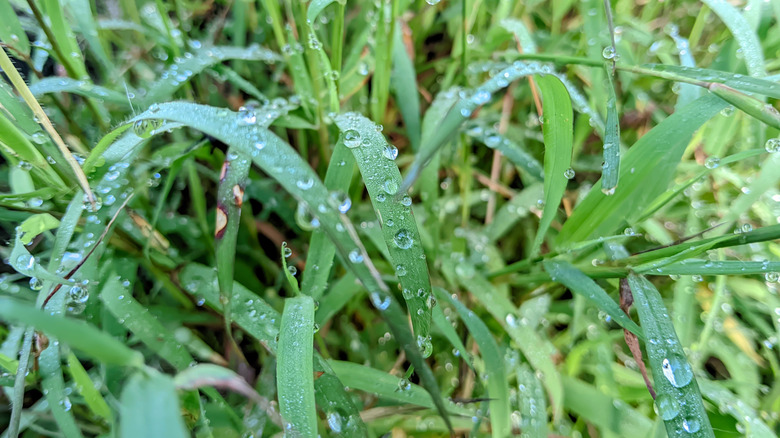
Quackgrass (Elymus repens) is a fast-growing, aggressive weed grass that you'll want to remove for its invasive nature anyway. But an added negative characteristic is its tendency to attract small birds that feed on its seeds. While the birds themselves aren't a bad thing, necessarily, it does create a natural food chain in your yard, where snakes like garter or rat snakes hunt the birds. The birds are drawn into a natural buffet, while the snakes are then drawn in for an easy meal.
Switchgrass
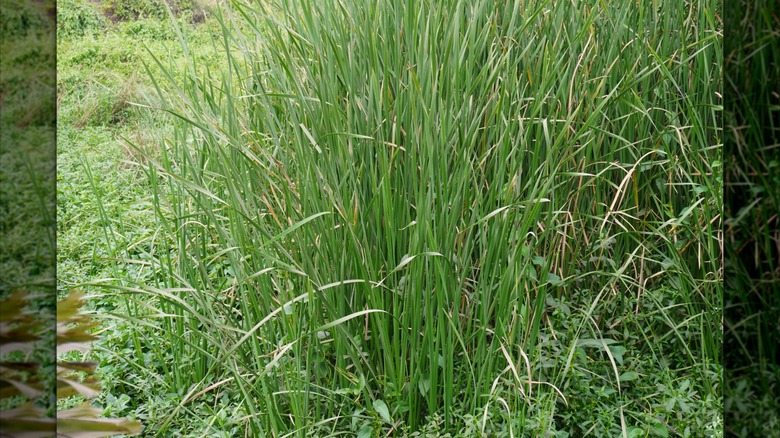
Switchgrass (Panicum virgatum) is a native grass often praised for its benefits, including its ability to prevent land erosion. It falls into that tall, dense category that attracts snakes. Reaching heights of 5 feet, when switchgrass is planted in volume, it creates thick vertical cover, great for concealing visitors. Because switchgrass is typically left standing through winter to give yards some cover and visual interest, it can provide year-round shelter for snakes, and often harbors prey like rabbits and mice — an additional draw to the plant. Without regular thinning, it becomes a landscaping design that unknowingly attracts snakes.
Johnson grass
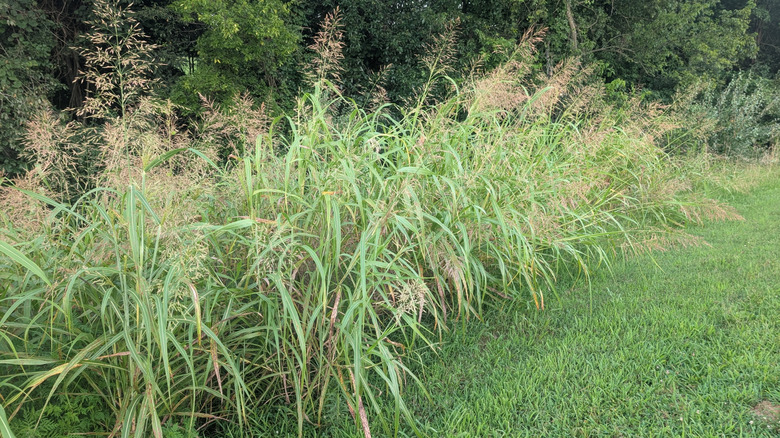
Johnson grass (Sorghum halepense) is a fast-spreading invasive grass that can quickly become overgrown and unmanageable. Identified as an "agricultural weed," its height (up to 7 feet) and density create perfect snake habitats. Rodents are also drawn to this grass, grazing on it during the warmer months, and as we know, where rodents go, snakes follow. Because Johnson grass spreads aggressively through rhizomes (underground, horizontal root runners), it often forms thick patches that are difficult to clear, so avoid this grass in your yard to prevent a losing battle against pests and their predators.
Reed Canary grass
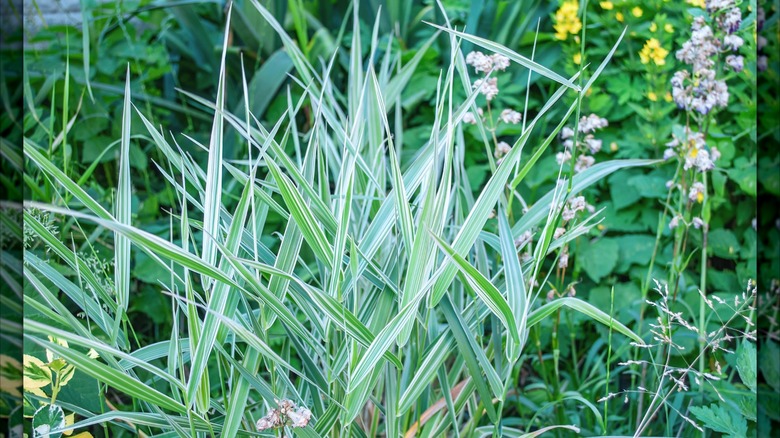
Another invasive groundcover you may want to reconsider planting, reed canary grass (Phalaris arundinacea) is a large, clumping plant that reaches heights of up to 9 feet. This grass also spreads via rhizomes and thrives in moist environments, like wetlands. This combination of water, shade, and thick ground cover can make reed canary grass appealing to both snakes and their prey. Once established, reed canary grass is aggressive, often outperforming other native plants. If its snake hazards weren't enough reason to keep this grass out of your yard, its incredibly invasive nature should be.
Maiden grass
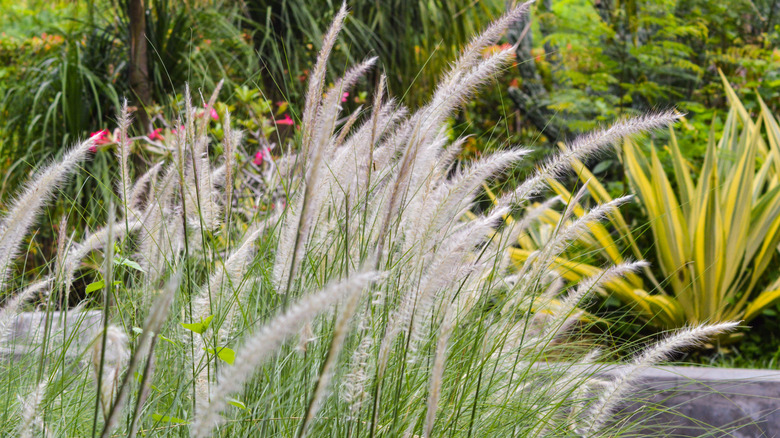
Maiden grass (Miscanthus sinensis) is a popular, large, ornamental grass that's native to Asia, but invasive in the U.S. A clumping variety, this grass can easily become the perfect snake hideout since it provides a dense base that offers the perfect combination of shade and shelter, obscuring the snake to anyone looking on. Suggested by landscapers as an effective privacy barrier grass, given its almost 7-foot height, keep in mind that planting maiden grass close to your home and areas where you hang out outside may mean inviting snakes and rodents to live closer to you and your home.
Bahiagrass
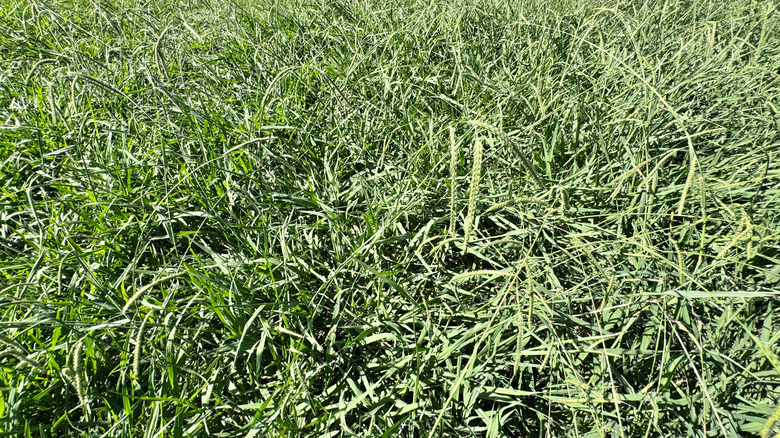
Bahiagrass (Paspalum notatum) is known for its hardiness, particularly as a drought and heat-tolerant turf that does well in warmer weather. While well-placed in certain regions, in other areas, it is considered invasive. When it grows thick and tall (up to 1 foot), it becomes great ground cover for snakes. Because it's commonly used in warmer climates, where snake populations are typically higher, unmanaged bahiagrass can amplify the risk. Regular mowing and maintenance are key, or else your yard may become a snake superhighway.
Clover
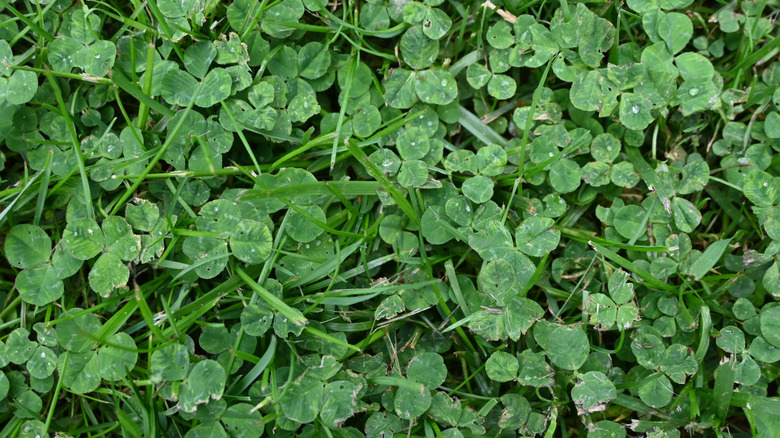
A lawn alternative gaining popularity, clovers are technically a group of legumes. And they are replacing grasses in yards (hence their inclusion on the list). While eco-friendly in many ways, clover can also attract unwanted visitors, such as rodents and rabbits, which, in turn, bring more unsavory predators, such as snakes. Some clover varieties can get as tall as 8 inches, so regular management and monitoring of this grass alternative is necessary to ensure that rabbits — and snakes — aren't hunkering down in your yard.
Ryegrass
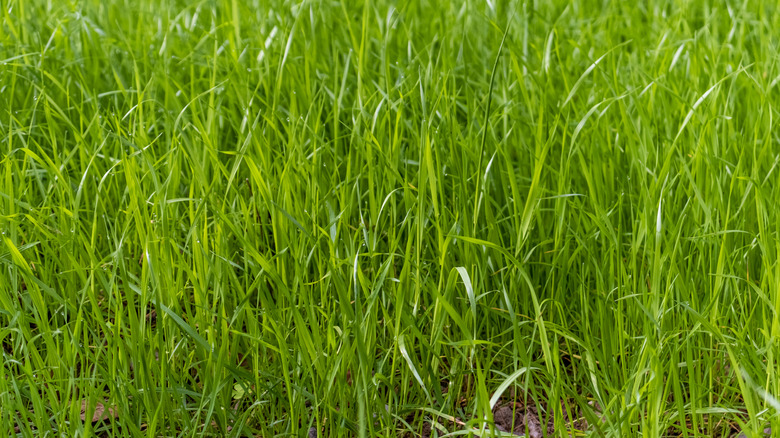
Ryegrass (Lolium perenne) is a fast-growing, tufted grass that forms thick stands and is a favorite for lawns and athletic venues. Its density makes it attractive to all manner of critters, like moles and armyworms, and snakes seek both cover and grub in this grass. When not regularly cut, it forms dense patches up to 2 feet tall that hide snakes' ground movement. Because ryegrass is often used for overseeding lawns, homeowners may underestimate how quickly it can become overgrown, so you'll have to be incredibly diligent with maintenance if you want to avoid snakes.
Cogongrass
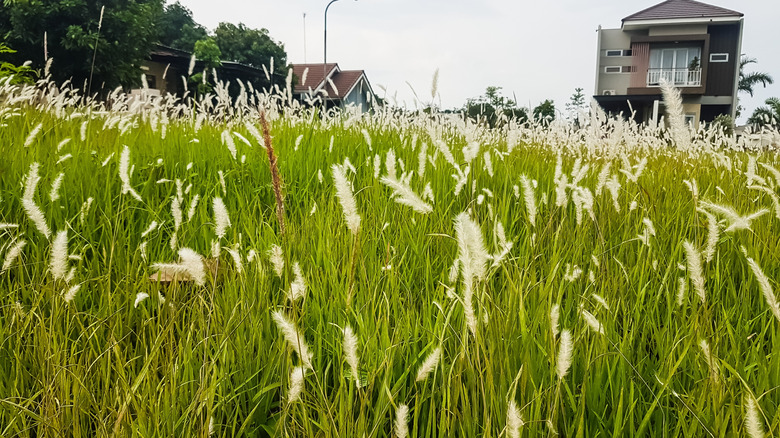
To round out invasive grasses to avoid, cogongrass (Imperata cylindrica) is both an aggressive spreader and a potential snake magnet due to its dense growth. It not only outperforms other grass varieties and native species with this density, but its thick patches also make it an ideal hunting ground. For example, cotton rats' appetites for nearby seeds seem to increase when cogongrass is present, and with more rodents roaming for seeds, snakes are more than happy to hang out and wait for a meal. Able to grow up to 4 feet in height, cogongrass is particularly difficult to remove, requiring a multi-step process.