

The Native Evergreen Plant That Supports Birds & Pollinators All Year Long
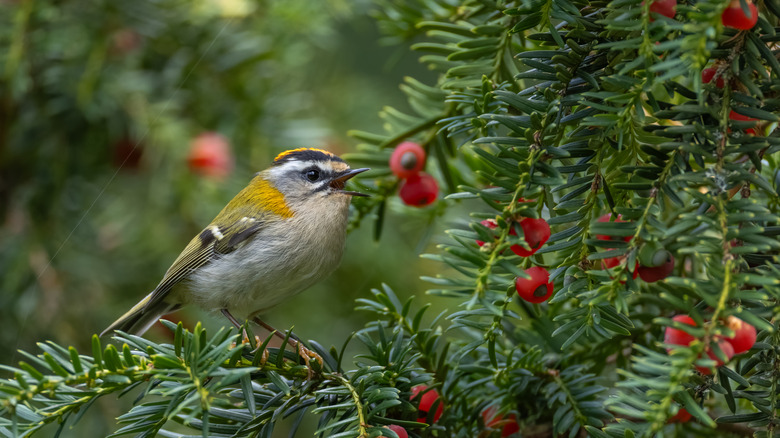
Even when the seasons turn from green grass to white snow, it's important to provide shelter and food for birds and pollinators. These little creatures can be beautiful visitors to your yard, but they also benefit the environment in invaluable ways. When it comes to plants that support birds and pollinators throughout the fall and winter, a great option is inkberry (Ilex glabra). This species, also known as Appalachian tea, is a woody shrub and a member of the holly family. Classified as an evergreen, you can count on your inkberry shrubs to provide year-round support in various ways, from flowering in the spring and summer to dropping fruit in the fall and winter.
One of the main reasons pollinators are not coming to your garden is that you don't offer the right kind of plants, including much-needed natives. Shrubs like inkberry, which is a native to North America, support the kinds of beneficial pollinators that you love to see in your yard. For example, the inkberry is the host plant of the Henry's elfin butterfly (Callophyrs henrici), and the laurel sphinx moth (Sphinx kalmiae). You can also successfully attract and feed honey bees with the nectar from its little white flowers. And when it comes to birds, many native species, including bobwhite quails, bluebirds, and wild turkeys, enjoy the berries that last into winter. Inkberry also holds a spot as a deer-resistant shrub that can help protect your garden. Since it won't be destroyed by deer, this bushy plant also makes a good hedge for yards in wooded areas where it can provide cover for wildlife.
Using inkberry year-round in the garden

To help inkberry thrive in your yard, it's best to cultivate soil with an acidic pH. And although inkberry is an evergreen and supports animal life all year, it can still be sensitive to the cold. Very harsh winter weather may damage it, so ensure protection. It is considered hardy from zones 4 through 11, so winter maintenance is mainly important for those living in the far northern parts of the U.S. It can tolerate the shade, which makes it ideal for areas near shade trees or along wooded edges of your lawn. While this species can reach heights of 10 feet, it is a slow-growing shrub, so do not expect to use it for a quick living privacy screen.
Inkberry is also a shrub that is safe to plant next to your house without ill effects, thanks to mostly shallow, rhizomatous roots that won't damage your foundation. Keep in mind, however, that the inkberry only produces fruit if your yard has both male and female plants present. If you only have one or the other, then your shrub will never grow the berries that will support birds. It's important to weigh the benefits, considering the berries contain saponins, which can cause stomach upset for people and pets if eaten in large quantities. But growing inkberry bushes in a secluded corner of the yard, perhaps in a moist, bog-like area to mimic its native habitat, can help mitigate any pets accidental ingestion of the berries and still provide a great spot for pollinators.