

Always Keep Your Potato Scraps. Here Are The Plants That Love It
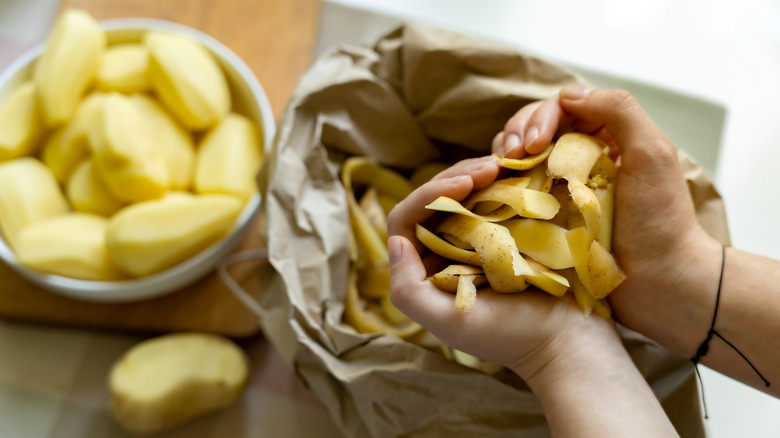
If you're looking for a simple, cheap, and sustainable way to boost the health and productivity of your garden's soil, don't toss those potato peels. Often dismissed as kitchen waste, potato skins are actually packed with nutrients like potassium, phosphorus, calcium, and magnesium that support stronger roots, abundant blooming, and a bountiful fruit and vegetable yield. When composted or converted into a liquid fertilizer, potato peels enrich soil structure, enhance water retention, and help beneficial microbes thrive, all while reducing household waste and cutting down on synthetic fertilizers. While synthetic fertilizers deliver a quick nutrient boost, they can degrade soil quality over time by disrupting microorganisms and contributing to compaction, nitrogen leaching, and loss of organic matter.
There are several easy ways to use potato peels in your garden. You can add them to your compost pile to create nutrient-dense organic matter, soak them in water to brew a potato peel fertilizer for regular watering, or dry and grind them into a slow-release soil amendment. There are also several plants that benefit from the nutrients they provide, from flowers to vegetables to herbs.
Tomatoes
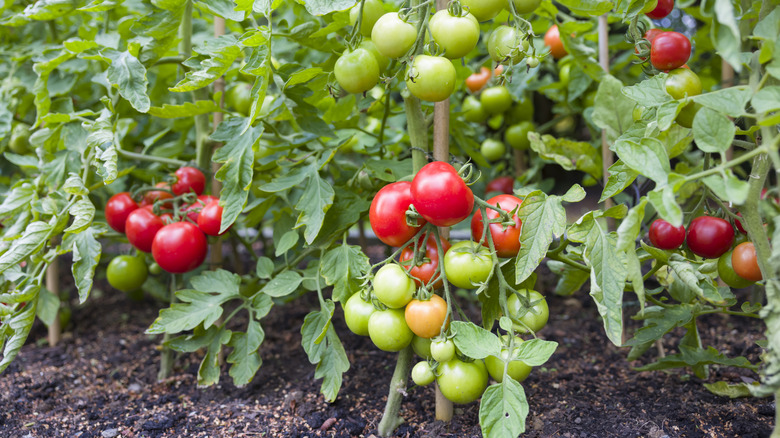
Tomatoes (Solanum lycopersicum) are heavy feeders, and fertilizing is an important part of growing the best tomatoes in your garden. They benefit greatly from the potassium and phosphorus that composted potato peels provide. Phosphorus supports vigorous growth and fruit development, while potassium plays a role in water uptake, nutrient absorption, and photosynthesis. When potato peels are composted or brewed into a diluted fertilizer tea, they release nutrients slowly, improving soil structure and microbial activity. This creates healthier roots, stronger vines, and higher yields over the growing season.
Peppers
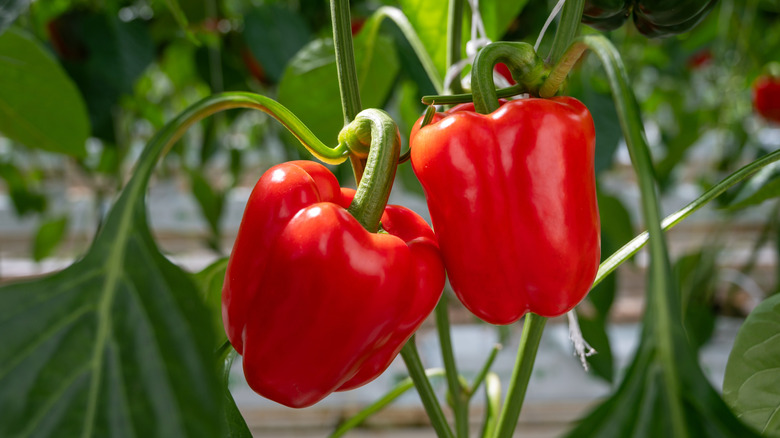
Just like tomatoes, pepper varieties (Capsicum) thrive in nutrient-rich soil, especially during flowering and fruiting stages. Potato peels contribute potassium and phosphorus, which support strong root development, flower formation, and overall plant health. When used as compost or liquid fertilizer, potato peels also provide a supply of calcium and magnesium, essential micronutrients. Applying a potato peel fertilizer between blossoming and fruit set can improve flavor, with another application midseason to maintain vigor.
Strawberries
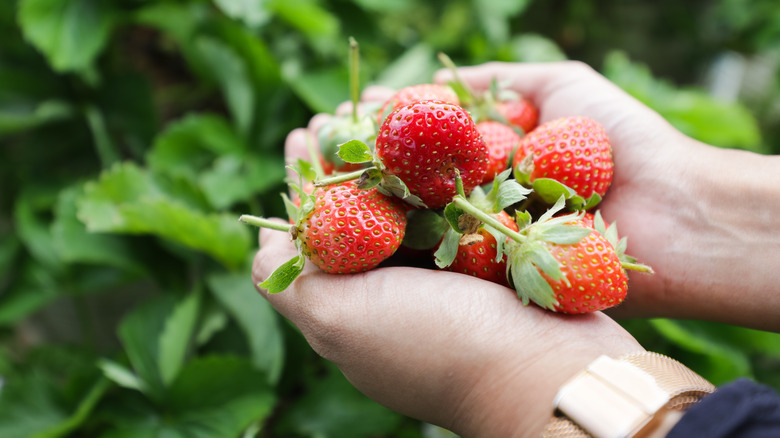
Strawberry plants (Fragaria x ananassa) benefit from the phosphorus and potassium in potato peels, which support root strength and fruit production. The best time to add composted potato peels is at planting, since phosphorus and potassium are harder to amend later. Continuing to add organic matter is essential to maintaining healthy soil for strawberry plants, and regular use of potato peel compost can help you achieve healthier foliage and more abundant berries throughout the growing season.
Basil
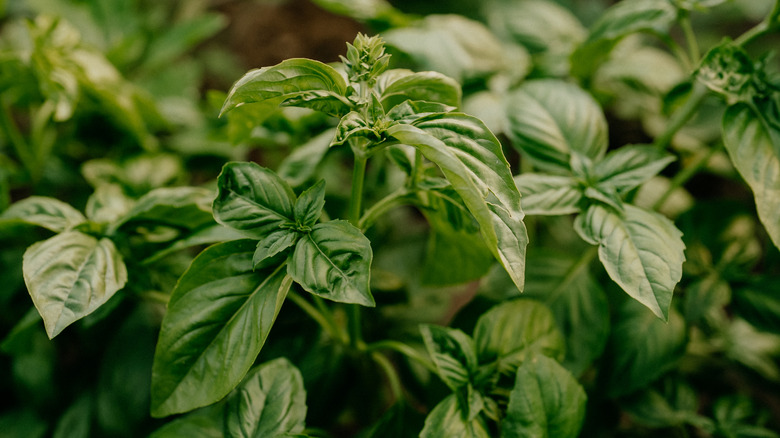
Basil (Ocimum basilicum) responds well to the gentle mineral boost provided by composted potato peels. The potassium and phosphorus help encourage lush, leafy growth, better flavor, and overall plant health. When potato peels are composted and mixed into garden soil or potting mix, they also add textural balance to the soil, which aids in water retention and drainage. Supplementing with composted potato peels is a great way to support steady growth and enhance the flavor of your crop.
Oregano
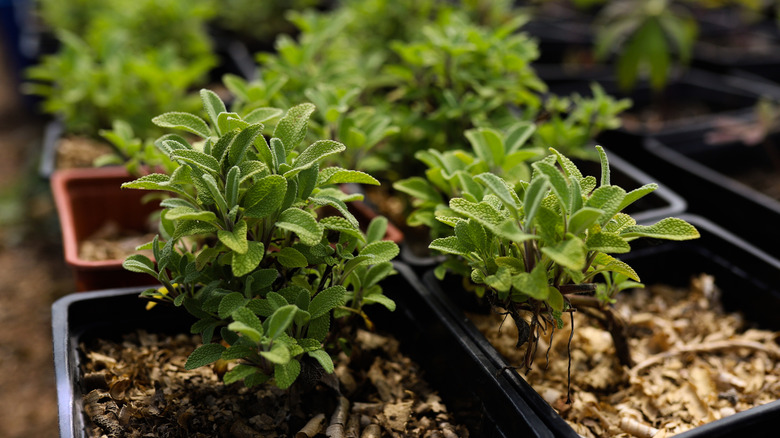
Oregano (Origanum) is a low-maintenance herb, but like basil, it still benefits from nutrient-rich soil. Potato peels provide potassium and phosphorus that support leaf production, root strength, and flowering. When added through compost, potato peels also improve water retention and soil texture. This slow, natural feeding method helps maintain consistent growth. It's advised to amend the soil at the time of planting to ensure nutrient availability.
Sunflowers
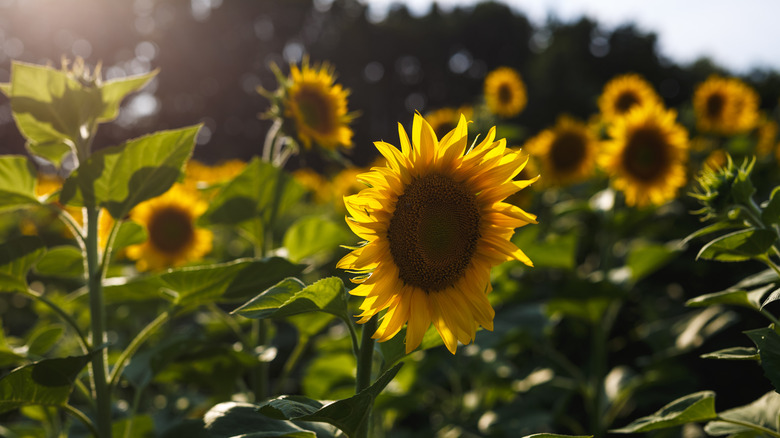
Sunflowers (Helianthus) require a consistent supply of nutrients to support their tall stems and large blooms. The potassium and phosphorus released from composted potato peels help strengthen stalks and promote healthy flower and root development. Adding organic matter improves soil texture, allowing roots to grow deeper and access water more efficiently. Using potato peels as part of compost is a sustainable way to nourish sunflowers throughout their rapid growth cycle.
Roses
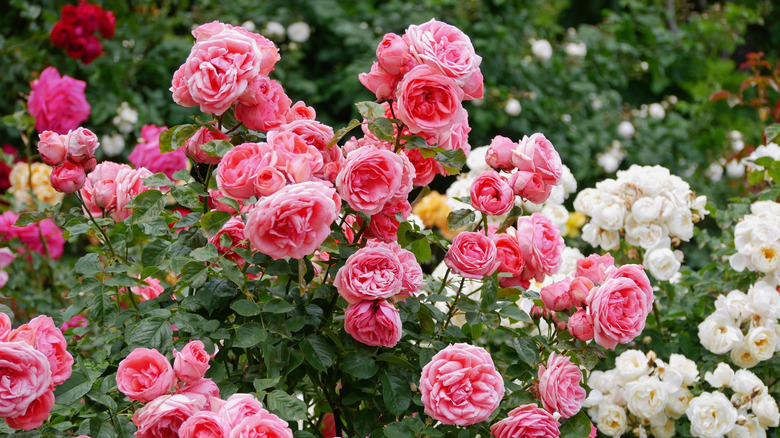
Roses (Rosa) benefit from potassium-rich soil, which supports strong stems, vibrant blooms, energy production, and improved disease resistance. Composted potato peels act as a gentle, slow-release fertilizer that nourishes rose bushes. Potato peels also improve soil texture and water retention. Over time, this can lead to healthier plants with more frequent and longer-lasting flowers. Many gardeners recommend adding slow-release fertilizer monthly from March to September.
Hydrangeas
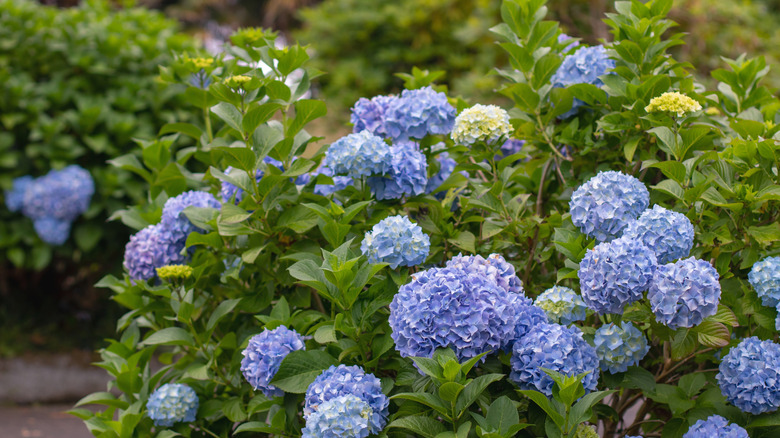
Hydrangeas (Hydrangea arborescens) appreciate nutrient-rich, moist soil, making composted potato peels a helpful amendment. The organic matter from potato peels improves soil structure while the potassium and phosphorus support strong root growth, abundant flowering, and overall plant health. Although potato peels are slightly acidic, they're unlikely to significantly affect hydrangea flower color. Used consistently in compost, they help hydrangeas thrive during active growing and flowering periods.
Cucumbers
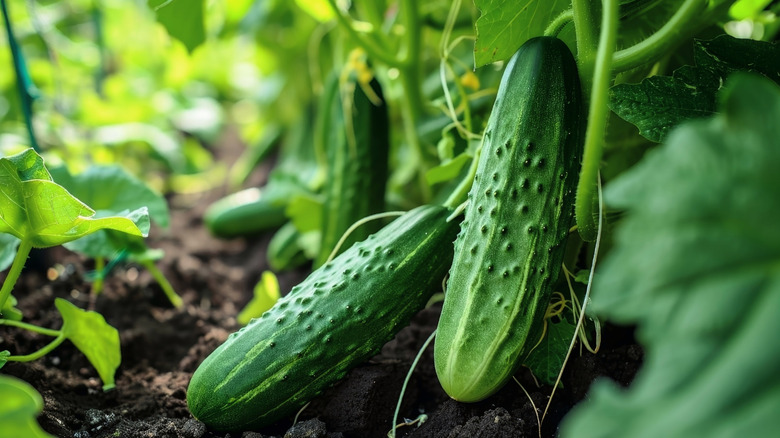
Cucumbers (Cucumis sativus) are fast-growing, heavy-feeding plants that benefit from nutrient-dense soil. They have an especially high need for potassium. Potato peels supply both potassium and phosphorus, which support vine growth, flowering, and fruit development. When composted, they also improve soil aeration and water retention, which is important for maintaining healthy roots. Using potato peel compost helps maintain steady growth and reduces stress during hot weather when cucumbers are most productive.
Spinach
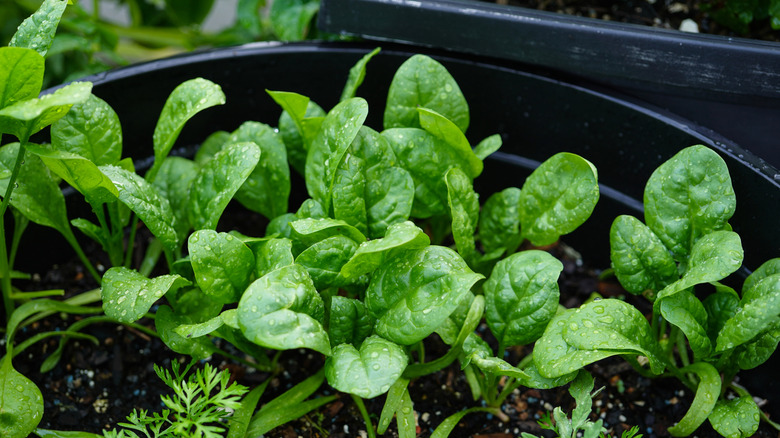
Spinach (Spinacia oleracea) requires nutrient-dense soil to support overall plant health. Along with an extra boost of nitrogen, this fast-growing leafy veggie needs the phosphorus and potassium that potato peels provide to support strong root development and disease resistance. When added to compost, potato peels help improve moisture retention and nutrient availability, leading to stronger leaf growth, better texture, and healthier spinach plants throughout the growing cycles.
Root vegetables
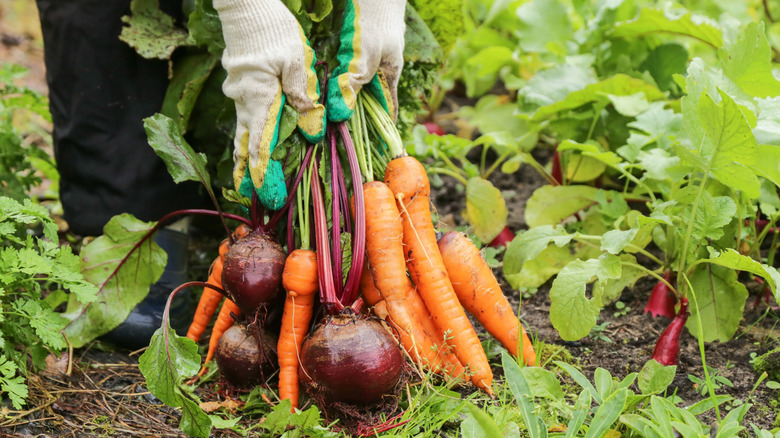
Providing organically rich soil is especially important for growing root vegetables because the crop is below ground. Root vegetables like carrots and beets rely on phosphorus and potassium to develop strong, well-formed roots. Composted potato peels add organic matter, making it easier for roots to grow straight and deep. They also release nutrients slowly, preventing excessive top growth at the expense of root development. Used properly, potato peels help support healthier yields and better-shaped root vegetables.