

9 High-Wattage Appliances You Should Never Run At The Same Time
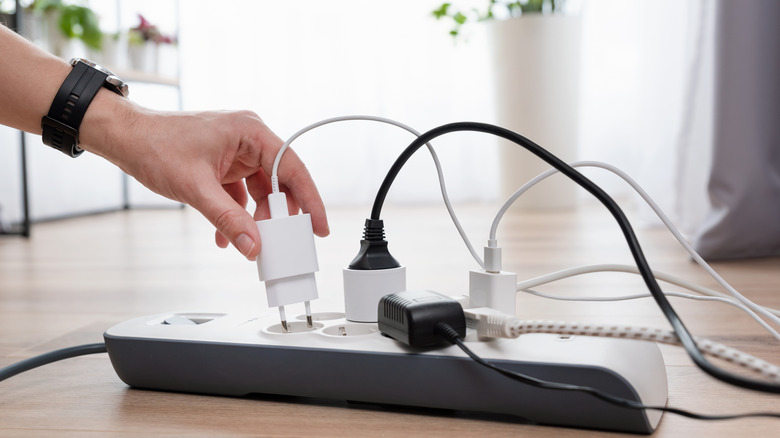
We are all guilty of it — hair dryer on, kettle boiling, food heating in the oven, all at the same time. Why? So we can save a few minutes in our busy mornings. After all, modern life moves fast and often, multitasking feels like the only way to keep up. But is running multiple heavy appliances at once safe? Space heaters, electric kettles, hair dryers, steam irons, and electric ovens are high-wattage appliances that use a lot of power. It is better to avoid running them at the same time.
Now you might be thinking you have done it many times and nothing bad has ever happened. And you might be right. But there are often warning signs of an impending disaster that go unnoticed. For example, flickering or dimming lights, buzzing sounds coming from switches, and outlet covers that feel warm to the touch. They are all signs that your electrical system is being overloaded.
Running multiple high-powered appliances simultaneously also creates another problem. It can prevent each appliance from receiving the voltage it needs to operate properly. This increases the risk of electrical issues and takes a toll on your appliances' long-term health and lifespan. It is, therefore, better to avoid running them all at the same time.
Space Heater
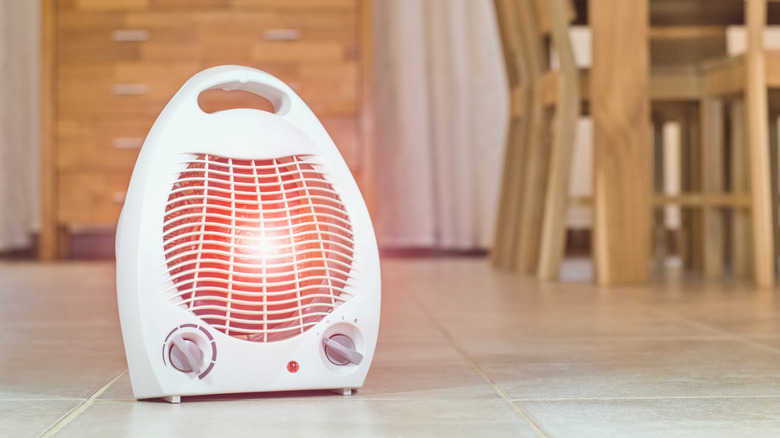
In homes without a central heating system, space heaters are often used to keep the indoors warm. Although they are typically small and portable, they use a lot of electricity. Depending on size and type, a single space heater can use anywhere from 2,000 to 5,000 watts. So, make sure that when you use a space heater, all other heavy appliances are turned off. Running it with other appliances, especially when they share the same circuit, can easily overload the electrical system and may even cause a circuit breaker to trip.
Clothes Dryer
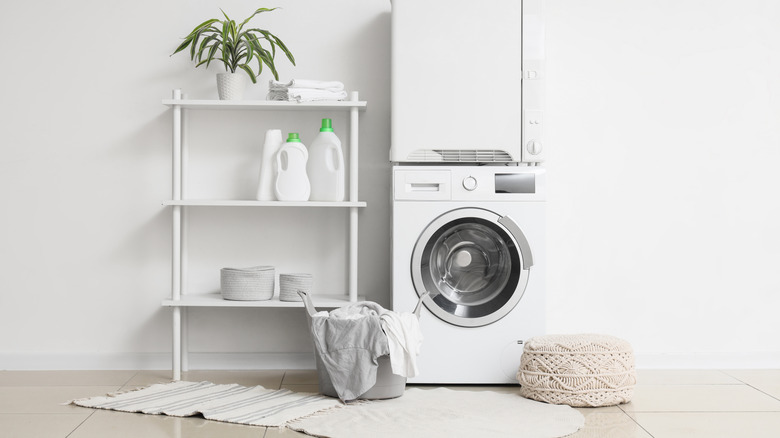
Clothes dryers are a must in modern homes, but the problem is that these appliances require a lot of power, with energy consumption rising to around 4,000 watts per load. This is so much power that it is estimated that dryers alone use more than 7 billion dollars of electricity each year in the United States. It is a clear sign of just how power-hungry these appliances really are. So, running them with other heavy appliances is definitely something you want to avoid in your home.
Electric Kettle
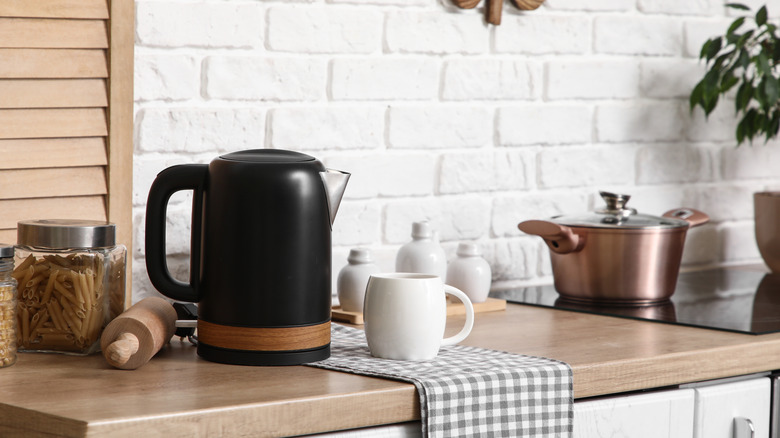
An electric kettle provides a quick and convenient way to prepare simple meals. It helps you save both time and effort. But there are a few hidden downsides to electric kettles, as well. For instance, their high energy demand can range anywhere from 1,200 to 3,000 watts. Now, that doesn't seem like much. But when you add it to other heavy kitchen appliances like a toaster, electricity consumption rises fast. So, be a little patient and try to make the toast and the tea separately.
Hair Dryer
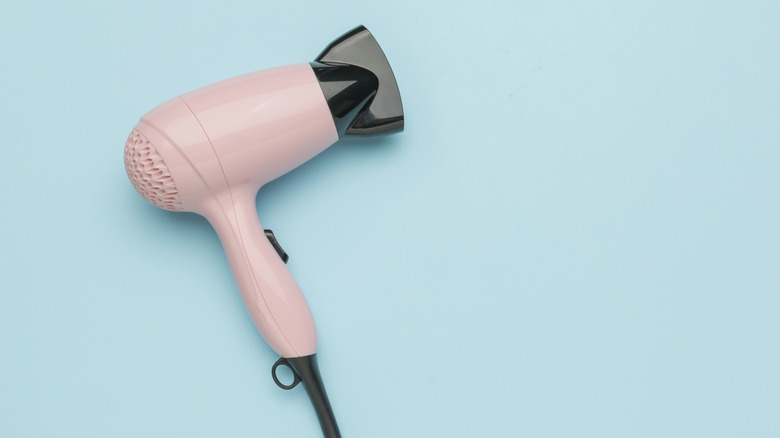
Sometimes mornings turn into a juggling act. In one room, you are blow-drying your hair, while in the other, the kettle is boiling water for tea and the toaster is toasting your breakfast. Now, this might be fine if you are running all these appliances on separate electrical circuits. But in many homes, especially older ones, they might share the same one. And with hair dryers drawing as much as 2,500 watts, the circuit can overload. It may be best to style your hair the night before or wait till after breakfast.
Steam Iron

We all want our lives to be easier, and one of the appliances in modern homes that helps us do so is a steam iron. It makes getting those stubborn wrinkles out of the clothes a breeze. But there is a catch. Compared to a regular iron, a steam iron uses almost twice the power — nearly 2,500 watts. So, if you run it while several other appliances in your home are also on, for instance, a hair dryer or a space heater, the circuit could trip due to overload.
Electric Ovens
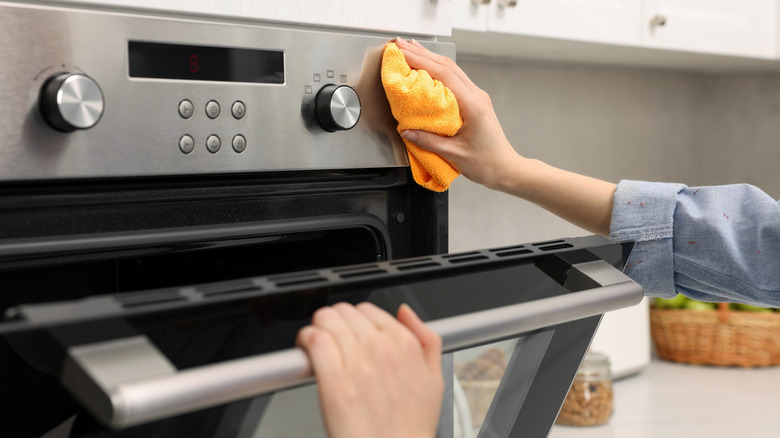
More and more people are opting for electric ovens these days. They tend to perform more consistently than gas ovens, and also, electricity is available in every home in the US, whereas many homes lack a gas connection. But once again, the problem is that electric ovens are high-wattage appliances, and they can draw up to 2,150 watts from the electrical circuit. So, make sure you use them when all other high-wattage appliances are off. If you have to run them at the same time, make sure they are not sharing an electrical outlet.
Electric Stoves
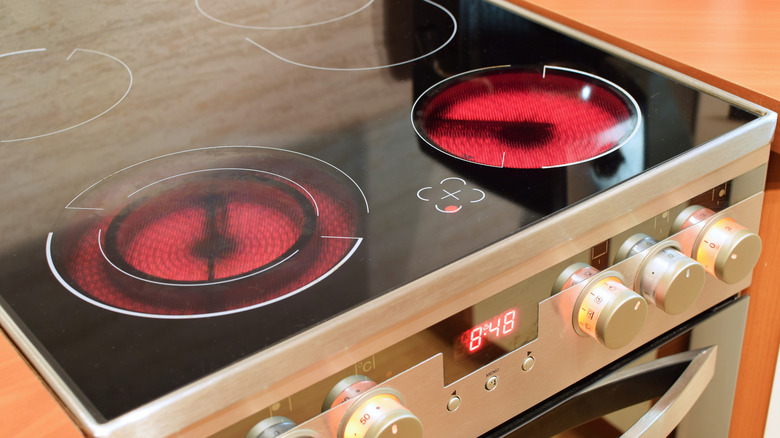
Electric stoves are another common home appliance in the US, and, like every other appliance on the list, they have a few hidden downsides. Take, for example, their high-power consumption. When operating at full capacity, an electric stove can draw about 2,000 watts. Now, this is fine if that's all you're running. But if you turn on the dishwasher with it, the load on your kitchen's circuit will almost instantly double, which might cause problems.
Over-sink water heater
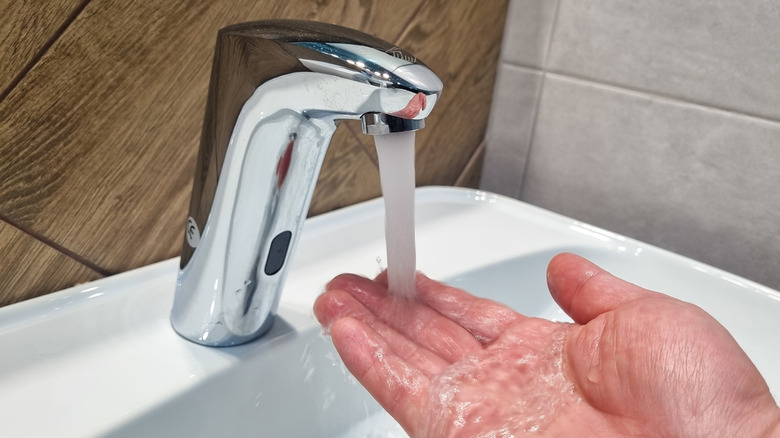
Not every home has a central water-heating system. No one really likes doing their dishes or washing their hands with cold water, though. So some people install an over-sink water heater. They are cheap, and if you are a bit handy, you can install one yourself. The problem is that they use a lot of power — nearly 3,0000 watts. So, make sure you don't run anything else high-wattage in your kitchen while using these.
Air Fryer Toaster Oven
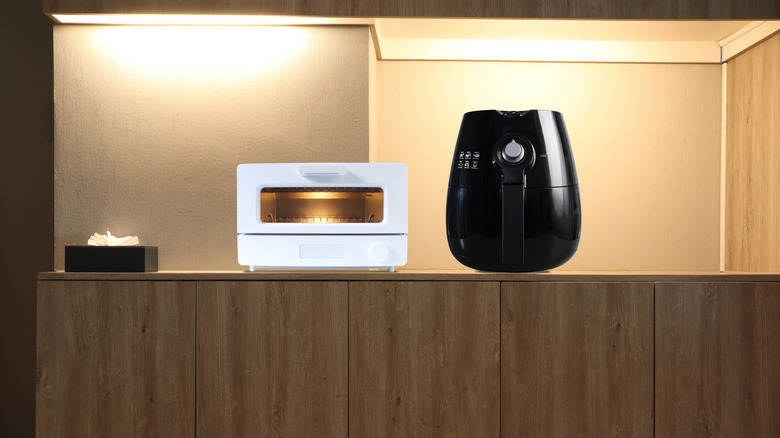
Air fryer toaster ovens are basically just toaster ovens with a fan to circulate hot air. Compared to normal air fryers, they have more space, though. They are perfect for people who want to air-fry, bake, toast, and roast all in one place. Unfortunately, the catch is that those added features demand more energy. An air fryer toaster oven needs about 1,800 watts to run. Now, this doesn't seem like much. But when you run multiple sneaky kitchen appliances at once, small loads can quickly add up and overburden your electrical system.