

The Plant Mistake That Will Waste Your Money In The Long Run
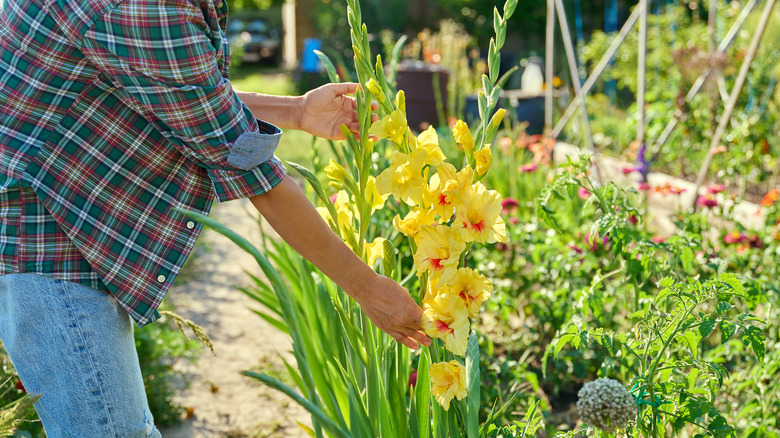
When you picture that perfect landscape arrangement, you probably envision a variety of plants of different heights, textures, and colors. However, in your quest to achieve a space full of beautiful blooms, you may inadvertently commit one of the cardinal sins of gardening — overcrowding. When flower beds or landscape borders are young and bare, jamming a bunch of plants in is a quick way to make them look more established. But this often backfires. Overplanting doesn't take into account the space most plants need to thrive and can even result in the death of your flowers or bushes. In addition, you may need to divide or remove plants down the line if the area becomes overcrowded, which just wastes your money. It's also the overlooked mistake that's making your garden bed look bad.
There are many gorgeous landscaping ideas that will liven up your yard, but when it comes to planting trees, flowers, or shrubs, time is needed so they can reach their full potential. If you crowd in too many, they can become cramped and look messy when mature. Instead, think long-term and carefully plan your landscape design to avoid buying too many plants now and having to perform unnecessary maintenance later.
What happens when you overcrowd plants
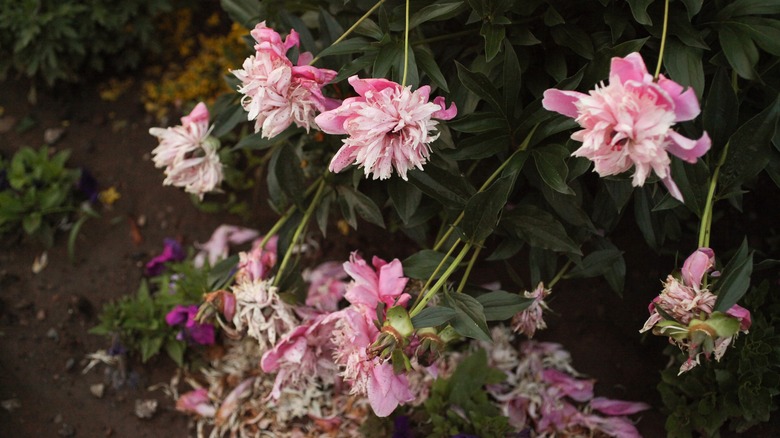
Nobody wants a garden full of weak, small plants, but that's what will happen if you overcrowd them. When placed too close together, plants compete for resources such as nutrients, water, and sunlight. This can lead to stunted growth, fewer blooms, and, in the case of vegetable plants, smaller harvests. If plants are so congested that air cannot circulate around them, they won't be able to dry out in between watering sessions, which can cause fungal problems and even root rot. Another good reason to keep some distance? Pests and disease can spread easily among packed plants.
Rather than spending a ton of money on dozens of plants that'll eventually cramp your landscape, consider treating your garden as a long-term project. Think about how you'd like it to look, then research proper plant spacing, care, and sunlight requirements. Each year, you can slowly add or subtract from your garden beds to achieve the look you're after, without the unnecessary headaches and costs associated with overplanting. If you've decided that you don't have enough space to achieve your dream landscape, use some of these tips to expand your flower bed for a bigger and better garden.